





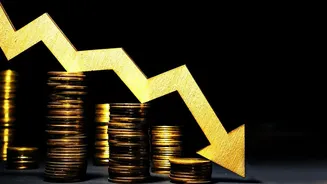
For any gold investor, a sudden price drop is unnerving. But history shows that even in the strongest, longest bull markets, sharp corrections are not just possible, but normal. Understanding this pattern is key to navigating the volatility.
The Golden Rule: A Long-Term Rise
For centuries,
gold has been seen as a reliable store of value. Since its price was allowed to float freely in 1971, its path has been overwhelmingly upward, but far from straight. A look at its modern history reveals a clear pattern: long periods of significant gains, often lasting years, that cement its reputation as a safe-haven asset. This long-term uptrend is driven by core factors, including its use as a hedge against inflation and currency devaluation. When paper money loses purchasing power, investors often turn to gold's finite supply for protection. This dynamic has played out repeatedly, from the stagflation of the 1970s to the massive government stimulus of the 2020s, each creating a new wave of demand.
Anatomy of a Bull Market Correction
Within these major uptrends, sharp and sudden drops, known as corrections, are a recurring feature. A correction is typically defined as a 10% or greater decline from a recent peak. Historical data shows gold has experienced these pullbacks frequently. For example, during the massive 1970s bull market, when gold rose over 2,300%, there were several corrections, with one mid-cycle drop reaching a staggering 45% before the price resumed its climb to a new record in 1980. Similarly, the bull market from 2001 to 2011 featured multiple pullbacks ranging from 15% to over 30% before gold hit its then-record high above $1,900 an ounce. These episodes demonstrate that even the strongest markets need to pause and consolidate.
What Triggers the Sudden Plunge?
These drops aren't random; they are typically triggered by shifts in macroeconomic conditions and investor sentiment. A primary driver is interest rate policy, especially from the U.S. Federal Reserve. Since gold pays no interest, higher rates increase the 'opportunity cost' of holding it, making interest-bearing assets like bonds more attractive. A strengthening U.S. dollar can also weigh on gold, as it makes the metal more expensive for buyers using other currencies. In the early stages of a financial crisis, investors might even sell gold to raise cash, causing a temporary dip before its safe-haven qualities take over. Finally, after a period of rapid gains, simple profit-taking by traders can trigger a pullback as they lock in their gains.
The Indian Investor's Perspective
For investors in India, these global trends are compounded by local factors. The exchange rate between the rupee and the U.S. dollar is a major influence; a weaker rupee can make gold more expensive locally, even if international prices are stable. Furthermore, India's immense cultural and seasonal demand for gold, especially during wedding and festive seasons, creates a unique market dynamic. This high local demand can provide a floor for prices during global corrections. However, Indian investors are still exposed to the same global volatility. Understanding that a 10-15% drop is a common feature of gold's market cycle can help manage expectations and avoid panic-selling during periods of global market stress.