



Know What to Look For: October's Celestial Highlights
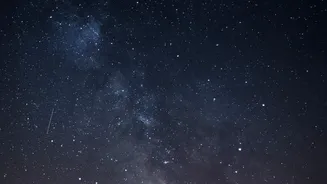
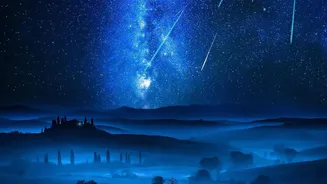
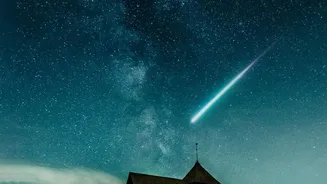
October 2026 is buzzing with celestial activity. First up is the Draconid meteor shower, which peaks on the night of October 8-9. This shower is best viewed in the evening, right after nightfall, which is great news for those who don't want to stay up late.
While it's typically a modest shower with about 5-10 meteors per hour, the nearly moonless sky provides excellent viewing conditions this year. The Draconids are known for occasional surprise outbursts, so it's worth a look. Later in the month, look for the Orionid meteor shower, which peaks on the night of October 21-22. Produced by debris from Halley's Comet, this shower can offer up to 20 meteors per hour. A bright moon will interfere in the evening, so your best bet is to watch in the pre-dawn hours after the moon has set. Beyond meteors, Saturn is a major highlight. On October 4, it reaches opposition, meaning it will be visible for most of the night and at its brightest for the year.
Choose Your Stargazing App
You don't need to be an expert to navigate the night sky. A good smartphone app acts as a portable planetarium. Apps like SkyView, Star Walk 2, and the open-source Sky Map use your phone’s sensors to identify stars, planets, and constellations in real-time when you point it at the sky. Many offer augmented reality (AR) features that overlay information directly onto your camera's view. For Indian users, the Bhagol: Indian Sky Map app is another great option that works offline. These apps can help you locate the radiant points of meteor showers—the constellation Draco for the Draconids and Orion for the Orionids—so you know which direction to focus your attention.
Prepare Your Balcony Viewing Station
The biggest challenge for city stargazing is light pollution. To create the best possible viewing environment on your balcony, turn off all your own lights, including any decorative string lights or lamps. If possible, choose a spot on your balcony that is shielded from direct streetlights or security lights from neighbouring buildings. Hanging dark curtains or sheets can help block out some ambient light and create a darker viewing pocket. Comfort is key for a patient session of stargazing. Set up a comfortable reclining chair or spread out a thick blanket. Keep a flask of hot tea or coffee nearby to stay warm as the night air cools.
Gather Simple but Effective Gear
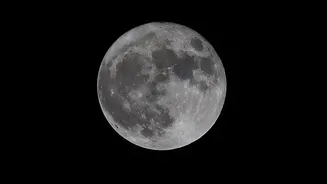
While a telescope is a fantastic tool, it's not a necessity for enjoying meteor showers or spotting bright planets. In fact, your eyes are often the best tool for scanning wide areas of the sky for the fleeting streaks of meteors. To get a closer look at Saturn or the Moon, a simple pair of binoculars can work wonders. Binoculars are easy to use and their wide field of view makes it simpler to locate objects in a light-polluted sky. If you have binoculars, especially those with larger lenses (50mm or more), they will help gather more light and make celestial objects appear brighter and more detailed. Dress in warm layers, as even on a clear night, you can get chilly while sitting still.
Master the Art of Seeing in the Dark
Once you're settled, the most important step is to let your eyes adapt to the darkness. It can take 20-30 minutes for your pupils to fully dilate and for you to start seeing fainter stars. During this time, avoid looking at your bright phone screen. If you need to use your stargazing app, switch it to its 'night mode,' which uses red light to preserve your night vision. When watching for meteors, don't just stare at the radiant point. Instead, look at a patch of sky about 45 degrees away from it; the meteors will appear to have longer, more dramatic streaks from this perspective. Relax your eyes and use your peripheral vision, which is more sensitive to faint light and motion.