







Your Spine: The Unsung Hero of Health
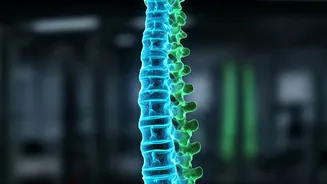
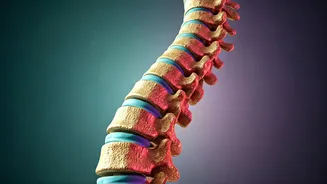
Think of your spine as the central pillar of your body. It's more than just a stack of bones; it's a superhighway for your nervous system, protecting the spinal cord that sends messages from your brain to every part of your body. A healthy, flexible spine allows
these signals to travel without interference, supporting everything from organ function to muscle control. When the spine is stiff, compressed, or misaligned, it can lead to a cascade of issues: chronic pain, poor posture, reduced mobility, and even nerve-related problems. As we age, maintaining the health of this central structure becomes paramount. It's the foundation for staying mobile, independent, and pain-free for decades to come.
The Double-Edged Sword of Heavy Lifting
Let's be clear: lifting weights is not inherently bad. It’s fantastic for building muscle mass to fight age-related sarcopenia, increasing bone density to ward off osteoporosis, and boosting metabolism. Heavy barbells are a powerful tool in this arsenal. However, an exclusive focus on lifting the absolute maximum weight can come with significant long-term costs, especially for the spine. Heavy compound lifts like squats and deadlifts place immense compressive force on the vertebral discs. Over time, or with imperfect form, this can accelerate wear and tear, leading to herniated discs, chronic lower back pain, and spinal stenosis. The quest for a new personal record can sometimes overshadow the body’s subtle signals of distress, turning a health-promoting activity into a source of chronic injury.
The Compelling Case for Mobility
This is where spinal flexibility and mobility enter the picture. Flexibility refers to the ability of your muscles to lengthen, while mobility is the ability of your joints to move actively through their full range of motion. A mobile spine isn't just about being able to touch your toes. It means you can twist to grab something from the back seat of your car without pulling a muscle. It means you can get up from the floor with ease, play with your grandchildren without stiffness, and maintain an upright, confident posture well into your later years. Practices like yoga, Pilates, and targeted mobility drills train the spine to move in all the ways it was designed to—flexing, extending, and rotating. This reduces stiffness, improves blood flow to the spinal discs, and lowers the risk of injury during both exercise and everyday life.
Redefining Strength for Longevity
The conversation shouldn't be 'strength versus flexibility'. It should be about redefining strength itself. True, lasting strength isn't just about the maximum force you can exert in one single lift. It's about having the capacity to move your own bodyweight, and external loads, safely and efficiently through a full range of motion. This is called functional fitness. Instead of seeing mobility work as something you do for five minutes *if* you have time, consider it a foundational part of your training. A strong-but-stiff body is a brittle body, prone to snapping. A strong-and-supple body is resilient, adaptable, and built to last. The goal is to build strength on a foundation of excellent movement, not to build strength at the expense of it.
Practical Swaps for a Healthier Spine
Integrating this philosophy into your routine doesn't require abandoning weights. It just requires a shift in focus. Consider swapping the occasional heavy barbell back squat for a goblet squat, which encourages a more upright torso and is gentler on the lower back. Instead of pushing for a new one-rep max on the deadlift every week, incorporate kettlebell swings, which build explosive power and hamstring strength with less spinal load. Dedicate at least two sessions a week to mobility-focused practices. This could be a 20-minute yoga flow from YouTube, a Pilates class, or simply a series of spinal rotations, cat-cow stretches, and thoracic spine openers before and after your main workout. Think of it as investing in your body’s long-term structural integrity.