





A Return to Green Roots
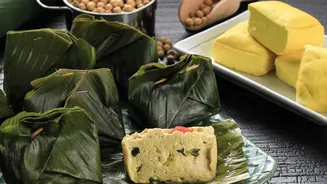
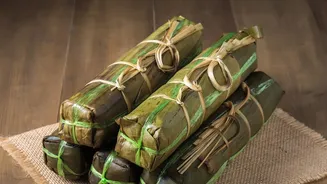
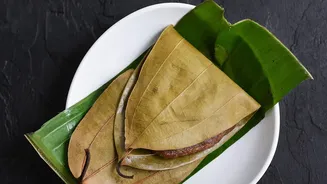
For generations, especially in South India, banana leaves have been the traditional choice for serving food at feasts, festivals, and weddings. This practice is rooted in a culture of sustainability and respect for nature. The banana plant is considered
sacred, a symbol of prosperity and fertility, and using its leaves is believed to purify the meal. Today’s young hosts are rediscovering this heritage, not just for its cultural significance, but as a conscious environmental statement. In a world grappling with plastic pollution, turning to a fully biodegradable, 'use-and-throw' plate that nourishes the soil is a powerful choice. This shift represents more than nostalgia; it's an embrace of ancestral wisdom as a practical solution for modern problems.
The Sustainability Quotient
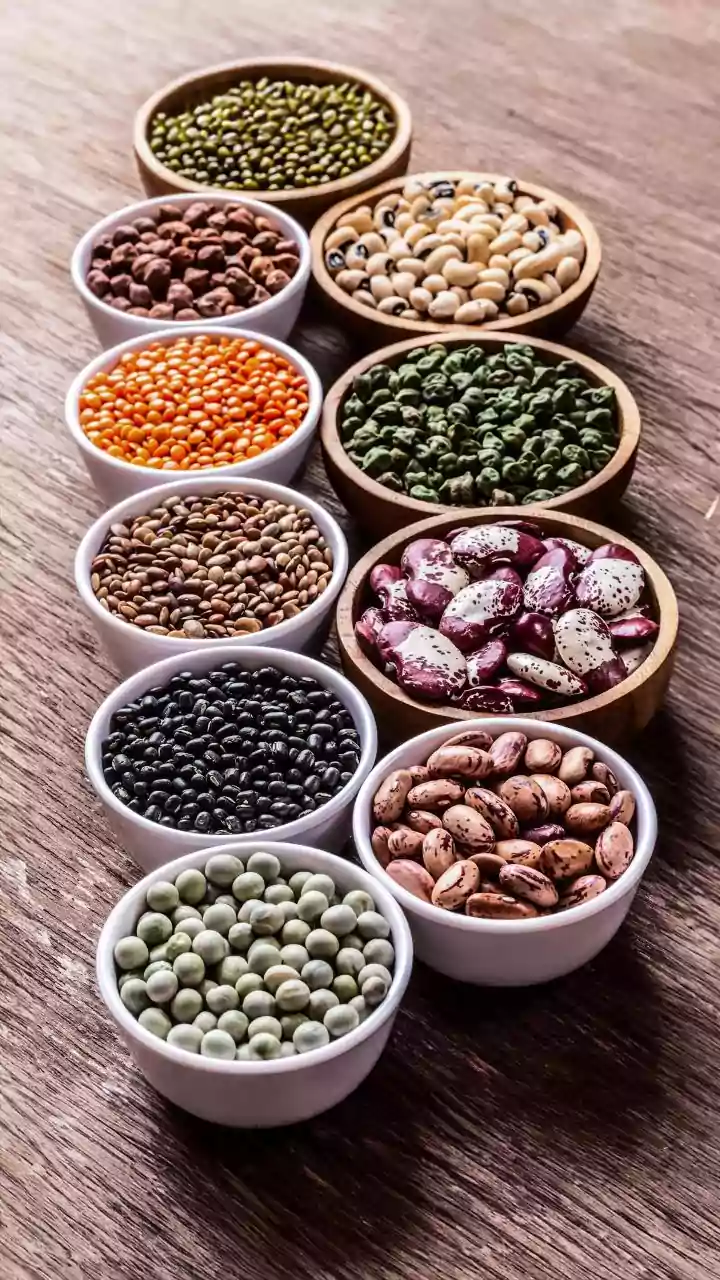
The environmental benefits of this trend are significant. Unlike plastic or styrofoam plates that litter landfills for centuries, banana leaves decompose quickly, returning to the earth. This simple swap drastically cuts down on waste, particularly during large festive gatherings. The eco-friendly mindset extends to the menu itself. There is a growing movement among young chefs and home cooks to prioritize hyper-local and seasonal produce. Choosing vegetables and fruits from nearby farms reduces the carbon footprint associated with transportation and cold storage. This farm-to-table approach not only supports local farmers but also ensures that the food is fresh, flavourful, and aligned with the region's natural harvest cycles.
More Than Just a Plate
The appeal of the banana leaf goes beyond its eco-credentials. When hot food is served on the leaf, its natural waxy coating melts slightly, releasing a subtle, earthy aroma that enhances the flavour of the dishes. The leaves are also packed with natural antioxidants called polyphenols, similar to those found in green tea. A small amount of these beneficial compounds can be absorbed by the hot food, adding a minor nutritional boost. Furthermore, banana leaves are inherently hygienic due to their natural antibacterial properties. They are large, flexible, and waterproof, making them a practical canvas for serving a multi-course meal with various curries and accompaniments without the need for multiple bowls.
Crafting the Modern-Traditional Menu
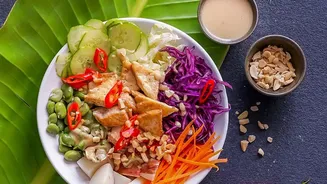
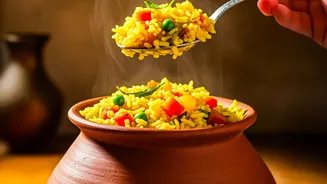
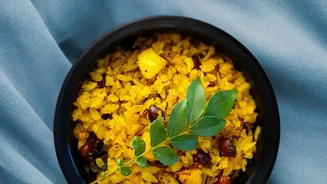
This revival isn't about rigidly recreating the past, but about creative fusion. Young hosts are championing regional cuisines from Kerala, Goa, and Nagaland, which are often plant-based and feature unique spices. They are exploring forgotten recipes and local ingredients, giving them a contemporary twist in presentation. A festive menu might feature a comforting soup made with seasonal winter vegetables like carrots and spinach, or refreshing summer salads with watermelon and mint. The focus is on authenticity of flavour, celebrating India's vast culinary diversity beyond the standard restaurant fare. This thoughtful curation results in a dining experience that is both a nod to tradition and a reflection of a modern, globally aware Indian identity.