






The Bricks and Mortar of Your Skin
Before we dive into why they’re a hero ingredient, let’s get one thing straight: what exactly are ceramides? In simple terms, ceramides are lipids (fats) that are found naturally in high concentrations in the uppermost layers of our skin. They make up over
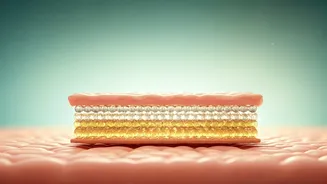
50% of the skin's composition. A popular and effective way to visualise their role is the 'bricks and mortar' analogy. If you think of your skin cells as 'bricks', ceramides are the 'mortar' that holds them together. This structure isn't just for show; it’s essential for creating a protective layer that keeps your skin healthy, hydrated, and resilient.
Your Skin’s Protective Barrier
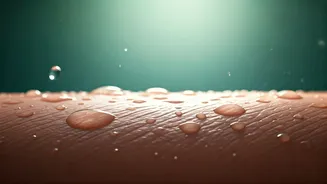
The primary job of ceramides is to form a robust barrier on the skin's surface. This barrier, often called the skin barrier or moisture barrier, does two critical jobs. First, it locks moisture into your skin, preventing water loss that leads to dryness and dehydration. This is what gives skin its plump, smooth, and supple appearance. Second, it acts as a shield, protecting your skin from environmental aggressors like pollution, UV radiation, and other irritants. A strong, ceramide-rich barrier means your skin is less susceptible to redness, sensitivity, and damage from the outside world.
Why We Lose Ceramides
If our bodies produce ceramides naturally, why do we need to apply them in creams and lotions? Unfortunately, our natural ceramide levels don't stay constant. They deplete over time due to ageing, with studies showing a significant drop as we get older. Environmental factors also play a huge role. Exposure to sun, harsh weather, and low humidity can break down ceramides. Even our own habits, like using hot water or harsh, stripping cleansers, can compromise our skin barrier by washing away these vital lipids. When ceramide levels drop, the 'mortar' in our skin barrier weakens, leading to cracks that allow moisture to escape and irritants to get in. This manifests as dryness, flakiness, itching, and increased sensitivity. Conditions like eczema are often linked to low ceramide levels.
Putting Ceramides Back in a Bottle
This is where skincare science comes to the rescue. Decades of research have shown that topically applied ceramides can help replenish your skin’s natural supply and repair a damaged barrier. When formulated correctly, ceramide-infused products can mimic the skin's natural lipid structure, effectively filling in the gaps in your compromised barrier. This helps to restore hydration, calm irritation, and improve the overall texture and feel of the skin. Unlike trendy ingredients that offer temporary glows, the effects of ceramides are foundational. They don't just mask a problem; they help fix the underlying structure, leading to long-term skin health.
Who Should Use Ceramides?
The short answer is: almost everyone. Because ceramides are 'skin-identical' — meaning they are a natural part of your skin's structure — they are incredibly well-tolerated by all skin types. * **For Dry or Dehydrated Skin:** They are a non-negotiable for restoring moisture and preventing flakiness. * **For Sensitive or Irritated Skin:** They are a godsend for calming redness and strengthening a weak barrier that overreacts to stimuli. * **For Mature Skin:** They help restore the youthful plumpness and resilience that diminishes with age. * **For Oily or Acne-Prone Skin:** It's a myth that oily skin doesn't need moisture. A damaged barrier can actually trigger more oil production. Ceramides provide lightweight hydration without clogging pores, helping to balance the skin.
How to Find Them in Your Products
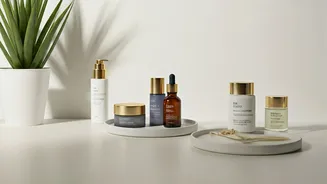
You can find ceramides in everything from cleansers and serums to, most commonly, moisturisers. When you’re scanning an ingredient list, look for the word 'Ceramide' followed by letters (like Ceramide NP, AP, or EOP) or related ingredients like 'phytosphingosine' and 'sphingosine', which are ceramide precursors. For best results, look for products that pair ceramides with other barrier-supporting ingredients like hyaluronic acid, glycerin, and cholesterol. These ingredients work in synergy to provide comprehensive hydration and repair.