



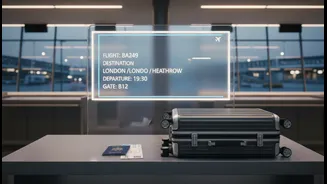



Baggage Allowances Can Change
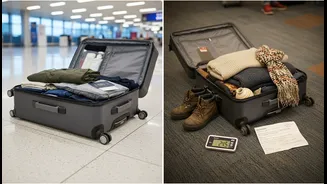
One of the most common shocks for returning travellers is a different baggage allowance. You might have been allowed two 23kg bags on your way out, only to find you’re restricted to just one on the way back. This often happens on tickets involving codeshare
partners, where your return leg is operated by a different airline with its own distinct policies. Even with the same airline, the fare class for your return segment might be different, bumping you into a more restrictive baggage category. Furthermore, some routes have specific allowances dictated by agreements between countries, which might not apply in the other direction. The rule of thumb is to never assume consistency; always check the specific allowance for each leg of your journey in your booking confirmation.
Customs: What You Bring Home Matters
The rules for what you can take out of a country are rarely the same as what you can bring back into India. Every Indian resident returning from most international destinations has a duty-free allowance, which was recently increased to ₹75,000 as of early 2026. This is the total value of new goods you can bring in without paying customs duty. Items you took from India, like your personal laptop and clothes, don't count. However, that new watch, designer handbag, and all the gifts you purchased abroad do. For female travellers, there's an additional allowance for gold jewellery up to 40 grams, while for male travellers it's 20 grams. Exceeding these limits without declaring them at the red channel can lead to hefty fines, so it’s crucial to know the rules before you shop.
Airport Security Is Not Universal
The security screening you experienced on your outbound flight is not a global standard. While the 100ml liquid rule is widespread, its enforcement and exceptions vary. For example, thanks to new 3D scanning technology, some airports in the UK and Europe now allow passengers to carry liquids in containers up to two litres. However, if your return flight is from an airport without these scanners, the old 100ml rule will still apply. Similarly, rules about removing electronics, shoes, and even the size of scissors allowed in your carry-on can differ from one country to another. Always check the specific security regulations for your departure airport to avoid having to discard items at the checkpoint.
The Fine Print in Your Fare
The ticket you hold is a contract, and sometimes the terms for the outbound and return journeys are not identical. This is especially true for mixed-fare bookings, where you might have a flexible outbound ticket but a more restrictive, non-refundable return fare. This means that while you could have easily changed your initial flight, your return leg might have significant fees or be unchangeable altogether. It's also a near-universal rule that if you miss your outbound flight (a "no-show"), the airline will automatically cancel your return segment without a refund. This is why it’s so important to treat your round-trip ticket as a single itinerary with rules that apply to each part of the journey.