



The Persistent Problem of Potholes
For most Indians, navigating roads dotted with potholes is a daily reality. These craters are more than just an annoyance; they cause vehicle damage, lead to traffic snarls, and pose serious safety risks to drivers and two-wheeler riders. The cycle of
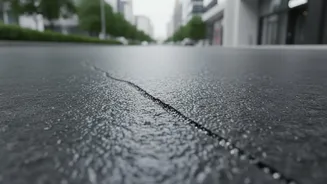
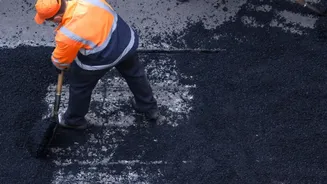
road damage and repair is a costly and seemingly endless one for civic authorities. Traditional repair methods involve patching, which is often a temporary fix. Heavy traffic and weather extremes, particularly monsoon rains, mean that new cracks and potholes appear almost as quickly as old ones are filled. This constant maintenance drains public funds and causes perpetual disruption, highlighting the urgent need for a more durable and sustainable solution.
Enter 'Living' Concrete Technology
The solution might sound like something from science fiction: concrete that can heal itself. Known as self-healing concrete or bio-concrete, this innovative material has tiny, living agents embedded within it. The concept mimics natural biological processes, like how a cut on your skin heals over time. Instead of human cells, this concrete uses specific types of bacteria to act as microscopic construction workers. Researchers, including teams at various Indian Institutes of Technology, have been developing and refining this technology. The goal is to move away from a reactive model of repair to a proactive one where the road material itself maintains its structural integrity.
How Bacteria Become Micro-Masons
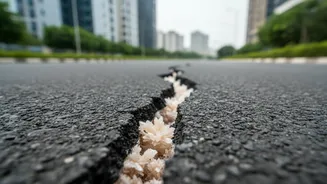
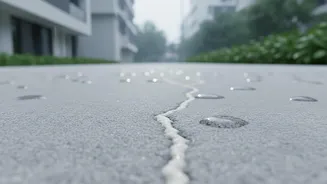
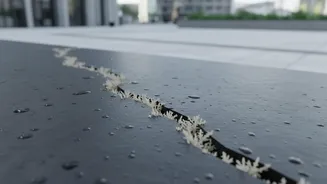
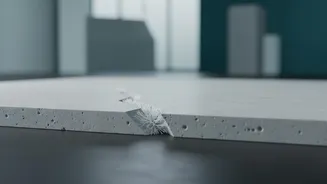
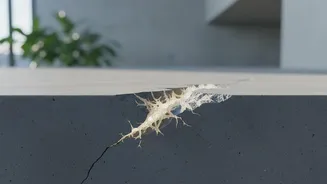
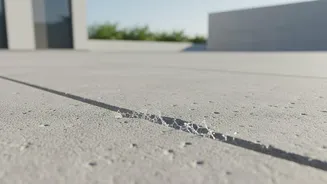
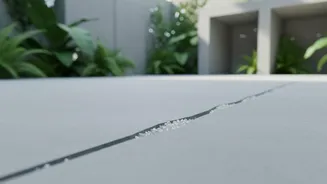
The magic behind self-healing concrete lies in a specific type of bacteria, usually from the Bacillus genus. These hardy microorganisms are chosen because they can produce resilient spores that can lie dormant within the harsh, alkaline environment of concrete for decades. They are mixed into the concrete along with tiny capsules containing a food source, typically calcium lactate. When a crack forms in the road, water seeps in. This is the trigger. The water dissolves the capsules, waking up the dormant bacteria. As the bacteria consume the calcium lactate, they precipitate calcium carbonate, also known as limestone. This limestone deposit expands and hardens, effectively sealing the crack from the inside out and preventing further damage.
The Potential Advantages
The benefits of successfully implementing this technology are enormous. The most obvious is the creation of longer-lasting roads, bridges, and buildings. This would drastically reduce the annual expenditure on maintenance and repairs, freeing up funds for other public projects. By sealing cracks as they form, the technology also protects the steel reinforcements within concrete structures from corrosion, a major cause of structural failure. There are also significant environmental advantages. The production of cement is a major contributor to global carbon emissions. By extending the lifespan of concrete structures and reducing the need for new construction and frequent repairs, bio-concrete could help lower the construction industry's carbon footprint.
Hurdles on the Road Ahead
Despite its incredible potential, self-healing concrete is not yet ready for a nationwide rollout. The primary challenge is cost. The initial production cost of bio-concrete is estimated to be significantly higher than that of traditional concrete, potentially 30-50% more. Researchers are actively working on ways to bring this cost down, for instance by finding cheaper nutrient sources for the bacteria. Another challenge is ensuring the technology's effectiveness in diverse real-world conditions. The healing process relies on the presence of water to activate the bacteria, which might limit its efficiency in certain climates or for cracks that are not exposed to moisture. Furthermore, standardising production methods and updating building codes to incorporate these new materials are necessary steps before widespread adoption can occur.