




First, What Are They?
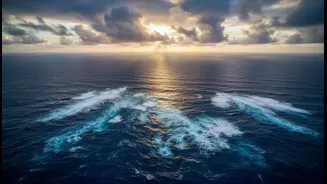
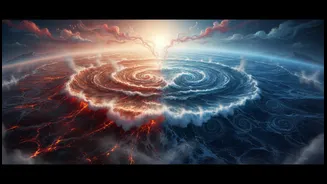
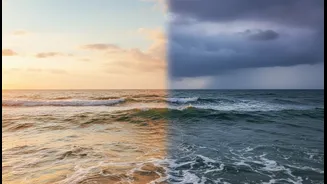
Think of the tropical Pacific Ocean as a giant bathtub. The El Niño-Southern Oscillation (ENSO) is the natural cycle of its water sloshing back and forth. During a "neutral" phase, trade winds blow from east to west, piling up warm water near Asia and Australia.
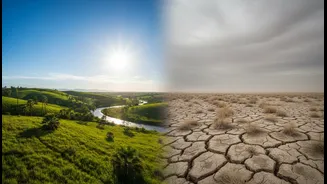
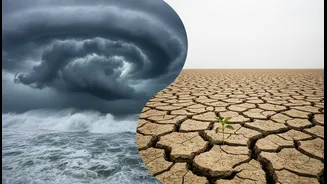
In an El Niño phase (the warm phase), these winds weaken or even reverse. This allows the warm water to spread eastward, toward South America. La Niña (the cold phase) is the opposite: trade winds become stronger, pushing more warm water to the west and allowing cold water to rise to the surface in the east. These events typically occur every two to seven years and can last for nine to 12 months. According to forecasters, strong El Niño conditions are present and expected to persist.
The Critical Monsoon Connection
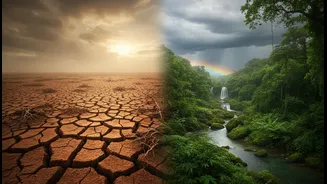
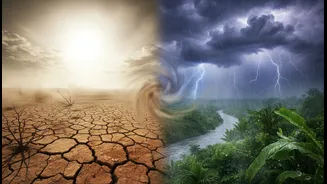
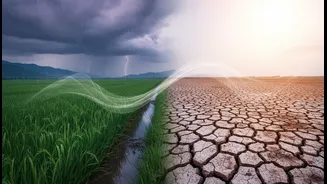
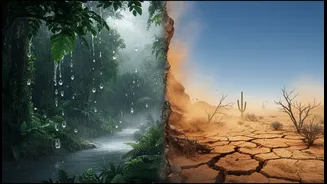
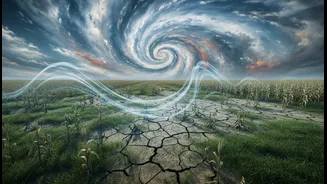
India's economy and the livelihoods of millions depend on the annual southwest monsoon. ENSO is one of the most significant factors influencing it. An El Niño event is strongly linked to weaker monsoons and reduced rainfall over the subcontinent. The warming of the eastern Pacific disrupts atmospheric pressure patterns, which can dampen the moisture-laden winds that are vital for India's rains. Historically, many of India's drought years have coincided with El Niño events. Conversely, La Niña often strengthens the monsoon, leading to better-than-average rainfall, which can be beneficial but also increases the risk of flooding.
Your Wallet and Your Plate
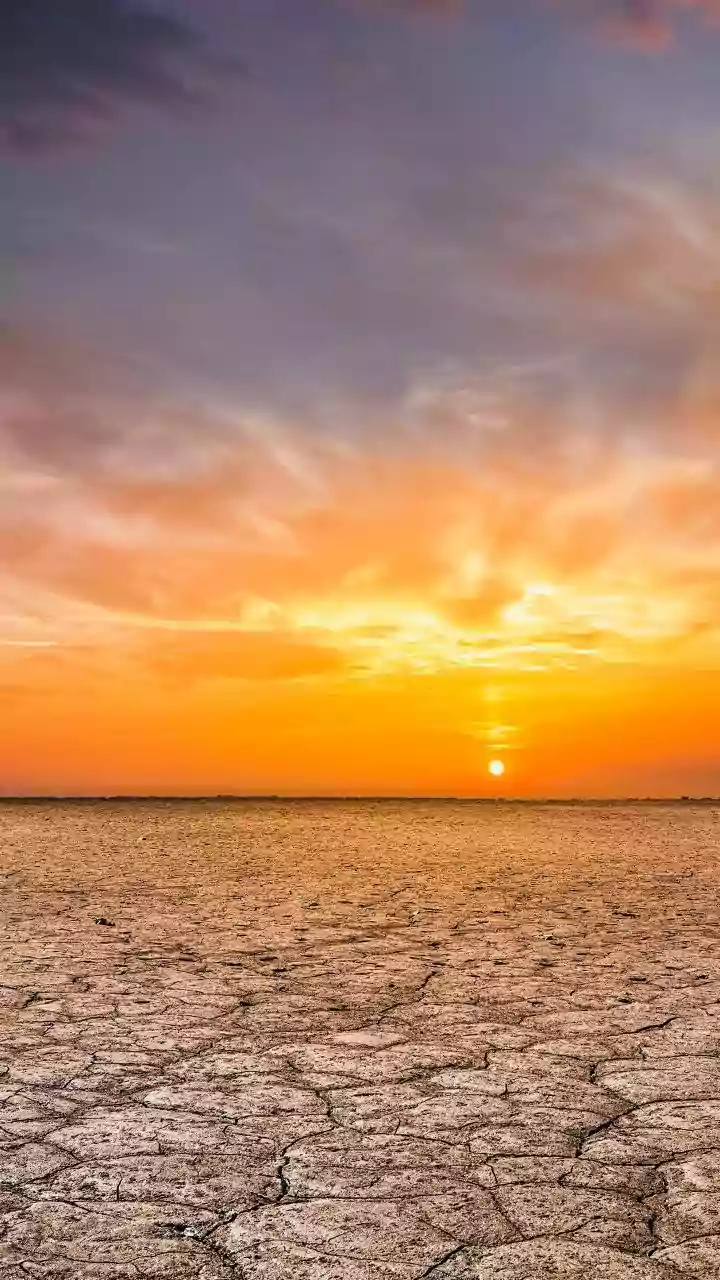
The impact on the monsoon has a direct chain reaction on agriculture, which employs nearly half of India's workforce. A weak, El Niño-driven monsoon can lead to drought-like conditions, reducing the yield of crucial kharif crops like rice, cotton, and oilseeds. Lower crop production means lower income for farmers and can lead to shortages in the market. This supply-demand gap often pushes up food prices, contributing to higher inflation that affects every household's budget. A severe El Niño could ripple far beyond farms, affecting rural demand, wages, and overall economic growth.
Power Grids and Water Taps
The consequences of a poor monsoon extend to our utilities. Weaker rainfall means less replenishment for the country's reservoirs and groundwater. This not only affects drinking water supplies but also cripples hydropower generation, a key component of India's energy mix. Simultaneously, the warmer temperatures associated with El Niño drive up the demand for electricity as more people use air conditioning. This dual pressure of lower supply from renewables (hydro and wind) and higher demand can strain the power grid, potentially leading to a greater reliance on coal to fill the gap.
Public Health Risks
The altered weather patterns brought by ENSO also pose significant public health challenges. The combination of extreme heat and erratic rainfall can create ideal conditions for the spread of vector-borne diseases. Stagnant water left by irregular rains provides breeding grounds for mosquitoes, potentially increasing outbreaks of dengue and malaria. Studies have shown that La Niña years, with their increased rainfall, can sometimes pose a greater threat for malaria transmission in densely populated states. Furthermore, heatwaves intensified by El Niño can lead to a rise in heatstroke, dehydration, and other respiratory issues, particularly among vulnerable populations.