

A Sweet Return to Tradition
Across India, a growing number of home bakers and boutique bakeries are looking past the uniform sweetness of refined white sugar and embracing 'gur'. This trend is more than just a passing fad; it's a reconnection with a pantry staple that has been central
to Indian cuisine for centuries. Driven by a desire for healthier, more wholesome ingredients, bakers are reimagining everything from classic tea cakes and cookies to sophisticated tarts and breads using this unrefined sweetener. This shift reflects a broader consumer movement towards clean eating and an appreciation for ingredients that offer both flavour and functional benefits. The move is also deeply rooted in nostalgia, bringing back the familiar, complex sweetness that many Indians associate with homemade festival sweets and grandmother’s recipes.
The Health Halo of Jaggery
So, why the sudden devotion to jaggery? Unlike white sugar, which is stripped of all nutrients during processing, jaggery retains a wealth of minerals. Because it’s unrefined, it contains iron, magnesium, potassium, and antioxidants that are absent in its processed counterpart. While it has a similar calorie count to sugar, some studies suggest its complex structure leads to a slower release of energy, avoiding the sharp spikes in blood sugar associated with refined sweeteners. Proponents celebrate its role in boosting immunity and aiding digestion, benefits long-touted in Ayurveda. However, experts advise moderation, as it is still a form of sugar. Some research also points out that jaggery can have a high glycemic index, making it a choice to be considered carefully by those managing blood sugar levels.
More Than Just Sweet: A World of Flavours
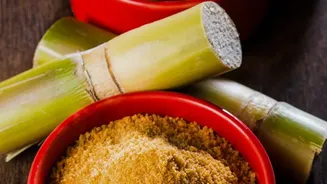
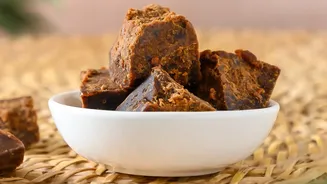
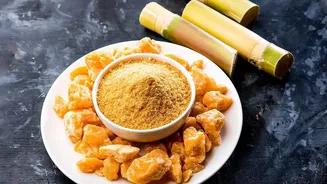
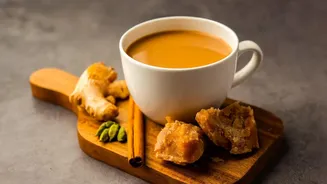
One of the most exciting aspects of baking with jaggery is the depth of flavour it provides. It’s not just sweet; it’s a complex ingredient with notes of caramel, molasses, and even a hint of saltiness. The type of jaggery used can dramatically change the final product. Sugarcane jaggery, the most common variety, offers a classic, robust sweetness. Date palm jaggery, known as 'khajur gur' and popular in West Bengal, has a flavour profile often compared to dark chocolate. Coconut jaggery, used in Goan cuisine, is rich in minerals and adds its own unique character. This variety allows bakers to create treats with nuanced flavour profiles that white sugar simply cannot replicate, pairing beautifully with traditional Indian spices like cardamom, ginger, and fennel.
The Baker’s Challenge: A Delicious Science
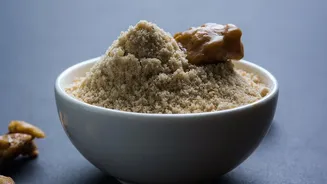
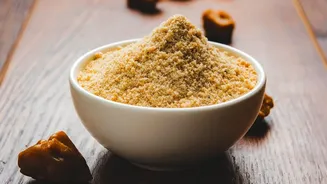
Substituting jaggery for sugar isn't always a simple one-to-one swap. Jaggery is hygroscopic, meaning it attracts and holds moisture. This property can be a baker's secret weapon, resulting in cakes and muffins that stay wonderfully moist for days. However, it can also affect the texture of crisp cookies. Bakers often find they need to adjust ratios, typically using slightly more jaggery than sugar to achieve the same level of sweetness. Its natural acidity and mineral content can also react differently with other ingredients, especially milk, requiring adjustments in technique to prevent issues like curdling in milk-based sweets. Powdered jaggery is often preferred for baking as it blends more easily into batters and doughs.
From Gur-Spiced Cookies to Millet Cakes
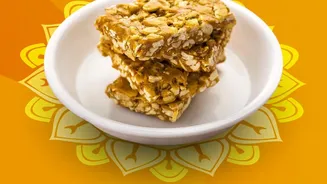
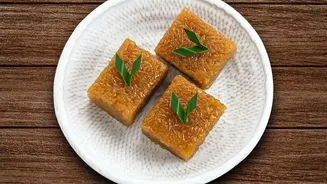
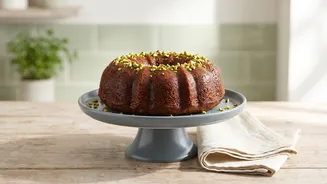
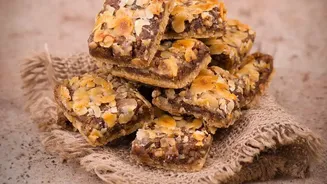
The creativity this trend has unleashed is impressive. Home bakers are crafting everything from jaggery-sweetened banana bread and chocolate brownies to energy bars and pancakes. Cookies made with jaggery boast a unique chewiness and a rich, dark colour. The fusion of traditional Indian flavours with modern baking formats is also gaining popularity, leading to innovative treats like ragi brownies and masala chai-spiced cakes. These creations don't just cater to a health-conscious audience; they offer a unique taste experience that feels both new and deeply familiar, bridging the gap between wholesome tradition and the creativity of the modern Indian kitchen.