



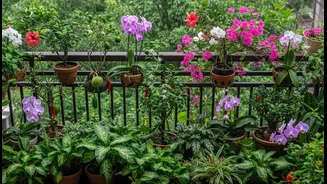


The Monsoon Challenge for Your Plants
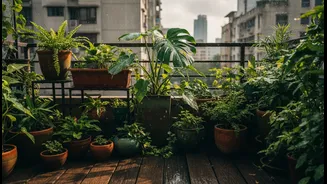
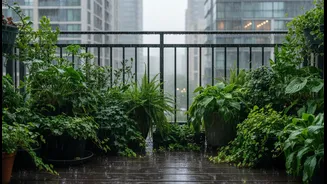
For Indian gardeners, the monsoon is a double-edged sword. While the rain provides natural irrigation, the combination of excess water and high humidity is a serious threat. Balcony pots are especially vulnerable because they have limited drainage. When
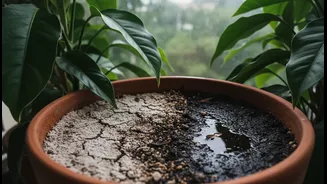
soil remains waterlogged, it pushes out oxygen, creating an anaerobic environment where harmful fungi and bacteria thrive. These pathogens attack the plant's roots, causing them to decay. Once the roots rot, they can no longer absorb water or nutrients, leading to a plant that effectively starves and dehydrates, even while sitting in wet soil.
Prevention Starts with the Potting Mix
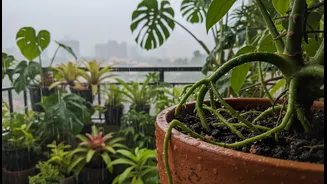
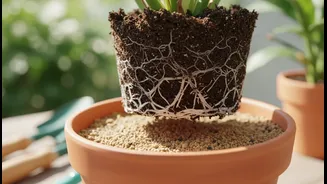
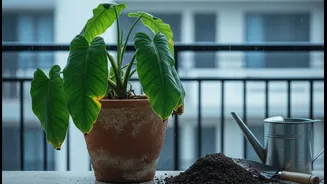
The best defence against root rot is a proactive one, starting with your soil. Standard garden soil is too dense for pots and compacts easily, trapping water. Instead, use a light, airy potting mix designed for containers. For tropical plants, an ideal mix should balance moisture retention with excellent drainage. You can create your own by combining a base potting mix with amendments like perlite, orchid bark, and coco coir or chips. Perlite creates air pockets, while bark adds chunkiness that prevents compaction, mimicking the loose forest floor where many tropicals naturally grow. Terracotta pots are also a better choice than plastic during monsoon, as their porous nature helps the soil breathe and dry out faster.
Mastering Monsoon Drainage
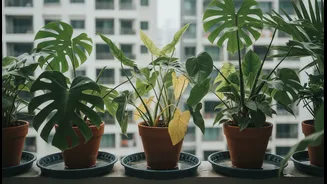
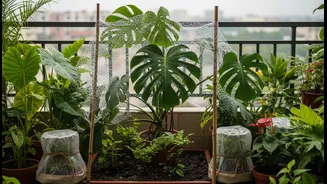
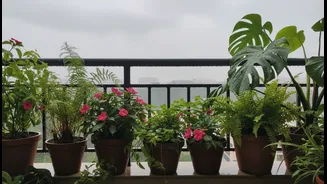
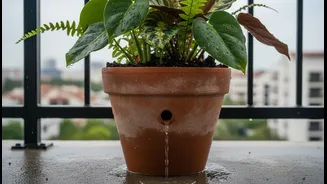
Excellent drainage is non-negotiable. Ensure every pot has unobstructed drainage holes. It’s a common myth that adding a layer of gravel at the bottom improves drainage; it actually raises the water table inside the pot, keeping the roots closer to the saturated zone. A far more effective strategy is to elevate your pots. Placing pots on bricks or plant stands allows excess water to escape freely and improves air circulation underneath, preventing the pot from sitting in a puddle. During heavy rains, move smaller, more sensitive plants closer to a wall or under a roof for protection. And always remember to empty the saucers or trays beneath your pots, as they can quickly fill with rainwater and leave roots submerged.
Rethink Your Watering Routine
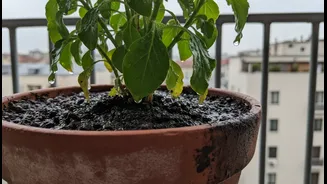
The biggest mistake during the monsoon is sticking to a summer watering schedule. With frequent rain and high humidity, your plants will need far less manual watering. The golden rule is to always check the soil before reaching for the can. Poke your finger about an inch or two into the soil; if it feels damp, wait another day or two. Let the top layer of soil dry out between waterings. This simple habit is one of the most effective ways to prevent the waterlogged conditions that lead to root rot. Also, avoid using heavy chemical fertilisers during this time. The excess rain can wash them away, and waterlogged roots are unable to absorb nutrients effectively anyway, which can lead to root burn.
How to Spot the Early Warning Signs
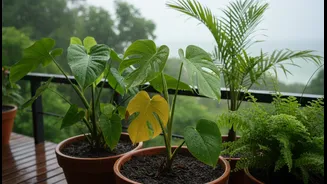
Acting fast is key to saving a plant from root rot. The initial signs appear above ground. Look for yellowing leaves, especially the lower ones. A plant that is wilting or drooping despite the soil being wet is another major red flag, as it indicates the roots are no longer functioning properly. You might also notice stunted growth or a generally unhealthy appearance. If you suspect rot, a sniff test can be revealing; a sour, musty, or swampy smell from the soil is a clear indicator of decay. To confirm, you'll need to gently remove the plant from its pot and inspect the roots directly.
Emergency Surgery for Your Plant
If you discover root rot, you may still be able to save the plant with quick action. First, carefully remove the plant from its pot and gently wash away all the soil to get a clear look at the root system. Healthy roots are typically firm and white or light-coloured. Rotted roots will be brown or black, mushy, and may even fall apart when touched. Using a clean, sterilised pair of scissors or shears, trim away all the soft, dark, and rotting roots. Be thorough and cut back to healthy, firm tissue. If you had to remove a significant portion of the roots, it's a good idea to prune back about one-third of the plant's leaves as well. This reduces the stress on the remaining roots as they recover. Finally, repot the plant in a clean pot with fresh, well-draining potting mix. Do not reuse the old, contaminated soil. Water lightly and place the plant in an area with bright, indirect light to recover.