


Beyond Roasted Makhana
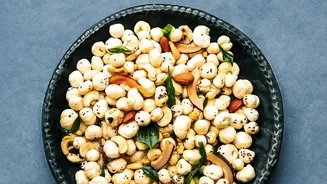
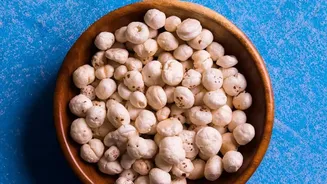
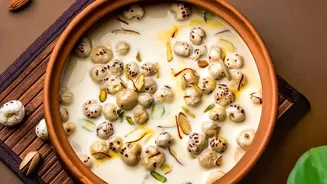
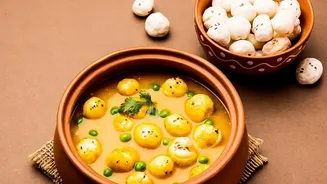
Makhana, or fox nuts, are a fasting staple, but they offer more than just a crunchy snack. Instead of simply roasting them, try making a creamy Makhana Kheer, a classic dessert that is both light and indulgent. For a savoury twist, blend roasted makhana
into a rich gravy with tomatoes and rock salt to create a vrat-friendly curry that pairs beautifully with samak rice. You can also prepare a quick Makhana Aloo Tikki by mixing soaked and mashed makhana with boiled potatoes and spices, then pan-frying until golden. Another simple yet refreshing option is a makhana raita, where lightly crushed roasted makhana is added to chilled curd with cumin powder and sendha namak.
Kuttu Gets A Modern Makeover
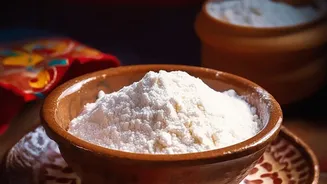
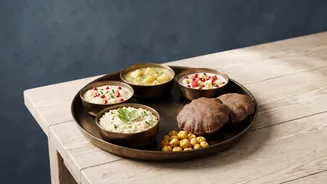
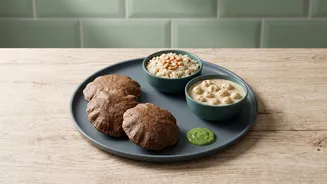
Kuttu ka atta, or buckwheat flour, is synonymous with Navratri, mostly in the form of puris. But this nutritious, gluten-free flour is incredibly versatile. Think outside the box and prepare soft, fluffy Kuttu Cheelas (pancakes) for a light breakfast. For a more substantial meal, you can create a Kuttu ka Dosa, with a crispy texture and a filling of spiced potatoes. You could even experiment with making vrat-friendly dhokla or baked kebabs using kuttu flour mixed with mashed potatoes or arbi (colocasia). These dishes offer a welcome change in texture and taste from the deep-fried classics.
Samak Rice Surprises
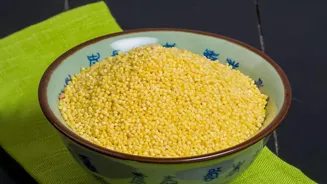
Samak ke chawal, or barnyard millet, is a fantastic substitute for rice during fasting. While the humble samak khichdi is a comfort food, this millet can do so much more. You can make instant Samak Dosa or Uttapam by grinding soaked millet into a batter. For a South Indian-inspired meal, try making fluffy samak idlis, which are light on the stomach and easy to digest. You can also prepare a creamy pulao by cooking the millet with diced potatoes, peanuts, and mild spices like cumin and black pepper. For dessert, a samak kheer offers a delightful alternative to rice-based puddings.
The Versatile Sweet Potato
Shakarkandi, or sweet potato, is a naturally sweet and energy-giving vegetable that shines during Navratri. Instead of the usual boiled chaat, try making crispy baked sweet potato wedges tossed in sendha namak and black pepper. You can also mash boiled sweet potatoes with roasted peanuts and chopped coriander to make delicious and filling tikkis. Another creative idea is a sweet potato and pumpkin sabzi, a mildly spiced dry curry that goes well with rajgira or kuttu parathas. For a sweet treat, a simple sweet potato halwa, cooked with ghee and sweetened with jaggery, is both healthy and satisfying.
Power Up With Rajgira
Rajgira, or amaranth flour, is another gluten-free powerhouse perfect for fasting. While rajgira laddoos are a popular sweet, the flour can be used to make soft and pliable parathas and rotis. Unlike kuttu, rajgira flour is easier to handle and makes for a great staple flatbread to accompany your vrat-friendly sabzis. For a quick and filling breakfast, you can make a sweet or savoury porridge with rajgira grains, cooked with either milk and fruits or water and vegetables. The versatility of this ingredient makes it a must-have in your fasting pantry.
Don’t Forget Fresh Fruits
While cooked meals are satisfying, don't underestimate the power of fresh fruits to keep you hydrated and energised. Go beyond a simple fruit chaat and create elaborate fruit salads with a mix of seasonal fruits, a drizzle of lemon juice, and a sprinkle of rock salt. A banana and walnut lassi or a smoothie made with dates and figs can serve as a complete, liquid meal when you're short on time. These options require minimal preparation but provide maximum nutrition, helping you stay refreshed through the nine days of fasting.