



The Rise of Functional Fitness
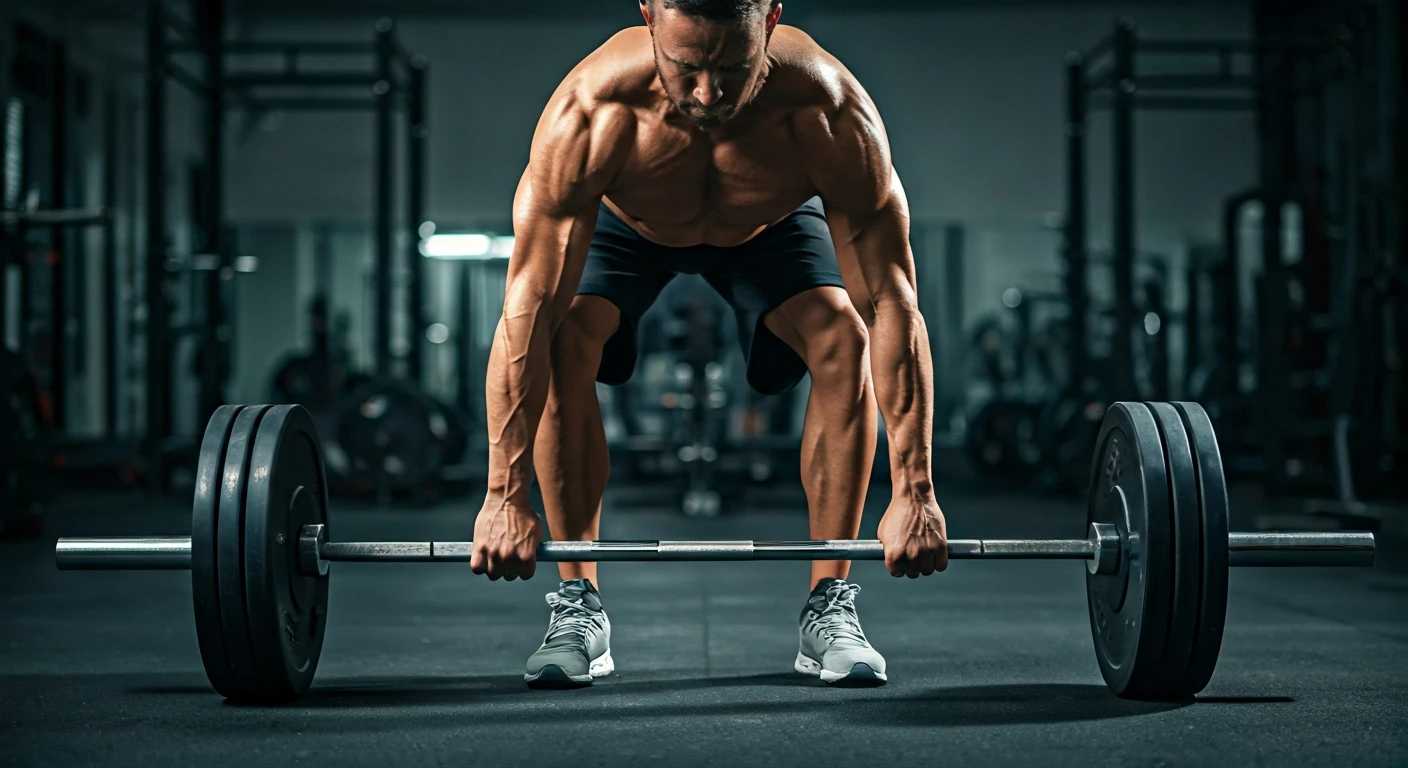
The new cornerstone of Indian fitness isn't about isolated exercises or purely aesthetic goals anymore. Instead, urban India is embracing functional fitness. [6] This approach involves compound movements that mimic everyday life—squatting, lifting, pushing,
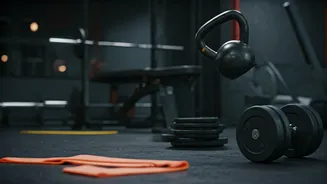
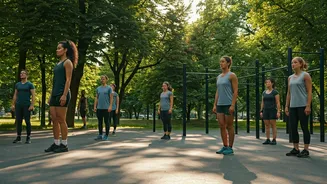
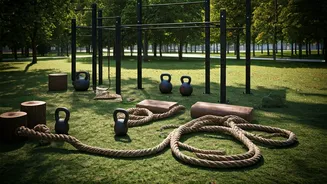
and pulling. [6] Think of workouts that prepare you for carrying groceries, lifting a suitcase, or playing with your children, rather than just focusing on bicep curls. [6] Formats like High-Intensity Interval Training (HIIT), CrossFit-style classes, and group strength sessions are surging in popularity, attracting a new generation of fitness enthusiasts in bustling cities. [4, 6] This marks a significant move away from the era of the six-pack and toward building practical, durable strength for a modern, often sedentary, lifestyle. [6, 8]
From Weight Loss to Holistic Wellness
This trend is fueled by a profound shift in why Indians are exercising. The motivation is no longer solely about weight loss. [11] Today, the goals are more inclusive and holistic: improving mobility, gaining mental clarity, preventing injury, and building confidence. [7, 9] There's a growing recognition that an hour at the gym cannot undo a completely sedentary life. [8] As a result, the focus has moved towards longevity and overall well-being, with mental health being considered as important as physical fitness. [2, 10] This holistic view is attracting a wider demographic, including women, older adults, and first-time gym-goers who are seeking sustainable health routines rather than quick fixes. [7, 9, 20]
Why Now? The Drivers of Change
Several factors are converging to fuel this movement. India's growing urban middle class, often working long hours in desk jobs, needs effective and time-efficient workouts. [6] Simultaneously, social media platforms have exposed millions to global fitness trends, making the athletic aesthetic of functional fitness highly aspirational. [6, 14] Tech-enabled fitness platforms like Cult.fit have made high-quality, structured classes more accessible and affordable. [6] The community aspect is another powerful driver; group workouts and fitness events like Hyrox are becoming the new 'third place' for social connection, especially post-pandemic. [8, 15] This sense of community fosters consistency and transforms solitary workouts into shared, motivating experiences. [4, 8]
Breaking Down Myths and Barriers
For years, strength training, especially for women, was surrounded by myths, primarily the fear of becoming 'bulky'. [23] Today, these misconceptions are being dismantled. [20] More women are embracing lifting not for aesthetic appeal, but to get stronger, prevent age-related issues like osteoporosis, regulate hormones, and improve mental health. [20] Trainers and coaches report a surge in women occupying gym spaces previously dominated by men, focused on performance goals like executing a pull-up or lifting heavier weights. [20] This cultural shift is championed by a generation that values strength as a form of empowerment and physical autonomy. [20]
How to Build Your Functional Fitness Habit
Starting with functional fitness is more accessible than it seems. The key is to begin with foundational movements. Bodyweight exercises like squats, push-ups, and planks are excellent starting points that can be done at home. [2] As you build confidence, you can explore group classes that offer structured guidance and community support. [13] Many find that mixing formats, such as combining traditional gym workouts with trainer-led group classes and sports like badminton or swimming, keeps the routine engaging. [18] The goal is to build fitness into your daily life, focusing on consistency over intensity. [9] Digital apps and wearables can also provide motivation and help track progress, turning daily activity into a rewarding habit. [2, 5, 16]