






The New Shape of the Urban Indian Family
Pet ownership in India is undergoing a significant transformation. Driven by rising disposable incomes, urbanization, and a cultural shift towards pet humanization, more households are welcoming animals into their homes. Particularly among millennials
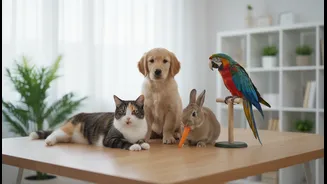
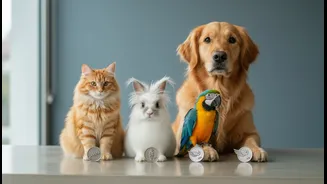
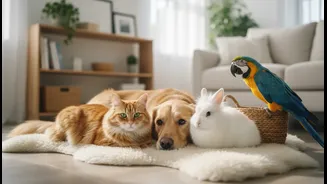
and Gen Z in nuclear families, pets are often viewed as integral family members, providing companionship and emotional support. This trend has seen the pet population in India grow substantially, with many households now home to multiple pets. While dogs have traditionally dominated, cats are gaining popularity, especially in apartments and smaller urban homes. This diversification of companion animals reflects a deeper integration of pets into the fabric of Indian city life.
Why Registration Historically Focused on Dogs
For decades, municipal pet registration drives have almost exclusively targeted dogs. This focus was rooted in pressing public health and safety concerns. Rabies control and the prevention of dog bites were the primary motivators, making dog licensing a critical tool for civic authorities to ensure mandatory vaccination and maintain a degree of accountability for owners. The process establishes legal ownership, which is crucial in resolving disputes, but its main purpose has been to manage the risks associated with a large, free-roaming dog population in a dense urban environment. As a result, the legal and administrative framework for pet licensing was built with canines in mind.
The Case for Including Cats and More
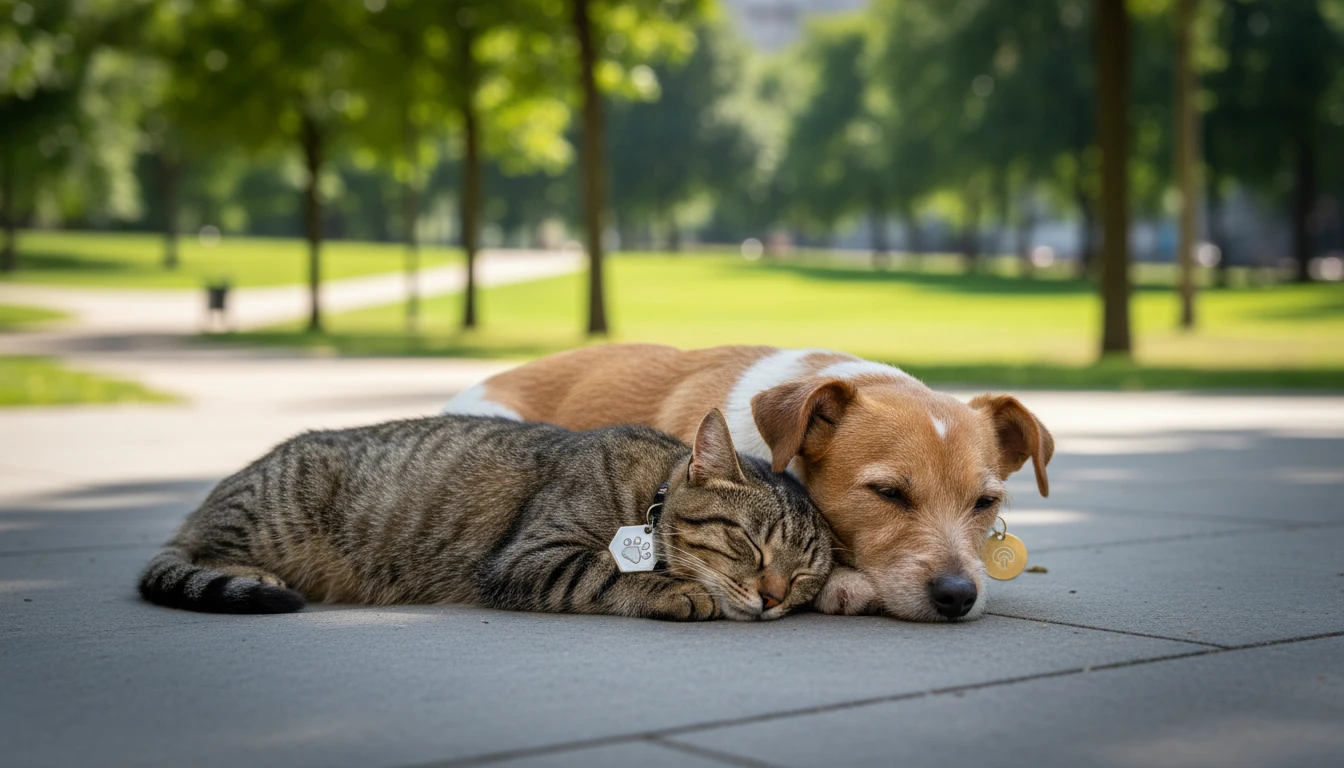
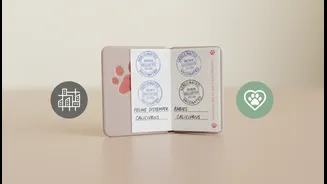
As our homes welcome more diverse species, the logic for expanding registration is becoming undeniable. Including cats and other pets in municipal databases offers a host of benefits that extend beyond the traditional focus on dogs. Firstly, it's a matter of public health. A comprehensive registry helps authorities monitor vaccination status for various diseases, not just rabies, contributing to a healthier community for both people and animals. Secondly, it provides a vital safety net for lost pets. A registration tag or microchip is often the fastest way to reunite a lost cat or bird with its worried family. This simple act of documentation transforms a lost animal into an identifiable family member, dramatically increasing its chances of a safe return.
From Animal Welfare to Urban Planning
Beyond individual safety, a broader registration system is a powerful tool for animal welfare and better city management. It creates an official record of ownership, which can be invaluable in cases of abandonment or cruelty, ensuring pet parents are held responsible. Furthermore, the data collected provides municipal corporations with a clearer picture of the pet population. This information is essential for planning community resources, such as determining the need for more pet-friendly parks, veterinary services, or waste management solutions. The fees collected from licensing can also provide crucial funding for local animal control efforts, shelter programs, and low-cost spay and neuter initiatives.
Overcoming the Hurdles
While the benefits are clear, expanding pet registration is not without challenges. Many municipal corporations are still primarily equipped to handle dog registration, and expanding their systems requires administrative will and resources. Some pet owners may view licensing for cats or smaller animals as an unnecessary formality, especially if enforcement is inconsistent. However, an increasing number of cities are beginning to include cats and other animals in their registration drives, signalling a slow but steady shift. This move requires educating the public on the benefits—framing registration not as a penalty, but as a proactive step toward responsible ownership and community well-being.