




The End of the Off-Season
For years, Indian travellers associated the monsoon with staying indoors. But that perception has changed dramatically. What was once a quiet period for the hospitality industry is now a bustling season. Major hotel chains are reporting significant year-on-year
growth, with July bookings pacing nearly 10% ahead of the previous year. In some popular destinations like Munnar and Mussoorie, hotel bookings have seen a staggering tenfold increase compared to last year. Even Goa, a state that traditionally saw a 24% drop in hotel tariffs during the rains pre-COVID, is now experiencing 'resilient' pricing due to sustained demand. Hotel searches for Goa in July have jumped nearly 40% compared to the peak summer season, signalling a fundamental shift in travel patterns.
Why the Sudden Rush for the Rains?
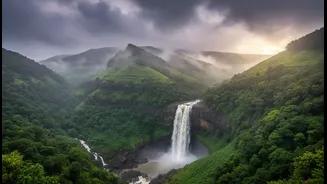
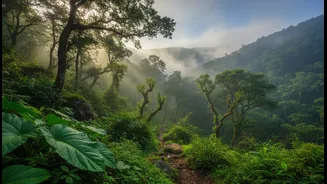
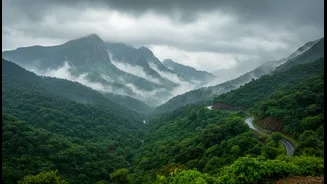
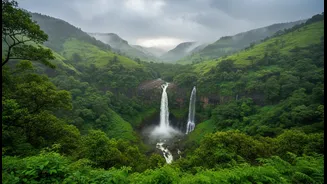
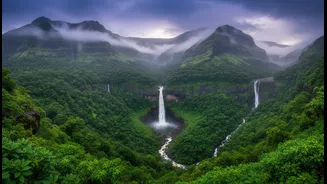
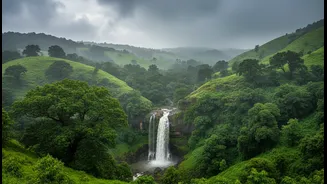
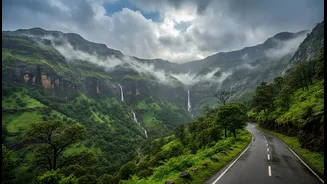
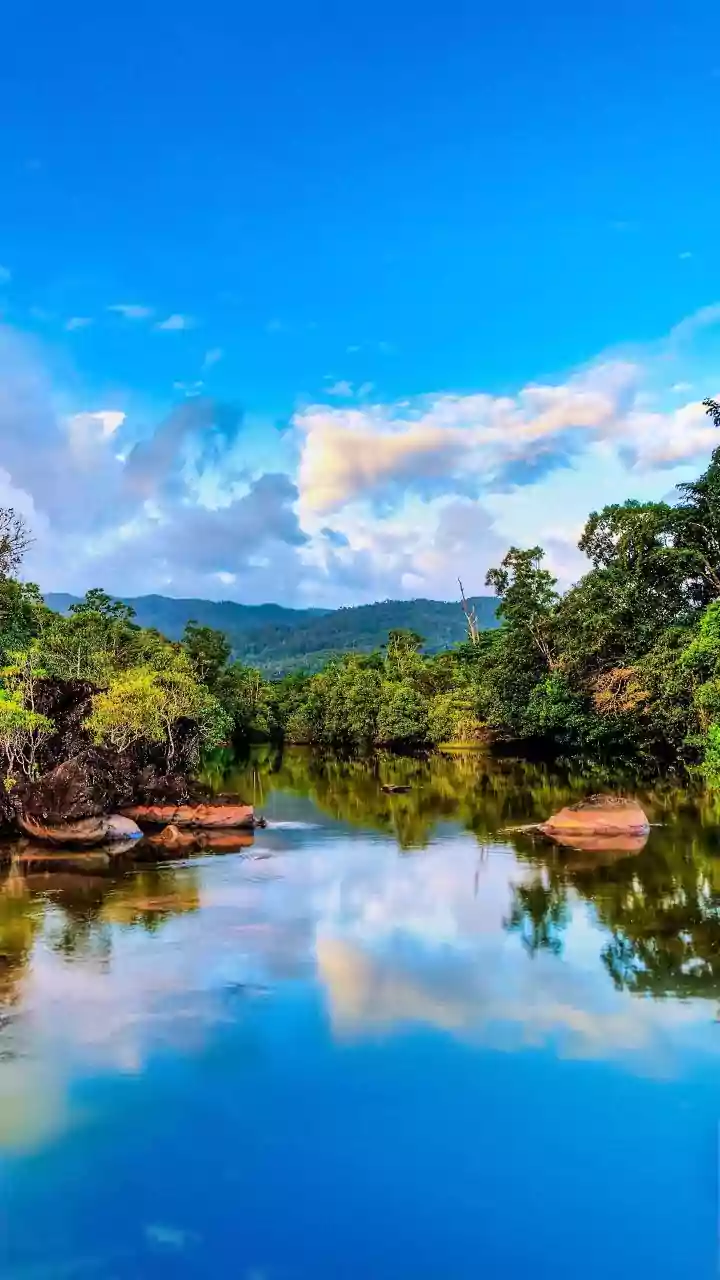
Several factors are fuelling this monsoon travel boom. The rise of remote work and 'workcations' allows professionals to trade city apartments for scenic views without using up vacation days. This flexibility means travel is no longer confined to traditional holiday windows. Furthermore, there is a growing desire for experience-led travel. Today's tourists are seeking more than just sightseeing; they want immersive wellness retreats, cultural exploration, and the chance to connect with nature—all of which are amplified during the monsoon. The lush green landscapes, swelling waterfalls, and mist-covered hills, heavily romanticised on social media, have turned the rainy season into an aspirational travel period. Travellers are increasingly opting for shorter, more frequent trips throughout the year, and the monsoon now fits perfectly into that schedule.
From Hills to Coasts: Top Monsoon Getaways
The demand is widespread, covering a variety of landscapes. Hill stations are a major draw, with destinations like Mussoorie, Rishikesh, Lonavala, Coorg, and Wayanad seeing huge spikes in interest. Rishikesh, for instance, jumped from the 18th to the 3rd most-searched domestic destination, with a search increase of over 200% year-on-year. Coastal destinations like Goa and Kerala remain evergreen favourites, with travellers embracing a greener, quieter side of these popular spots. Beyond these usual suspects, spiritual hubs like Varanasi and Puri are maintaining healthy occupancies, and northeastern states like Nagaland and Arunachal Pradesh have recorded a 62% year-on-year rise in flight bookings.
What This Means for the Indian Traveller
The biggest takeaway for travellers is the need to plan ahead. The era of scoring last-minute monsoon bargains is fading. While prices may not reach the absolute peaks of December, they are no longer at off-season lows. Hotel tariffs are remaining firm due to the consistent demand. This means booking flights and accommodation well in advance is crucial to secure a spot and manage costs. The booking window for travellers has become shorter and more impulsive, often driven by a good weather forecast or a long weekend, which means that desirable properties get snapped up quickly. Travellers should also be prepared for fuller hotels and more fellow tourists, even in places once considered secluded monsoon retreats. The secret is out, and the monsoon is now a mainstream travel season.