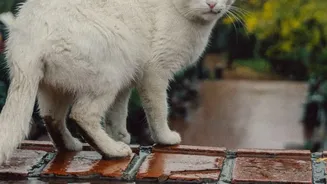










Why Monsoon Is a High-Risk Season
The Indian monsoon, while a relief for us, creates a high-risk environment for our pets. The combination of high humidity, stagnant water from puddles and waterlogged streets, and damp, overcast days provides the perfect breeding ground for a host of problems.
Ticks and fleas thrive in these warm, moist conditions, leading to a sharp increase in infestations. Furthermore, damp fur that never fully dries becomes an ideal place for fungal and bacterial skin infections to develop. Waterborne diseases like leptospirosis and gastrointestinal infections also become a major concern as pets may drink from contaminated puddles. This seasonal shift means that preventative care, especially daily checks and cleaning, is not just a good habit but a crucial defence against illness.
The Daily Tick Check: A Step-by-Step Guide
Ticks are more than just a nuisance; they carry serious diseases like tick fever. Since they are rampant during the monsoon, a daily check after any outdoor time is non-negotiable. Run your hands slowly over your pet’s entire body, feeling for any small bumps on the skin. Part the fur to get a closer look, especially in their favourite hiding spots: inside and behind the ears, under the collar, between the toes, in their armpits and groin area, and around the base of the tail. Ticks can be as small as a pinhead, so a thorough visual inspection is key. If you find a tick, remove it promptly and carefully with fine-point tweezers, ensuring you get the head. Daily checks are vital because removing a tick within 24-48 hours can significantly reduce the risk of disease transmission.
Mastering the Post-Walk Clean-Up
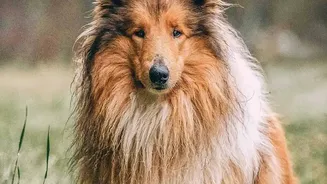
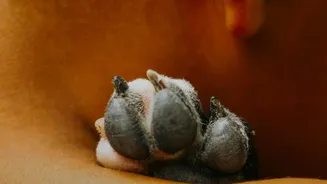
A walk in the rain often ends with muddy paws, but the real issue is the unseen bacteria, fungi, and allergens collected from wet streets and grass. Establishing a post-walk cleaning routine is essential. For light dirt, pet-safe grooming wipes are a convenient option. For muddier paws, a proper wash is necessary. Use lukewarm water and a small amount of dog-safe shampoo to gently clean each paw, making sure to get between the pads and toes. The most critical step, however, is drying. Damp paws and fur are breeding grounds for fungal infections. Towel-dry your pet thoroughly, paying extra attention to their paws, belly, and any skin folds. For long-haired or double-coated breeds, a hairdryer on a low, cool setting can help ensure they are completely dry.
Beyond Ticks: Other Monsoon Menaces
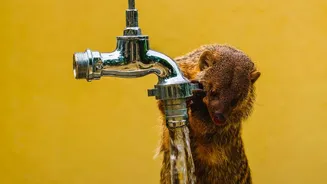
While ticks are a major focus, the monsoon brings other health threats. Fungal and yeast infections are extremely common, causing intense itching, redness, a musty odour, and hair loss. These thrive in the warm, moist areas of your pet’s body like their ears, paws, and skin folds. Always dry these areas diligently. Ear infections are another frequent problem, especially for floppy-eared breeds that trap moisture. Also, be vigilant about what your pet drinks. Stagnant water is rife with bacteria that can cause serious gastrointestinal issues and dangerous diseases like leptospirosis. Always provide fresh, clean drinking water, and change it frequently.
Prevention and When to See a Vet
Prevention is always better than cure. Speak to your veterinarian about the best year-round tick and flea prevention for your pet, which may include spot-on treatments, oral medications, or special collars. Keeping your home clean by regularly washing your pet's bedding in hot water and vacuuming can also help control parasites. While daily checks can prevent many issues, it's important to know when to seek professional help. If you notice signs like a sudden high fever, extreme lethargy, refusal to eat, pale gums, or a skin lesion that is spreading or oozing, contact your vet immediately. Many monsoon-related illnesses can become serious quickly, and early intervention is key to a swift recovery.