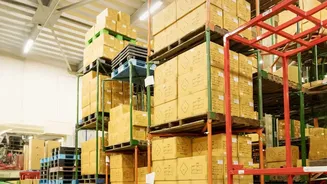





As India’s festive season approaches, a different kind of excitement is building in its smaller cities. Beyond the metros, a quiet revolution is creating thousands of jobs for local youth, turning warehouses into gateways for careers in logistics.
The E-commerce Ripple Effect
The
engine behind this transformation is the relentless expansion of e-commerce. Companies are no longer focusing solely on metros; a significant portion of their growth is now coming from Tier-II and Tier-III cities like Jaipur, Lucknow, Indore, and Coimbatore. To meet rising consumer demand in these areas, businesses are establishing vast networks of warehouses and fulfilment centers, bringing jobs directly to where people live. This has led to a massive surge in seasonal hiring, with some reports indicating a 22-25% increase in temporary jobs in smaller cities, outpacing the growth in major metros. These are not just any jobs; they are entry points into the logistics sector, one of India’s biggest job creators.
More Than Just a Temporary Gig
What makes this trend particularly powerful is the focus on training. Recognizing that nearly 90% of the logistics workforce has historically lacked formal training, companies and skilling bodies are investing heavily in structured programs. Initiatives by the Logistics Sector Skill Council (LSC), private firms like Flipkart with its Supply Chain Operations Academy (SCOA), and government support through missions like Skill India are creating a new generation of job-ready professionals. For many young people, what starts as a seasonal job to manage festive demand becomes a stepping stone. These programs are designed to turn temporary work into a viable career path by equipping youth with foundational and specialized skills.
Inside the Modern Warehouse Classroom
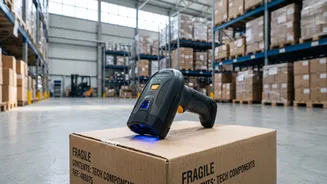
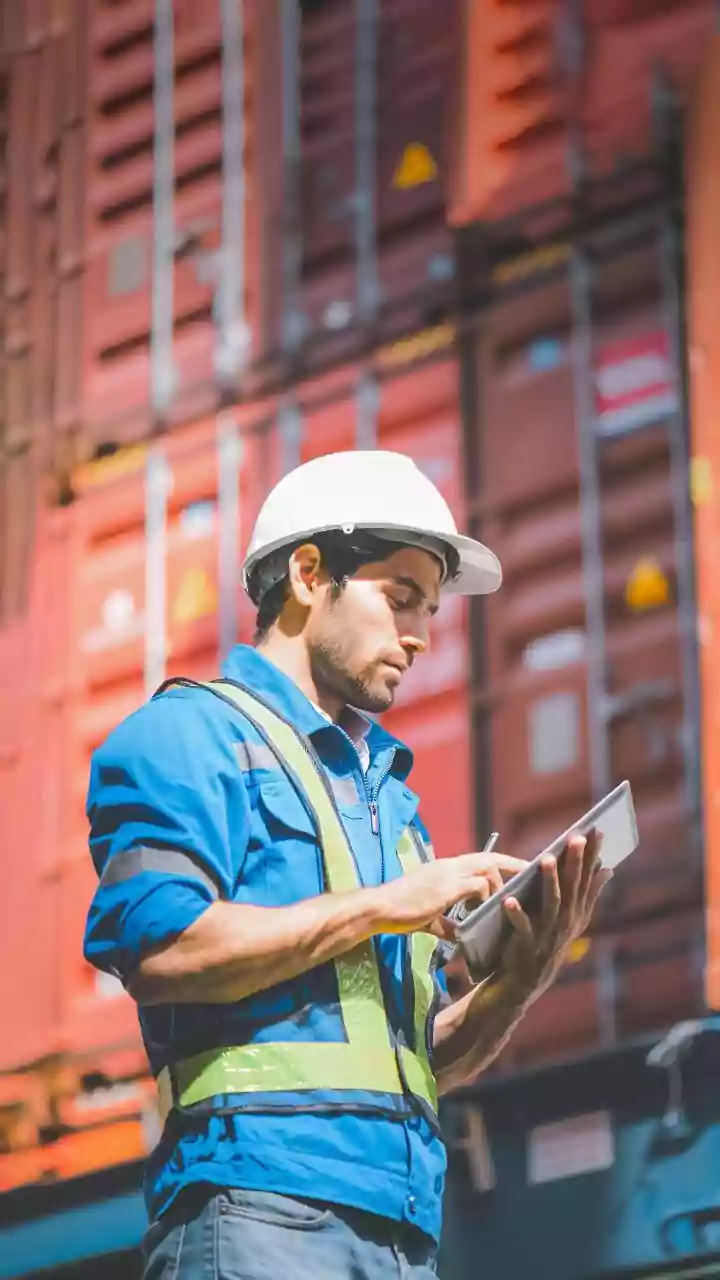
The training provided is comprehensive and aligned with modern industry needs. New hires, often requiring only a 10th or 12th pass qualification, are taught the essentials of supply chain operations. The curriculum typically includes inventory and stock management using Warehouse Management Systems (WMS), digital scanning, quality control, and efficient order processing, including picking and packing. Crucially, safety is a major component, covering everything from material handling equipment operation to general workplace safety protocols. Many programs also incorporate soft skills development, such as communication and teamwork, to ensure recruits are well-rounded professionals ready for growth. Some companies even offer flexible, student-friendly shifts and require no prior experience, providing on-the-job training that takes as little as two days.
A Win-Win for Youth and Industry
This model offers a dual benefit. For local youth in smaller cities, it provides accessible employment opportunities that don't require migrating to a major metropolitan area. It offers financial independence, with monthly earnings often ranging from ₹9,500 to ₹14,500 plus incentives, and a clear path for career progression. For companies, it creates a stable, skilled talent pipeline in crucial, high-growth markets. By investing in local talent, they can lower operational costs, reduce attrition, and build a more resilient supply chain. This symbiotic relationship strengthens local economies, empowers a new section of the workforce, and fuels the continued growth of India's digital economy.
The Road Ahead
While the opportunity is immense, challenges remain, including raising awareness and overcoming the perception of logistics as having low social prestige. However, the momentum is undeniable. With the logistics sector projected to continue its rapid expansion, the demand for skilled workers will only grow. Government bodies like the National Skill Development Corporation (NSDC) and industry councils are working in tandem to standardize training and certification, ensuring that the skills learned are recognized nationwide. As more companies look beyond the metros, these warehouse training programs are set to become even more critical, building the human capital required to power India's supply chains of the future.