




The Link Between Pulses and Pressure
The science is promising. Multiple studies suggest that regular consumption of pulses—which include all varieties of dals, beans, and chickpeas—can play a supportive role in lowering blood pressure. A 2026 meta-analysis even found that people with the
highest intake of legumes had a significantly lower risk of developing hypertension. The benefits are not due to a single magic ingredient but rather the powerful combination of nutrients packed into these tiny seeds. Pulses are nutritional powerhouses, offering a fantastic combination of plant-based protein, dietary fibre, and crucial minerals.
The Nutrient Power Players
So, how exactly do pulses work their magic? It comes down to their impressive nutritional profile. They are particularly rich in potassium and magnesium, two minerals essential for blood pressure regulation. Potassium helps your body balance sodium levels and relaxes the walls of your blood vessels, which directly contributes to lower pressure. Magnesium is also vital for helping blood vessels relax. Furthermore, the high fibre content in pulses not only aids digestion and weight management but also helps lower cholesterol, another important factor for overall cardiovascular health.
Meet Your Kitchen Champions
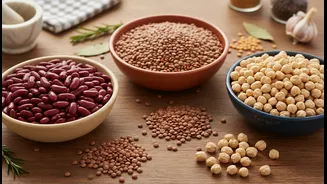
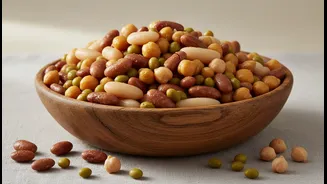
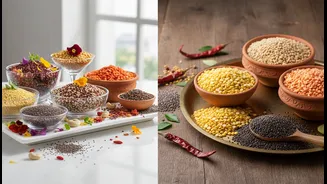
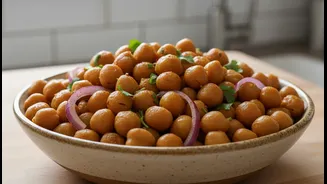
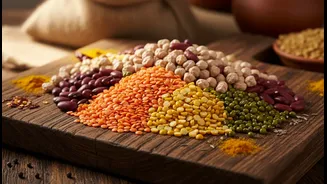
In an Indian kitchen, you're already surrounded by blood pressure champions. Lentils (dals) like masoor, moong, and toor dal are excellent sources of protein, fibre, magnesium, and potassium. Chickpeas (chana), whether in a curry or a salad, offer similar benefits. Kidney beans (rajma), a weekend favourite in many homes, are another fantastic choice, shown to improve cholesterol levels alongside their pressure-supporting properties. The key is variety and consistency. Rotating through different pulses ensures you get a wide array of nutrients.
Beyond the Dal Baati
While a comforting bowl of dal is a perfect start, there are countless ways to boost your pulse intake. Think beyond the traditional preparations to keep things interesting. Start your day with a moong dal chilla or a besan (chickpea flour) cheela. Pack a sprouted moong salad for a crunchy and nutritious lunch. Snack on roasted chana or homemade hummus with carrot sticks instead of processed snacks. You can also add beans and lentils to soups, stews, and even vegetable patties to make them more filling and nutrient-dense. The goal is to make them a regular, enjoyable part of your meals, not a chore.
How Much Is Helpful?
Recent research suggests that the benefits for blood pressure become most apparent with consistent intake. Some studies point to an optimal level of around 170 grams of legumes per day, which is roughly equivalent to one generous katori of cooked dal or rajma. However, you don't need to get caught up in exact measurements. The broader principle is to make pulses a central part of at least one, if not two, of your main meals each day. Consistency is more important than hitting a precise number daily. Small, regular additions can lead to significant benefits over time.