


The Push for Greener Celebrations
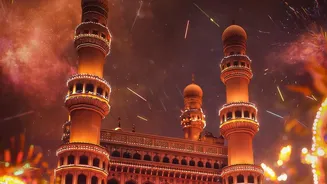
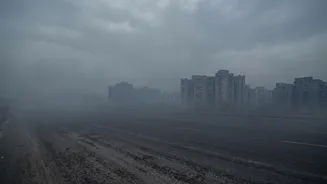
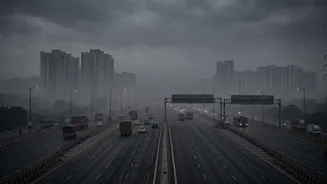
The conversation around green crackers stems from years of rising air pollution, particularly in North India, which often reaches hazardous levels after Diwali. Responding to public health concerns, the Supreme Court of India intervened several years ago,
leading to strict regulations. The goal is to balance festive traditions with the urgent need to protect the environment and public health. Court rulings have consistently moved towards regulation rather than complete bans, aiming to allow celebrations that are less harmful. This has put the focus on scientifically designed, lower-emission fireworks and the rules governing their use.
What Exactly Is a 'Green Cracker'?
The term 'green' doesn't mean a firework is pollution-free; it signifies a reduction in pollutants compared to conventional crackers. Developed by the Council of Scientific and Industrial Research–National Environmental Engineering Research Institute (CSIR-NEERI), green crackers are designed to have a smaller environmental footprint. Their chemical composition avoids certain toxic elements like barium nitrate, arsenic, and lead. The key innovation is a formulation that reduces particulate matter (PM2.5 and PM10) emissions by at least 30-40%. There are three main types: SWAS (Safe Water Releaser), which emits water vapour to suppress dust; STAR (Safe Thermite Cracker), which has low aluminium content; and SAFAL (Safe Minimal Aluminium), which produces less sound and emissions.
How to Identify Authentic Green Crackers
With many fake products in the market, identification is key. Genuine green crackers have two mandatory markings on the box. First, look for the official CSIR-NEERI green logo. Second, and most importantly, is a QR code. When you scan this code with your smartphone, it should provide details about the manufacturer, its license, and the firework's certification. If there is no logo or the QR code is fake, the product is not a legitimate green cracker. Authorities have warned that unverified crackers not only defeat the environmental purpose but may also be illegal.
Rules and Timings for Bursting Crackers
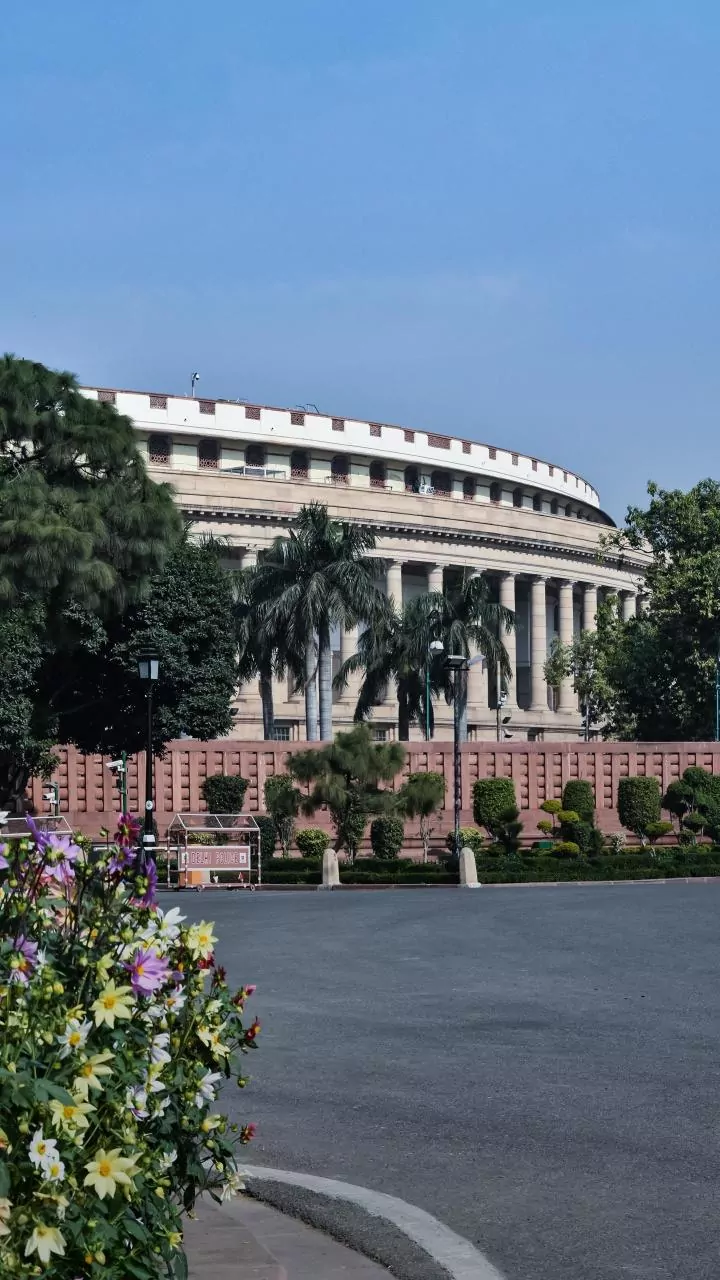
While the Supreme Court has ruled out a nationwide blanket ban for Diwali 2026, it has also rejected the idea of unrestricted, 24-hour use. The court has indicated that specific time windows for bursting permissible crackers will be enforced, similar to previous years when a two-hour window (e.g., 8 PM to 10 PM) was common. However, these rules can vary significantly by state and city. Some regions, like Delhi-NCR, have historically implemented complete bans on the sale and use of all types of firecrackers due to severe pollution levels. It is essential for citizens to check the specific guidelines issued by their local authorities for Diwali 2026, as these will be the final word. The Bombay High Court has already directed a year-round ban on bursting firecrackers on public streets.
What's Still Banned?
Even where green crackers are permitted, many types of conventional fireworks remain illegal. This includes 'laris' or joined crackers, although the court has recently considered allowing green versions of these as well. Any firecracker containing banned chemicals like barium nitrate remains prohibited, pending further review by expert bodies. The production, sale, and use of any non-certified, conventional firework is against the law. The rules are designed to phase out the most polluting and dangerous products from the market entirely, pushing consumers and manufacturers towards safer alternatives.
Penalties for Breaking the Rules
Authorities have established significant penalties to enforce these regulations. For sellers, the illegal production, storage, or sale of banned firecrackers can lead to fines up to ₹5,000 and imprisonment for up to three years under the Explosives Act. For individuals, bursting non-permissible crackers or violating the designated time limits can result in fines and even jail time. In Delhi, for instance, past penalties have included a ₹200 fine and up to six months in jail under the Indian Penal Code for violations. Dozens of enforcement teams are often deployed to monitor and act on violations.