



What Are Fermented Rice Bowls?
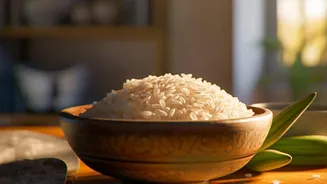
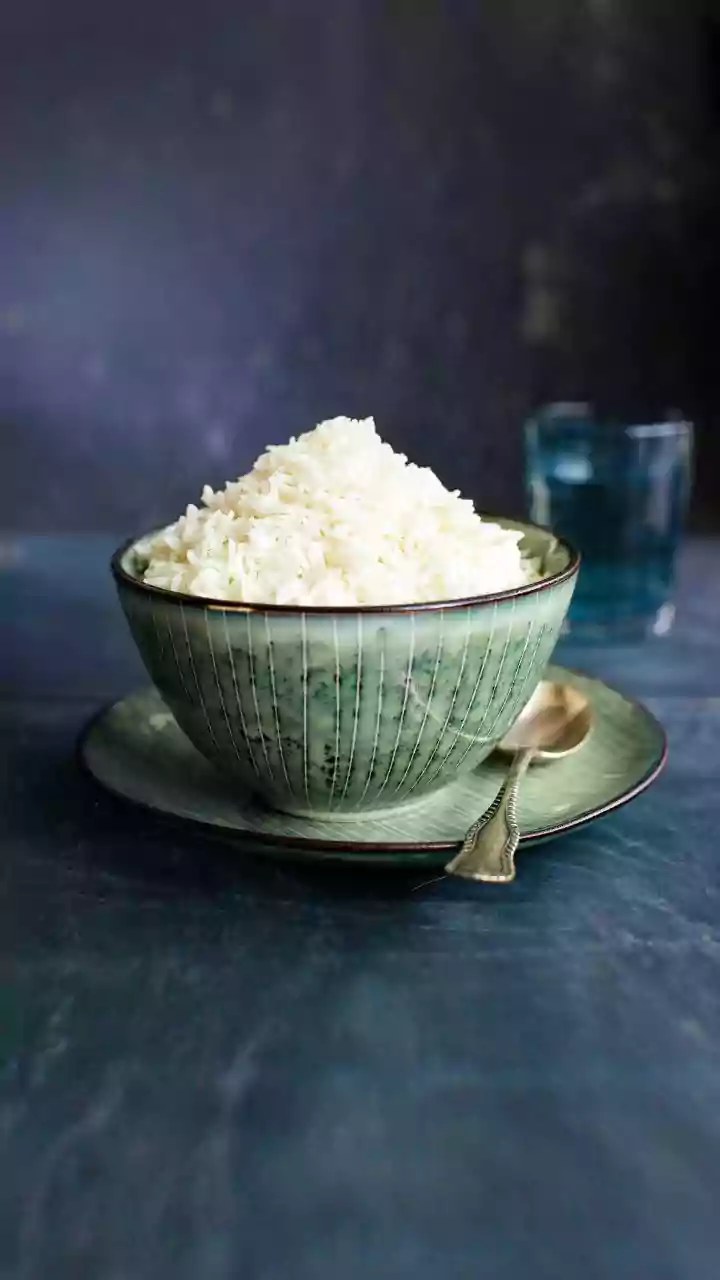
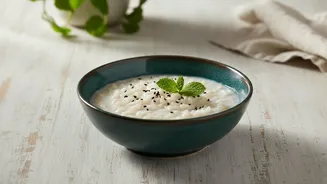
At its core, this dish is simplicity itself. It begins with cooked rice, typically leftovers, that is soaked in water and left to ferment at room temperature overnight. By morning, the natural lactic acid fermentation process has transformed the rice, giving
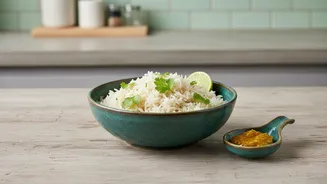
it a slightly tangy flavor and a softer texture. Known as Pazhaya Soru or Neeragaram in South India and Panta Bhat in Bengal and Bangladesh, this food has been a staple for generations. Traditionally served cool with simple accompaniments like salt, onions, chili peppers, or a side of mashed potatoes, it was a practical way to prevent food waste while creating a nourishing meal.
A Time-Tested Breakfast of Laborers
Long before it appeared in modern kitchens, fermented rice was the go-to breakfast for farmers and laborers across South and Southeast Asia. This wasn't a gourmet choice but a practical one. The dish provided cooling hydration in hot climates and, most importantly, a source of sustained energy for a long day of physical work. Once viewed as a 'poor man's food', its resurgence has been fueled by a modern appreciation for its profound nutritional benefits, which were intuitively understood by past generations. The very qualities that made it ideal for manual laborers are now catching the eye of athletes and fitness enthusiasts looking for natural, functional foods.
The Modern Gut-Health Connection
The current buzz around fermented rice is intrinsically linked to the wellness world's focus on gut health. The fermentation process creates a wealth of beneficial probiotics, the 'good' bacteria that are crucial for healthy digestion and a robust immune system. These probiotics can help balance the gut microbiome, which is linked to everything from improved digestion to reduced inflammation. Furthermore, fermentation makes the nutrients within the rice more bioavailable. Studies and nutritional analyses have shown that the process can significantly increase the levels of minerals like iron and calcium, as well as B-vitamins, including the hard-to-get vitamin B12. For those in fitness, this translates to better nutrient absorption, potentially reduced fatigue, and overall better digestive function.
Rethinking Rice in a Fitness Diet
For years, many carb-conscious fitness plans have been wary of white rice due to its high glycemic index, which can cause blood sugar spikes. However, the fermentation process appears to alter this. The breakdown of starches by bacteria may result in a food that is easier to digest and has a less dramatic effect on blood sugar. The presence of resistant starch in cooled rice further acts as a prebiotic, feeding the beneficial bacteria in the gut. This makes fermented rice a compelling option for those seeking the energy benefits of carbohydrates without some of the common downsides, providing a light yet filling meal that supports, rather than hinders, athletic performance.
How to Try the Trend at Home
Incorporating fermented rice into your diet is remarkably easy. Simply take leftover cooked rice (parboiled or aged rice often works best to prevent mushiness), place it in a clean clay or glass container, and cover it completely with filtered water. Let it sit on your counter overnight, for about 8 to 12 hours. In the morning, the water will be slightly cloudy and the rice will have a mild, tangy aroma. You can eat the rice and drink the water (the 'Toraṇi'), which is also packed with nutrients. To make it a modern fitness bowl, top it with a scoop of Greek yogurt for protein, some nuts for healthy fats, or pickles and fresh herbs for added flavor and micronutrients.