



Beyond the Humble Kadha
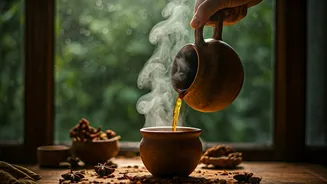
For generations, the word 'kadha' in an Indian household meant one thing: a potent, often bitter, herbal concoction brewed to fight off a cold or soothe a sore throat. It was medicine, not a leisure drink. But today, that entire category of beverages
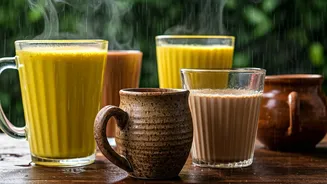
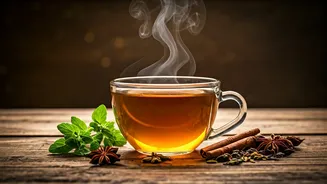
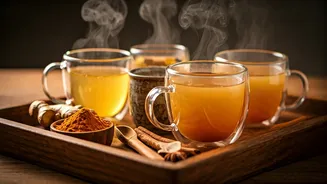
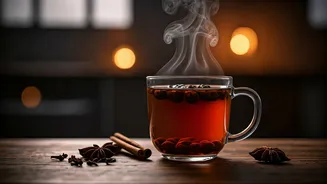
is undergoing a stylish reinvention. The trend of spiced herbal drinks goes far beyond the functional decoction of our childhoods. We're talking about beautifully crafted, aromatic infusions that are as much about pleasure and wellness as they are about tradition. Think turmeric lattes dusted with cinnamon, calming chamomile teas infused with star anise, and refreshing ginger-mint coolers. These drinks are reclaiming their space, not as a remedy, but as a sophisticated, flavourful, and healthy alternative to coffee, tea, and sugary sodas.
Riding the Wellness Wave
So, why the sudden resurgence? The answer lies in a major cultural shift towards wellness and mindful consumption. The post-pandemic era has made us all more conscious of our health and immunity. We’re scrutinising labels, seeking natural ingredients, and looking for 'functional foods'—foods that do more than just fill us up. Spiced herbal drinks fit this need perfectly. They are often packed with ingredients like ginger, turmeric, tulsi, and cinnamon, all of which have deep roots in Ayurveda and are traditionally associated with anti-inflammatory, digestive, and immune-supporting properties. This trend is also fuelled by a growing 'sober curious' movement, where people are actively seeking interesting and complex non-alcoholic beverage options for social occasions and daily enjoyment.
Old Favourites, New Avatars
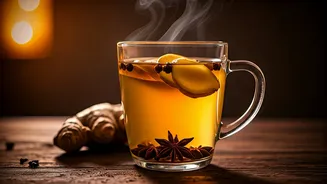
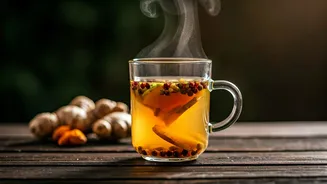
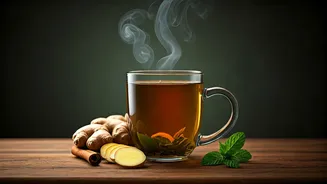
The beauty of this trend is how it celebrates and elevates familiar flavours. The humble 'haldi doodh' is now the globally recognised 'turmeric latte', often made with almond or oat milk and sweetened with jaggery or honey. The simple ginger-tulsi tea, a staple for coughs and colds, is now a menu-staple at wellness cafes, sometimes with added lemongrass or a hint of black pepper to enhance absorption of curcumin from the turmeric. Other popular blends include those featuring ashwagandha for stress relief, moringa for its nutrient density, and a mix of 'warming' spices like cloves, cardamom, and nutmeg for a drink that feels like a hug in a mug. It’s a celebration of India’s rich botanical heritage, presented in a way that appeals to the modern palate.
From Cafes to Your Kitchen
This trend isn't just happening in high-end cafes; it's brewing in our homes too. The accessibility of spices and herbs makes it an easy and rewarding DIY project. Instagram and Pinterest are flooded with recipes for homemade herbal infusions, each with a personal twist. It’s empowering to create your own wellness blend tailored to your taste and needs. Whether you're simmering fresh ginger and tulsi leaves on the stove, whisking up a frothy turmeric latte, or steeping dried flowers and spices for a calming bedtime tea, the process itself is a mindful ritual. It connects us to the ingredients and encourages a slower, more deliberate approach to what we consume.
A Simple Starter Recipe
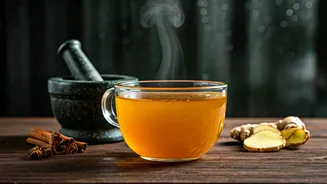
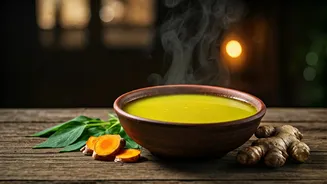
Ready to try it yourself? Here’s a basic, customizable formula for a delicious spiced herbal drink. Start with a liquid base like water, milk, or a plant-based milk. Add your primary functional ingredient—this could be grated fresh ginger, a teaspoon of turmeric powder, or a few tulsi leaves. Next, introduce your warming spices. A cinnamon stick, a couple of crushed cardamom pods, or a few whole cloves work wonders. Let everything simmer gently on low heat for 5-10 minutes; you don't want to boil it aggressively. Finally, strain the liquid into a mug and add a sweetener of your choice, like honey, jaggery, or maple syrup. Feel free to experiment by adding a sprig of mint, a squeeze of lemon, or a pinch of black pepper.