



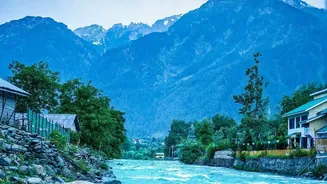
The UNESCO World Heritage Buffer
A significant reason for Tirthan's preservation is its location within the eco-sensitive buffer zone of the Great Himalayan National Park (GHNP), a UNESCO World Heritage Site. This designation comes with strict environmental guidelines and a management
plan focused on conservation. Tourism activities, especially trekking, are regulated to minimize impact. The park's protected status naturally limits large-scale infrastructure development, ensuring the wilderness remains the main attraction, not sprawling concrete resorts. This legal and environmental framework acts as the first line of defense against unregulated commercialization.
A 'Homestay First' Philosophy
Unlike popular hill stations dominated by large hotels, Tirthan Valley's tourism is built around a network of family-run homestays and small, eco-conscious cottages. This model intentionally limits the number of tourists the valley can accommodate at any given time, preventing the surge capacity that leads to overcrowding. More importantly, it fosters a more personal and authentic travel experience. Guests stay with local families, eat home-cooked meals, and engage with the community directly, which is a world away from the anonymous nature of a large hotel chain. This approach ensures that tourism revenue directly benefits local households, giving them a powerful incentive to protect the natural resources their livelihood depends on.
Community-Led Conservation
The local community in Tirthan Valley is not a passive recipient of tourism; it's an active steward. Local bodies like the Tirthan Conservation and Tourism Development Association play a crucial role in shaping the valley's path. Their stated goal is to prevent over-commercialization and maintain the area's unique character. This involves promoting sustainable practices, such as waste management, discouraging loud music and unruly behavior, and encouraging visitors to respect the local culture and environment. By empowering the community, the model ensures that development is slow, considered, and in harmony with conservation goals.
Attracting the Mindful Traveler
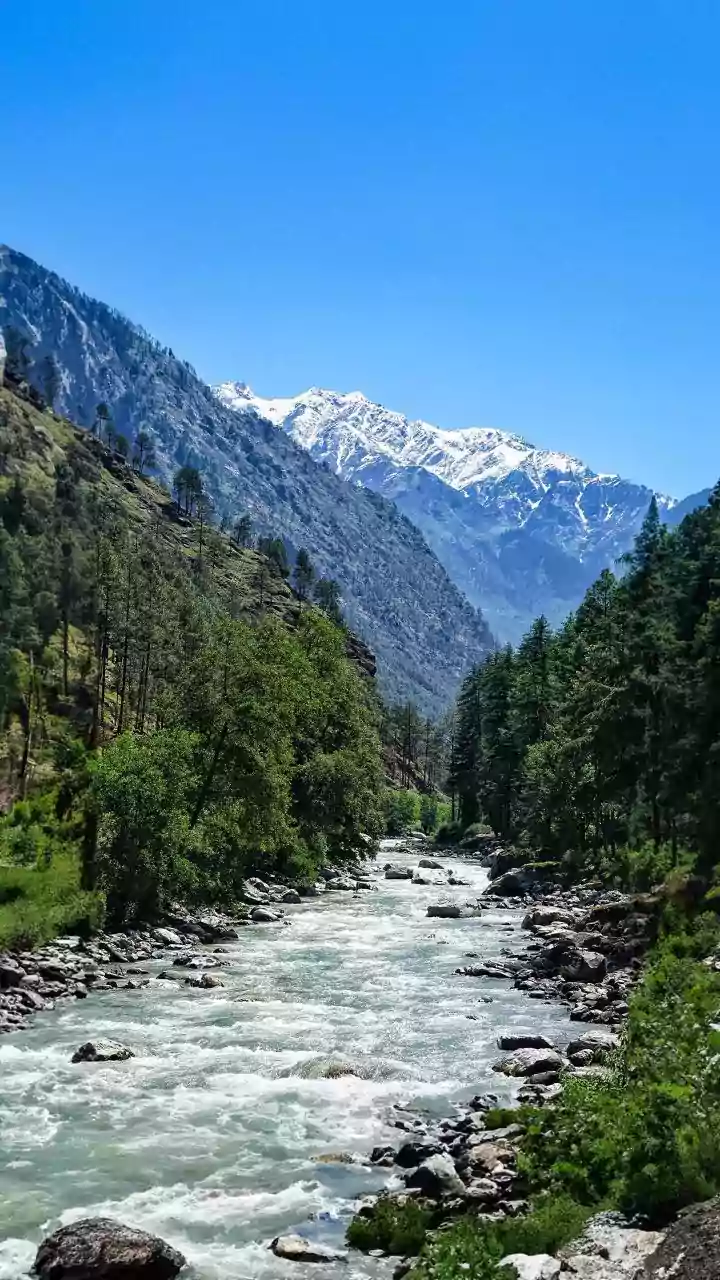
The type of experience Tirthan offers naturally filters its audience. The primary attractions are not mall roads or bustling markets, but trekking, trout fishing, bird watching, and simply relaxing by the pristine river. These activities appeal to nature lovers and slow travelers who seek tranquility over thrill. The valley attracts visitors who are looking to disconnect and immerse themselves in nature, rather than those seeking a party atmosphere. This self-selecting mechanism is powerful; the valley's quiet, nature-first appeal is precisely what protects it from the kind of mass tourism that seeks more commercialized forms of entertainment.
A Conscious Lack of Urban Infrastructure
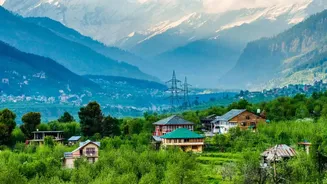
Tirthan Valley's charm lies as much in what it has as what it lacks. There are no large shopping complexes, very few large-scale restaurants, and limited internal public transport. This deliberate lack of urban infrastructure is a key part of its strategy. While it might seem inconvenient to some, it's a conscious choice to keep development small-scale and sustainable. The focus is on preserving the natural landscape, not recreating city comforts in the mountains. This approach maintains the valley's rustic, untouched feel and ensures that its carrying capacity is respected, protecting it from the pressures that have overwhelmed other popular Himalayan towns.