


The Monsoon Mushroom Challenge
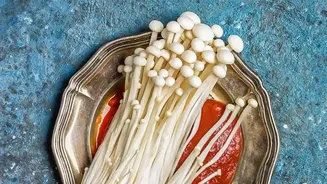
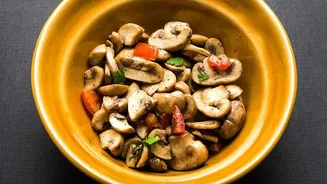
The rainy season in India is prime time for mushrooms. The high humidity and damp soil create the perfect conditions for fungi to flourish, leading to an abundance of both wild and cultivated varieties in local markets. For many, a plate of hot mushroom masala
or soup is the ultimate monsoon comfort food. However, this seasonal boom comes with a catch. The same moisture that mushrooms love also makes them a perfect breeding ground for harmful bacteria and mould. The risk of spoilage increases dramatically in humid weather, turning a delicious ingredient into a potential health hazard if not handled correctly.
The Danger of Wild Mushrooms
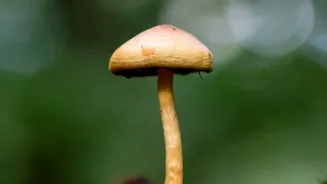
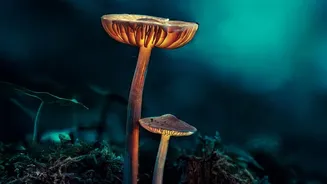
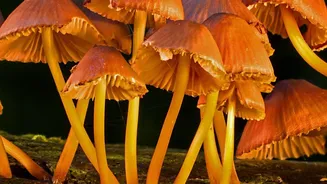
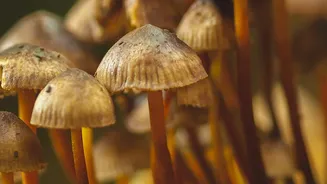
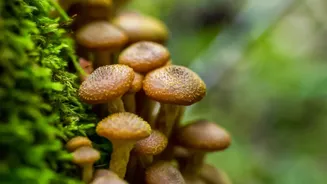
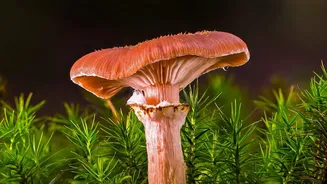
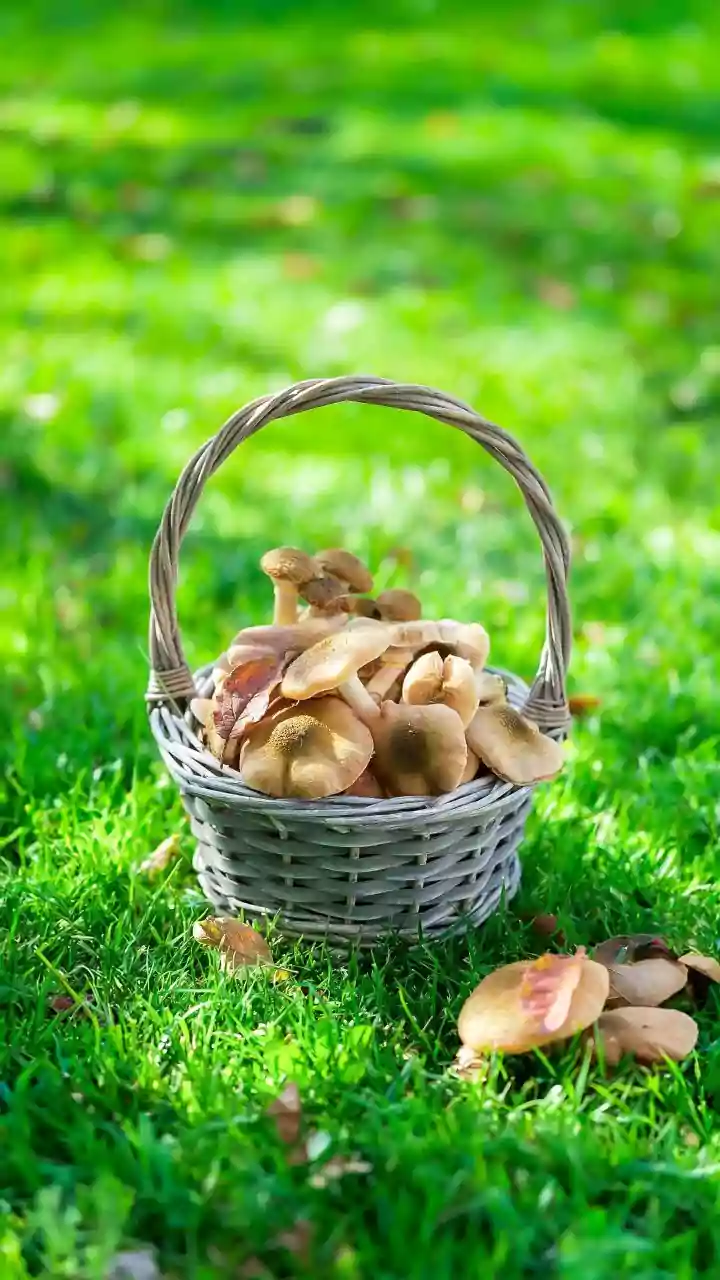
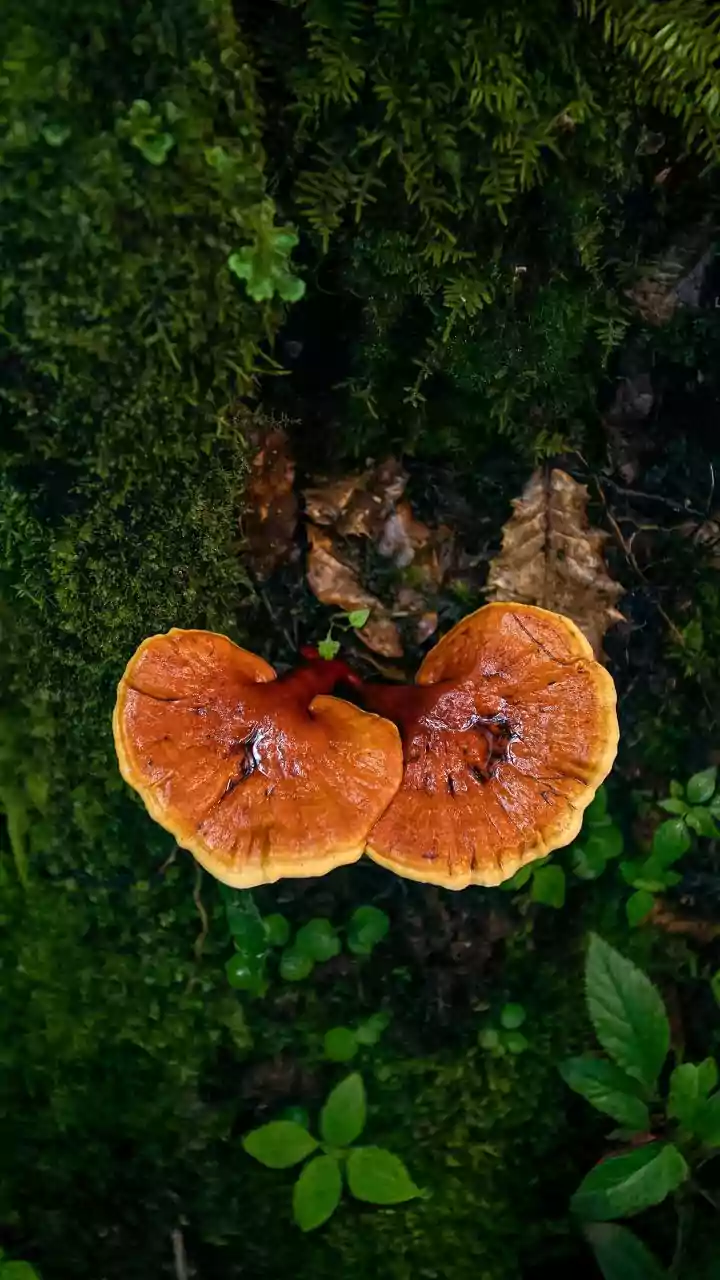
One of the biggest risks during monsoon is the accidental consumption of poisonous wild mushrooms. The season encourages the growth of countless varieties, and it can be incredibly difficult for anyone but an expert to distinguish between edible and toxic types. Many poisonous mushrooms look surprisingly similar to popular edible ones. Symptoms of mushroom poisoning can be severe, including abdominal pain, vomiting, and diarrhoea, and in worst-case scenarios, can lead to liver failure and even death. Health departments often issue advisories during the monsoon, urging people to avoid foraging for or buying wild mushrooms from unverified sellers. It's a simple rule: if you are not 100% certain of a mushroom's identity, do not eat it.
Your Smart Shopping Guide
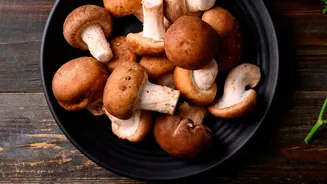
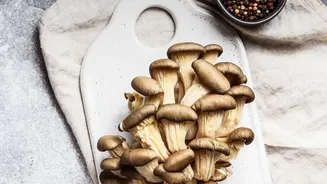
When buying mushrooms, especially during the monsoon, being a vigilant shopper is your first line of defence. Stick to trusted vendors and stores that sell commercially grown mushrooms. When you inspect the mushrooms, look for ones that are firm, dry, and plump. Avoid any that appear slimy, sticky, or have a wet film, as this is a primary sign of decay and bacterial growth. Other red flags include dark, soft spots, a wrinkled or shrivelled appearance, and a spongy texture. If the mushrooms are pre-packaged, avoid containers that are shrink-wrapped tightly, as this traps moisture and speeds up spoilage. A container with small holes that allow for air circulation is a much better choice.
Proper Storage and Handling at Home
Once you bring your mushrooms home, proper storage is key to keeping them fresh and safe. The biggest enemy to mushroom longevity is moisture. Do not store them in a sealed plastic bag, which will trap moisture and turn them slimy quickly. The best way to store fresh, unwashed mushrooms is in a paper bag in the main compartment of your refrigerator. This allows them to breathe and lets the paper absorb any excess moisture. Only wash your mushrooms right before you are about to cook them. Washing them earlier and then storing them will make them absorb water, become soggy, and spoil faster.
Cooking for Maximum Safety
Cooking mushrooms thoroughly is another essential safety step, as it helps kill off any potential surface bacteria. Never eat commercially grown mushrooms raw, especially during the monsoon when the risk of contamination from handling and water is higher. Before cooking, give them a quick rinse under cool water and pat them dry with a paper towel. Soaking them is not recommended as they can absorb too much water. After cleaning, ensure they are cooked well. Adding them to hot soups, stews, or a well-cooked sabzi are great ways to enjoy them safely. If a mushroom looks or smells off at any point, even after buying the freshest ones, trust your instincts and discard it.