

The Undisputed Classic: Dry Garlic Chutney
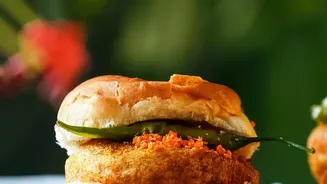
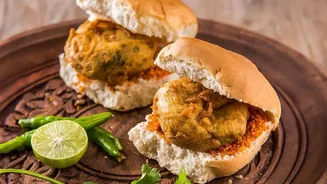
The foundation of a quintessential Mumbai vada pav experience is the 'shengdana lasun chutney', or dry garlic chutney. This isn't a wet paste but a fiery, coarse powder made from garlic, roasted peanuts, desiccated coconut, and red chilli powder. It’s
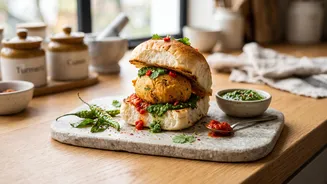
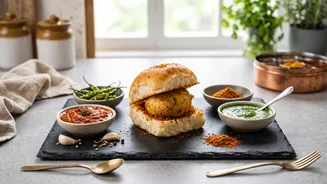
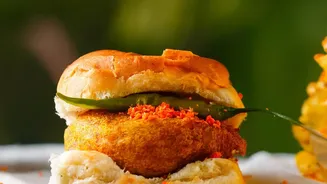
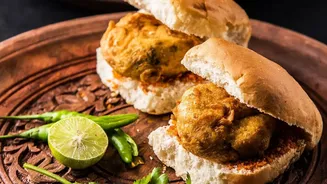
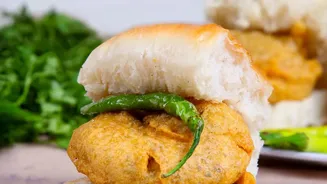
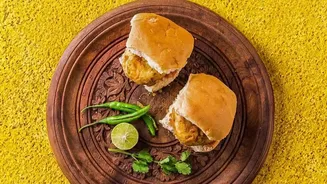
generously sprinkled inside the soft pav before the hot vada is pressed in. This chutney provides a pungent, spicy, and slightly nutty kick that defines the traditional taste. For purists, a vada pav isn't complete without this iconic red powder, often accompanied by a fried green chilli on the side for an extra layer of heat.
The Trifecta: Adding Green and Tamarind Chutneys
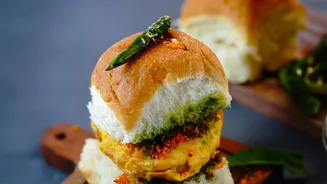
While dry garlic chutney is standard, many vendors and enthusiasts embrace a trio of flavours. This involves slathering the pav with a fresh, spicy green chutney (coriander, mint, chillies) and a sweet and tangy tamarind chutney ('imli' or 'meetha' chutney). The combination creates a complex flavour profile: the heat from the green chutney, the sweetness from the tamarind, and the garlicky punch from the dry powder all mingling with the savoury potato vada. This version is particularly popular in regions outside Mumbai, like Delhi, and for those who prefer a saucier, multi-layered experience.
The Crunchy Element: All About the 'Choora'
For many aficionados, texture is as important as taste. This is where 'choora' comes in. Choora consists of the crispy, fried droplets of gram flour (besan) batter left over from frying the vadas. These crunchy bits are collected and generously added into the pav along with the chutneys and the vada. This simple addition provides a delightful crunch that contrasts with the soft pav and the pillowy vada, adding another dimension to every bite. It’s a zero-waste innovation from street vendors that has become a beloved component of the perfect vada pav.
The Modern Makeover: Cheese and Schezwan
As palates evolve, so does the vada pav. Two of the most popular modern variations are the Cheese Vada Pav and the Schezwan Vada Pav. The cheese version often involves placing a slice of processed cheese on the vada, which melts from the heat, adding a creamy, gooey richness that cuts through the spice. The Schezwan vada pav, on the other hand, incorporates a fiery, tangy Indo-Chinese Schezwan sauce, giving the snack an entirely different, umami-rich flavour profile. Some stalls even offer a grilled version of these, pressing the entire sandwich on a hot tawa with butter for a crispy exterior.
Beyond the Vada: When the Filling Changes
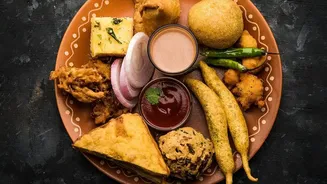
The spirit of vada pav has inspired other creations that use the same pav-and-chutney format. Instead of the traditional potato vada, you might find a 'samosa pav', where a whole samosa is crushed into the bun. Similarly, 'bhaji pav' features different types of fritters, like onion or mixed vegetable bhajis. More recent innovations include the Paneer Vada Pav, which uses a spiced cottage cheese patty, and even a Chicken Vada Pav for non-vegetarians, which uses a minced chicken patty, sometimes called a 'shami'. There's also a Jain version that uses raw banana instead of potato to adhere to dietary restrictions.