




The New Sweet Revolution
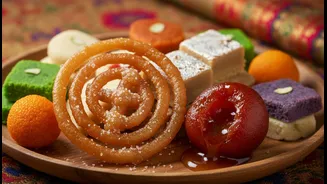
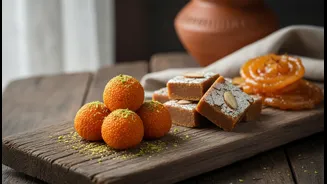
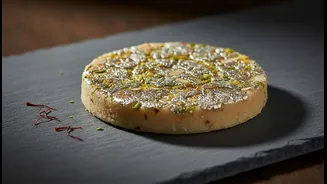
For generations, Indian mithai has been a symbol of celebration, love, and tradition. The familiar comfort of a warm gulab jamun or a perfectly crafted barfi is woven into the country's cultural fabric. Yet, a quiet but delicious revolution is underway.
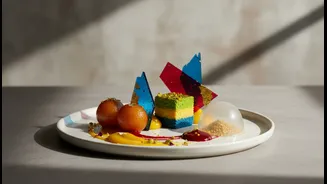
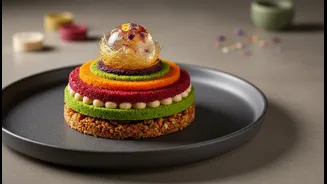
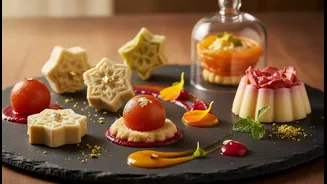
Across India, chefs are looking at these beloved classics not as untouchable relics, but as a vibrant launchpad for creativity. They are deconstructing, reimagining, and reinventing what an Indian dessert can be, moving beyond the perception of cloying sweetness to create desserts that are balanced, technically precise, and visually stunning. This isn't about replacing tradition, but about honouring it with fresh eyes and innovative techniques.
Global Techniques, Indian Soul
Much of this innovation comes from chefs who have trained in European kitchens and are now applying classical techniques to Indian flavours. Think of a gajar halwa tart with the delicate finish of a Parisian patisserie, or a cardamom crème brûlée that marries French technique with a quintessential Indian spice. Pastry chefs like Tejasvi Chandela, who trained at Le Cordon Bleu in Paris before opening her own establishment in Jaipur, exemplify this trend. She marries traditional Indian mithai with European methods, creating hybrid marvels like a Patisa au citron choux, which combines the flaky Indian sweet Soan Papdi with a classic French choux pastry. This fusion preserves the nostalgic core of Indian flavours while presenting them in a new, global language.
Deconstructing the Classics
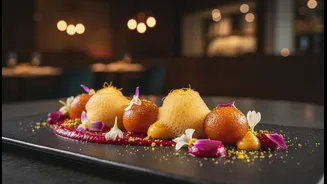
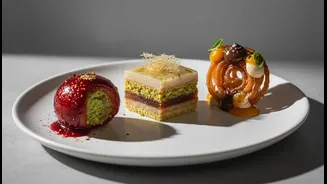
One of the most exciting aspects of this movement is the deconstruction of familiar desserts. Chefs are breaking down classics to their essential components—flavour, texture, and temperature—and reassembling them in surprising new forms. You might find a gulab jamun cheesecake, where the beloved sweet is nestled inside a creamy cheesecake, or a deconstructed motichoor parfait, layering the laddoo crumbles with whipped cream in an elegant glass. Restaurants like Tresind in Mumbai focus on creating experiences through varied textures and temperatures in a single dish. This approach allows for greater balance, often reducing sweetness and highlighting the nuanced flavours of ingredients like saffron, pistachio, and rose in ways that feel both new and deeply familiar.
More Than Just a Treat
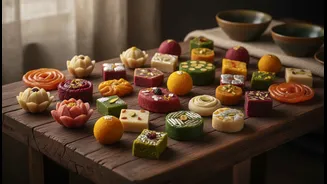
This new generation of Indian desserts is also about elevating the entire experience. Presentation is paramount, with many sweets resembling edible art. Brands like Bombay Sweet Shop and Khoya have built their identity on this blend of nostalgia and novelty, offering treats like Kaapi Paak (coffee-flavoured Mysore pak) or even Nutella pedas in beautifully designed, gift-worthy packages. This shift reflects a change in consumer tastes, with diners seeking not just a sugar rush but a memorable culinary moment. The sweets are often served in smaller, bite-sized portions, encouraging mindful indulgence and allowing people to sample multiple flavours. It's a move that positions Indian mithai on par with gourmet chocolates or French macarons.