


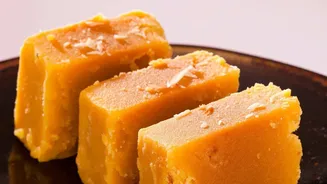
The festive lights may have dimmed, but the craving for comfort lingers. Besan ka Sheera, with its rich aroma and grainy texture, is the perfect post-Diwali indulgence. The secret to this classic dessert lies in two simple but crucial steps.
The Soul of Sheera: Roasting Besan
The most critical
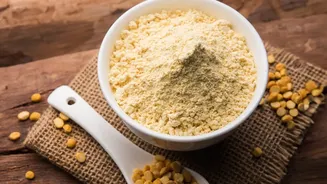
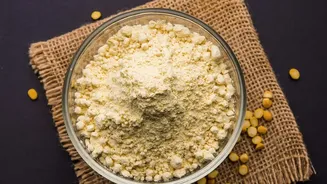
step in making a memorable besan ka sheera is roasting the gram flour, or besan. This is not a process to be rushed. Roasting on a low, steady flame is essential; high heat will scorch the flour, leaving it with a bitter taste while still tasting raw. The goal is to cook it slowly and evenly in ghee. As you stir continuously, the besan will transform. It starts as a dense paste and gradually loosens as the ghee is released. Your nose is your best guide: the raw, beany smell will give way to a deeply nutty and comforting aroma that fills the kitchen. Visually, the colour will change from a pale yellow to a uniform golden brown. Patience here is non-negotiable, as this step single-handedly determines the final flavour and depth of the sheera.
The Ghee-to-Flour Balance
Don't be shy with the ghee. In traditional Indian sweets, and especially in besan sheera, ghee is not just a cooking medium; it's a key structural and flavour component. Using a sufficient amount ensures the besan roasts evenly without sticking or burning. It also contributes to the final glossy, rich finish, preventing the sheera from feeling dry or sticking to the roof of your mouth. While recipes vary, many successful versions use a quantity of ghee that is nearly equal to the amount of besan by weight or volume. This generous measure facilitates the perfect roast and results in a sheera that is smooth, rich, and feels truly indulgent.
Mastering the Final Texture
Achieving the perfect texture—often described as grainy yet smooth—happens when the liquid is introduced. A common mistake that leads to lumps is adding cold liquid to the hot besan mixture. To avoid this, always use warm milk, water, or a combination of both. Pour the warm liquid in a slow, steady stream while whisking or stirring vigorously with your other hand. The mixture will bubble and steam intensely, so be careful. Continue stirring as the besan absorbs the liquid and the sheera begins to thicken, pulling away from the sides of the pan. This constant motion is what prevents lumps and creates that desirable, soft, and slightly granular consistency.
Sweetness, Spice, and Garnish
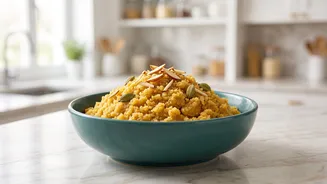
Sugar should be added after the besan has been fully cooked with the liquid. Adding it too early can interfere with the roasting and thickening process. Once the sheera has come together, stir in the sugar and cook for a few more minutes until it dissolves completely and the sheera becomes glossy. This is also the time to introduce aromatic spices like cardamom powder, which is a classic pairing. Finally, garnishes are not just for show; they add a delightful textural contrast. Chopped almonds, pistachios, or cashews provide a welcome crunch against the soft pudding. For an even richer flavour, some cooks lightly fry the nuts in a little ghee before adding them.
Common Pitfalls to Avoid
Three common errors can derail your sheera-making. First, rushing the roast on high heat, which guarantees a raw, unpleasant taste. Second, not using enough ghee, which results in a dry and pasty final product. Third, adding cold liquid, the primary cause of lumpy sheera. By focusing on a patient, low-heat roast, using ample ghee, and incorporating warm liquid while stirring constantly, you can easily avoid these issues and produce a perfect besan ka sheera every time. This comforting sweet is a testament to how simple ingredients can create something extraordinary with just a little care and attention.