








The Lure of 'Premium' and Its Pitfalls
The travel card market is flooded with premium credit cards flashing tempting offers: airport lounge access, reward points, and travel insurance. For a seasoned business traveller, these cards can offer tremendous value. But for a young person—a student
or someone early in their career—they often come with a catch. High annual fees, sometimes running into thousands of rupees, can eat into a limited travel budget before you even book a flight. Moreover, unlocking the best rewards often requires meeting high spending thresholds that a budget-conscious traveller is unlikely to reach. Using a credit card for cash withdrawals abroad is another major pitfall, attracting hefty cash advance fees and high interest rates from the moment of withdrawal.
Redefining 'Simple' for Smart Travel
So, what does the “simplest” and best card for a young traveller look like? The answer lies in transparency and low costs. The ideal card is not about accumulating points, but about saving actual money. The most critical feature is a zero or near-zero foreign exchange (forex) markup fee. Traditional bank debit and credit cards typically charge a markup of 2.5% to 3.5% on every international transaction. On a trip where you spend ₹1,00,000, that’s up to ₹3,500 straight to the bank, plus GST. The simplest card eliminates this fee, ensuring you get an exchange rate very close to the real one. Other pillars of simplicity include no joining or annual fees, the ability to load funds instantly via UPI, and easy management through a mobile app.
The Solution: Zero-Markup Debit Cards
The real game-changer for young Indian travellers has been the rise of fintech-powered debit cards that offer zero forex markup. Brands like Niyo have led this charge. These cards function as regular savings accounts where you load Indian Rupees, often with no minimum balance requirement. When you swipe the card abroad, the conversion happens automatically at the live Visa or Mastercard rate without the punishing 3.5% bank markup. This makes them incredibly cost-effective for point-of-sale transactions and online purchases. For a generation comfortable with digital banking, the ability to top up the account instantly via UPI and manage all settings from an app is a huge advantage over traditional, cumbersome forex cards.
How They Compare to Traditional Forex Cards
For years, prepaid forex cards were the standard advice for travellers. You would load a specific foreign currency (like USD or EUR) before your trip, locking in the exchange rate. This provides protection against currency fluctuations, which can be useful for long-term students or those with a very fixed budget. However, they lack flexibility. If you travel to a country with a different currency, you might face cross-currency charges. Reloading them from abroad can be slow and difficult, and any unspent money needs to be converted back to rupees, often at a less favourable rate. In contrast, modern zero-markup debit cards are rupee-based, meaning they can be used in any country and the leftover balance is simply your money in your savings account, ready to be used back home.
Building Your Simple Travel Wallet
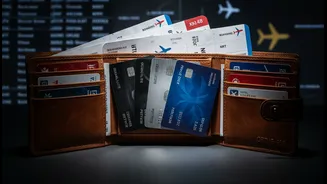
While a zero-markup debit card is a powerful primary tool, it’s wise to have a backup. Since these are debit instruments, some high-end hotels or car rental agencies may prefer a credit card for placing a security deposit hold. A no-annual-fee credit card can serve this purpose without blocking your actual cash. For cash withdrawals, be mindful of the fees. Even zero-markup cards often have a flat fee for international ATM withdrawals, which can be around ₹200-₹400 per transaction. Therefore, it’s best to withdraw larger amounts less frequently. The ideal, simple wallet for a young traveller consists of a zero-markup debit card for all primary spending, a basic credit card for security deposits, and a small amount of cash for emergencies.