
More Than Just a Fashion Statement
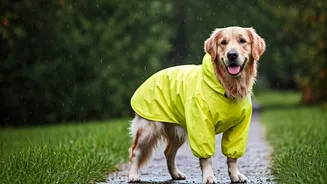
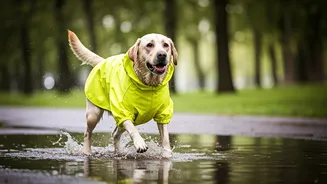
While a dog in a tiny neon jacket is undeniably cute, a good raincoat serves several practical purposes beyond style. First and foremost is hygiene. A waterproof coat prevents your dog from getting soaked in muddy, dirty rainwater, which means a much
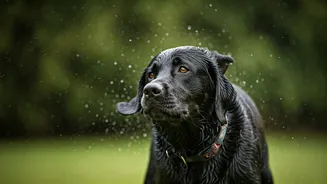
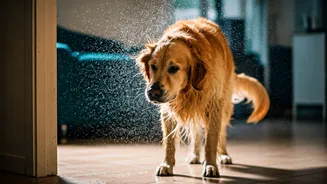
cleaner and easier post-walk routine for you. No more wrestling with a wet towel and a soggy dog who wants to shake water all over your furniture. More importantly, it’s about comfort and health. Some dogs, particularly those with short hair, single coats, or low body fat, get cold easily. A raincoat provides a crucial layer of insulation against chilly winds and rain. For dogs with thick double coats, the issue isn't the cold but the sheer time it takes for them to dry. A persistently damp coat can lead to skin irritations, fungal infections, and that lingering “wet dog” smell. A raincoat keeps their fur mostly dry, protecting their skin and overall well-being.
Choosing the Perfect Fit and Fabric
Not all raincoats are created equal. When shopping for your furry friend, the three most important factors are material, fit, and functionality. Look for materials that are genuinely waterproof, not just water-resistant. Fabrics like PVC, vinyl, or coated nylon offer the best protection. However, ensure the material is also lightweight and breathable. A heavy, non-breathable coat can become uncomfortable and cause your dog to overheat, even in the rain. Fit is critical. A coat that’s too tight will restrict movement and be uncomfortable, while one that’s too loose can get tangled or fail to provide adequate coverage. Before you buy, measure your dog’s neck girth, chest girth (the widest part of their ribcage), and back length (from the base of the neck to the base of the tail). Compare these measurements to the brand's sizing chart. A good fit allows for full range of motion in the legs and doesn’t chafe under the arms. Velcro straps or adjustable buckles are excellent features for customising the fit.
The Safety of Bright Neon Hues
The trend towards bright neon colours—electric yellows, vibrant pinks, and glowing oranges—is about more than just making a statement. It’s a major safety feature. Visibility drops significantly during heavy rain and on overcast days, both for pedestrians and drivers. A brightly coloured raincoat makes your dog much more visible, reducing the risk of accidents, especially during early morning or evening walks. Many modern dog raincoats also incorporate reflective strips or piping. These elements catch and reflect light from headlights and streetlamps, making your dog stand out even in low-light conditions. When your dog’s safety is a priority, choosing the brightest, most eye-catching option is always the smartest move. It turns your pet into a little beacon of visibility, ensuring they are seen by cyclists, motorists, and other pedestrians.
A Guide to Raincoat Acceptance
The claim that all canines *love* raincoats might be a stretch; many need some encouragement. A dog who has never worn clothing might be suspicious of this strange new garment. The key is to introduce it slowly and positively. Don’t just force it on them moments before a walk. Start by letting your dog sniff the raincoat. Leave it on the floor for them to investigate. Reward them with a treat for showing calm curiosity. Next, drape it over their back for a few seconds, offering praise and another treat. Gradually increase the duration. Once they are comfortable with that, try fastening the straps, but keep it loose. Let them wear it around the house for a few minutes while you play with them or give them their favourite chew toy. The goal is to create a positive association. By the time you head out for a walk, they should see the raincoat as a happy precursor to an exciting outing, not a punishment.