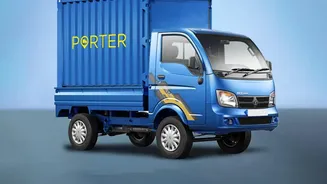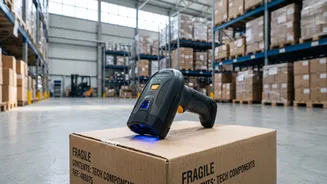







This festive season, as millions of clicks turn into neatly packed boxes at your doorstep, the real story isn't just about discounts. It's about a fundamental shift in India's economic geography, as the e-commerce boom moves beyond the metros.
The New Epicentres of Festive Hiring
The annual
festive job surge, a reliable engine of temporary employment, is no longer just a metropolitan story. This year, e-commerce and logistics companies are creating a significant chunk of their seasonal jobs—numbering in the hundreds of thousands—in Tier-2 and Tier-3 cities. Staffing firms report that hiring demand in these smaller markets is growing at nearly double the rate of metros. Cities like Jaipur, Lucknow, Coimbatore, Indore, and Gorakhpur are emerging as crucial hubs for festive hiring. For instance, Amazon India announced over 160,000 seasonal opportunities across 400 cities, with a strong focus on these smaller urban centres. Similarly, Flipkart is generating over 250,000 direct and indirect roles, with a large portion dedicated to strengthening its network beyond the big cities. This isn't a minor change; it's a strategic pivot, with nearly 45% of the entire festive workforce demand now originating from non-metro areas.
Why the Strategic Shift to Smaller Cities?
Several factors are driving this geographic realignment. Firstly, the customer is there. E-commerce platforms are seeing explosive growth in orders from non-metro regions, which now account for the majority of demand during sale events. Secondly, it’s about speed. To meet customer expectations for faster deliveries, companies need to be physically closer to them. The old model of shipping everything from a few massive warehouses near big cities is becoming inefficient. By establishing smaller fulfilment centres, sorting hubs, and last-mile delivery stations in Tier-2 and Tier-3 towns, companies can reduce shipping times and costs. Thirdly, operational costs for real estate and labour are considerably lower in these cities compared to saturated metro markets, making expansion economically attractive. This strategic decentralisation is not just about managing the festive rush but building a resilient, long-term supply chain.
A Different Kind of Job Boom
The job creation in these towns goes beyond the visible last-mile delivery partners. While delivery roles do make up a huge portion—around 60% of Flipkart's new opportunities, for example—the ecosystem requires a much wider range of skills. Thousands of jobs are being created within fulfilment centres for picking, packing, and sorting. There's also a rising demand for workers in customer service, operations management, and even white-collar gig roles for functions like digital marketing and data support during the festive peak. This hiring spree is also becoming more inclusive, with companies like Amazon creating opportunities for women and persons with disabilities within their operational network. Many of these roles are entry-level, providing crucial first-time employment for a large number of young people in these regions.
Rewiring India's Logistics Network
This shift in focus demands a complete rewiring of India's logistics infrastructure. Companies are moving from a centralised 'hub-andspoke' model to a more distributed network of smaller facilities. Amazon has been aggressively expanding its operational network with new fulfilment centres and nearly 150 new last mile delivery stations, many in smaller cities. Flipkart is adding over 900 new delivery hubs to specifically cater to non metro demand. The rise of 'quick commerce' is accelerating this, requiring a dense network of 'dark stores'—small city based warehouses—to enable 10 minute deliveries. This expansion requires immense investment in local infrastructure and technology, from AI driven route optimisation to warehouse automation, fundamentally changing how goods move across the country.
More Than Just a Festive Trend
While the festive season shines a spotlight on this trend, the underlying shift is permanent. The growing purchasing power and digital fluency of consumers in smaller cities represent a long term market opportunity that e commerce players cannot ignore. The infrastructure being built and the local talent being trained for the festive peak will continue to serve these markets throughout the year. However challenges remain. Infrastructure in some smaller towns can be patchy, and there is a need for continuous skill development to move temporary workers into more permanent higher value roles. But the direction is clear: the economic energy of Indian e commerce is diffusing spreading opportunities and creating new consumption centres far from the traditional commercial hubs.