








The End of an Era for Spontaneous Trips
For years, Thailand was the go-to destination for a quick, unplanned escape. That effortless travel was possible thanks to a visa-free scheme for Indian passport holders that ran from mid-2024 until May 2026. However, that policy has now officially ended.
As part of a broader overhaul of its immigration rules, Thailand has moved India back to the Visa on Arrival (VoA) category. This means that while you can still get a visa when you land, the process now involves more scrutiny and, crucially, a lot more paperwork. The 15-day VoA stamp requires you to prove your entire trip is planned out, effectively ending the era of just showing up with a passport and a dream.
The THB 20,000 Cash Question
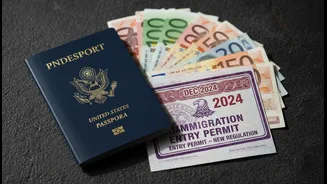
Perhaps the most significant change for last-minute planners is the new proof of funds requirement. Under the Visa on Arrival rules, Indian travellers may be asked by immigration officers to show they are carrying sufficient funds for their stay. The advisory issued by the Indian Embassy in Bangkok specifies a minimum of 20,000 Thai Baht per person, which is approximately ₹58,000. Crucially, authorities expect this to be in cash. While these checks may be random, not having the cash on hand if asked could lead to significant issues, including being denied entry. This rule alone makes spontaneous travel difficult, as it requires a significant cash withdrawal and currency exchange before you even head to the airport.
Your New Pre-Flight Document Checklist
The days of travelling light on documents are over. To ensure a smooth entry, you now need a folder of paperwork ready for inspection. First, your passport must have at least six months of validity from your date of arrival in Thailand. You will also need confirmed return or onward flight tickets to prove you intend to leave the country within the permitted 15-day VoA period. Alongside flights, you must present proof of accommodation for your entire stay, meaning all your hotel bookings need to be made in advance. Finally, authorities also require a clear travel itinerary, outlining your plans while in the country. Essentially, your trip must be fully planned and documented before you board your flight.
Don't Forget the Digital Arrival Card
Adding another layer to the pre-travel checklist is the mandatory Thailand Digital Arrival Card (TDAC). This is an online form that all foreign travellers must complete before entering the country. It needs to be filled out within 72 hours of your arrival time via the official Thai Immigration website. Once you submit the form, you will receive a QR code. This code must be saved on your phone or printed out, as you will need to present it to immigration officers upon landing. It’s a straightforward but essential step that cannot be overlooked in your last-minute rush.
Why the Sudden Shift?
These stricter measures are part of a wider strategic shift by the Thai government. The immigration overhaul, approved in May 2026, was driven by a desire to tighten border security and curb the misuse of tourist visas. Officials cited concerns about foreign nationals working illegally or engaging in criminal activities while on tourist entries. By requiring more documentation and proof of funds, Thailand aims to attract what it calls "quality tourism"—genuine visitors with clear and legitimate travel plans. While it adds hurdles for travellers, the move is intended to make the country safer and better regulated for everyone.