

What Exactly is an Olla?
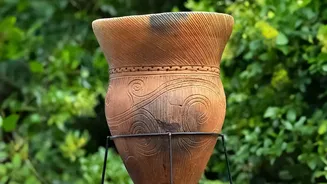
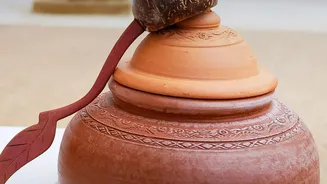
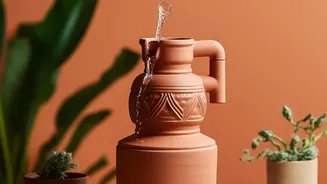
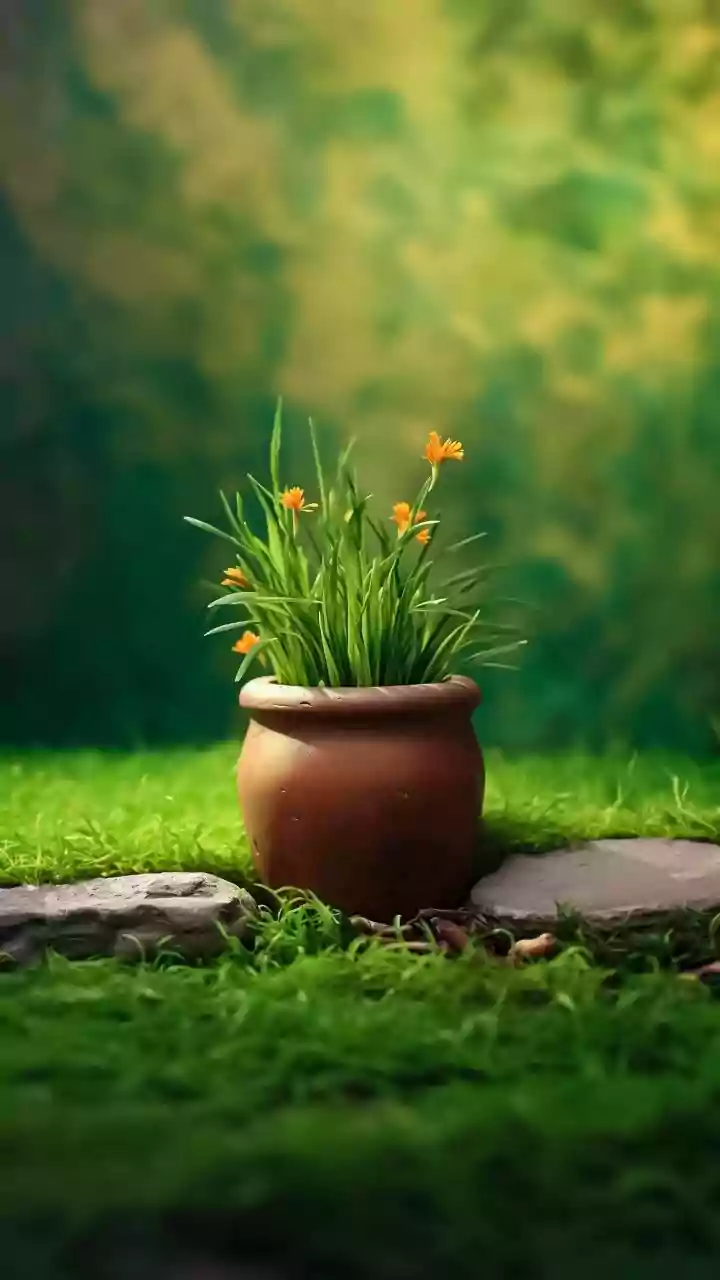
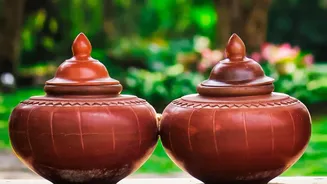
An olla, pronounced ‘oy-ah’, is an unglazed, porous clay pot used for irrigation. With a history stretching back thousands of years to places like North Africa, China, and the Americas, it's one of the oldest and most efficient watering methods known.
The concept is brilliantly simple: the pot is buried in the soil with only its neck exposed, filled with water, and covered with a lid. From there, natural physics takes over, delivering water directly where plants need it most, with minimal effort from the gardener.
The Science of Seepage: How It Works
The magic of the olla lies in its porous walls and a process called soil moisture tension. Because the terracotta is unglazed and low-fired, its surface is filled with minuscule holes. Water doesn't just pour out freely. Instead, it is slowly drawn through these pores by the suction force of dry soil and thirsty plant roots. When the soil around the olla is dry, it ‘pulls’ water out. When the soil is moist, for instance after a rain shower, the water stays inside the pot. This creates a self-regulating system where the plant gets exactly the amount of water it needs, precisely when it needs it.
Hydrating the Deep Root Zone
This is where ollas truly outperform surface watering. When you water a pot from the top, much of the water can evaporate or run down the sides of the container, often encouraging shallow root growth. An olla, being buried in the soil, releases water directly into the deeper layers. This encourages plant roots to grow downwards, towards the consistent water source, creating a stronger, more resilient root system. A dense mat of roots will often form around the pot, showing how effectively the system targets the active root zone. This deep watering is crucial for plant health, especially in containers that can heat up and dry out quickly.
Perfect for Potted Balcony Gardens
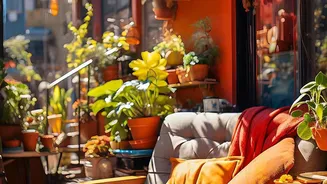
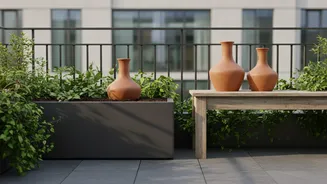
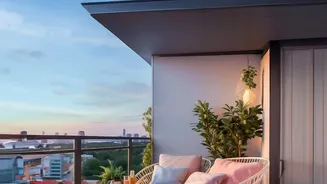
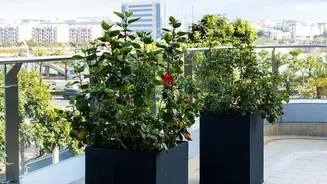
Balcony and rooftop gardens face unique challenges, including increased wind and heat, which cause pots to dry out brutally fast. Ollas are an ideal solution for these environments. They deliver water underground, completely bypassing the issue of surface evaporation that wastes so much water in exposed, sunny spots. For container gardening, using an olla means more stable moisture levels, preventing the stressful wet-dry cycles that can harm plants. It takes the guesswork out of watering; you simply keep the olla filled, and the plant takes care of the rest. This is a significant advantage for busy urban gardeners or those who travel.
More Than Just Water Savings
While water conservation of up to 70% is a major benefit, the advantages of using an olla don't stop there. Because the soil surface remains relatively dry, it can help suppress the growth of weeds. Keeping foliage dry also reduces the risk of fungal diseases that thrive in damp conditions. Plants watered with ollas often show more vigorous growth and higher productivity because they aren't stressed by inconsistent moisture. This consistent hydration can even prevent problems like splitting in tomatoes or bitterness in leafy greens.