





The Initial Promise: A Simple Recipe for Success
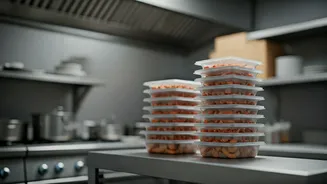
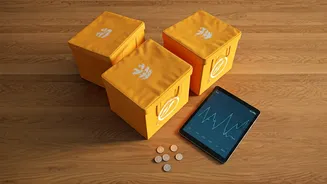
Cloud kitchens, also known as ghost or dark kitchens, were built on a tempting premise: restaurant-quality food without the restaurant. The model involves preparing food exclusively for delivery, with no dining area or front-of-house staff. The appeal
was obvious. Entrepreneurs could save massively on rent by operating from non-prime locations and avoid the high costs of customer-facing infrastructure. With lower setup costs, often ranging from ₹10-25 lakhs, the break-even timeline seemed much shorter than the 2-3 years required for a traditional restaurant. This asset-light model, combined with booming demand on delivery apps like Swiggy and Zomato, created a gold rush, with projections showing the Indian market growing to nearly USD 3.7 billion by 2034.
The Reality Check: Crippling Platform Commissions
The single biggest challenge that has come to define the cloud kitchen struggle is the heavy dependence on food aggregator platforms. While Swiggy and Zomato provide access to a massive customer base, they do so at a steep price. Commissions can range from 20% to as high as 40% of the order value. For a business with already thin margins, this is often crippling. For example, on a ₹400 order, a platform might take ₹80-120 before the kitchen even accounts for its own costs. This dependency creates a situation where kitchens are in a constant battle for profitability, with a significant chunk of their revenue going directly to the aggregators who control their visibility and order flow.
The Myth of Low Overheads
The promise of low overheads often turns out to be a mirage. While operators save on front-of-house expenses, other costs quickly pile up. One major expense is marketing. On a crowded app with hundreds of options, a new cloud kitchen is virtually invisible. To stand out, operators have to spend heavily on platform ads, sponsored listings, and discounts, which further erodes margins. Then there's the cost of packaging, which must be robust enough to ensure food travels well. Furthermore, operators who run multiple virtual brands from one kitchen find that complexity and waste can increase, and quality control becomes a major challenge. Studies have shown that a high percentage of cloud kitchens, between 25-30%, shut down within their first year, largely because these unexpected costs make the business unsustainable.
A Crowded Digital Food Court
The low barrier to entry, once seen as a strength, has led to intense market saturation. The ease of setting up a kitchen means that for every successful biryani or pizza brand, dozens of copycats appear overnight. This flood of new entrants creates a hyper-competitive environment where price becomes the main differentiator. Operators are forced into a race to the bottom, offering steep discounts to attract customers, which ultimately makes it impossible to build a sustainable business. Without a physical storefront to build brand recognition, it's also incredibly difficult to foster customer loyalty. The customer's relationship is with the delivery app, not the kitchen, making repeat business a constant challenge.
The Path to Profitability: What Survivors Are Doing
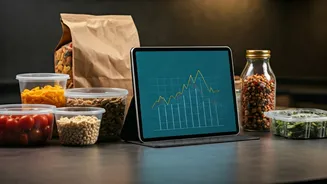
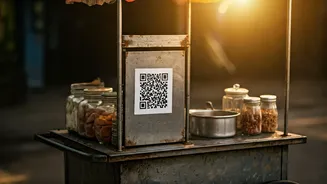
Despite the challenges, some cloud kitchens are finding a way to succeed. The operators who survive are the ones who understand the unit economics deeply and adapt quickly. A key strategy is reducing dependency on aggregators by building direct ordering channels, such as through WhatsApp or a dedicated website. Shifting even 20-30% of orders to direct channels can significantly boost profitability by avoiding hefty commissions. Successful kitchens also focus on operational excellence: they maintain a tight, focused menu to control food costs, use data to predict demand, and obsess over packaging and delivery times to build a loyal following. Instead of launching multiple brands at once, they perfect one concept and build a strong brand identity before expanding.