



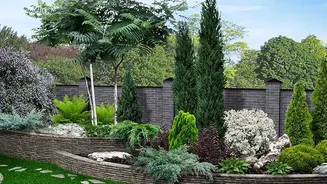
More Than Just Saving Water
The conversation around low-water gardening, often called xeriscaping, is changing. While its ability to slash water consumption by up to 75% is a major benefit, the movement is now being driven by a broader set of desires. Gardeners are discovering that
this approach leads to lower maintenance, greater resilience in a changing climate, and a unique, vibrant aesthetic. The new appeal is not about sacrifice but about creating smarter, more sustainable, and often more interesting outdoor spaces. This shift is moving water-wise planting from a niche practice for arid regions into the mainstream, applicable even in areas with regular rainfall.
Rethinking Garden Beauty
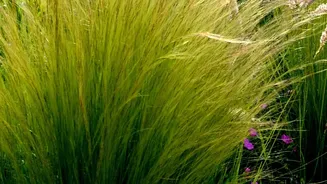
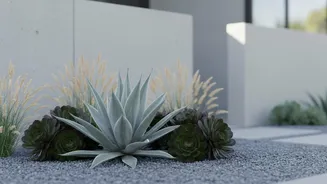
A common misconception is that a low-water garden is a barren landscape of rocks and cacti. The reality is far more lush and diverse. The principles of xeriscaping focus on creating beauty through texture, form, and colour, using plants that are naturally suited to the environment. Think of the silvery foliage of Russian sage, the striking architecture of ornamental grasses, or the vibrant blooms of native perennials like coneflowers. These gardens create a strong sense of place and offer year-round visual interest. It’s a move away from water-hungry lawns and towards layered, dynamic plantings that support local wildlife and offer a more complex, natural beauty.
Start with Your Soil
The secret to a successful low-water garden isn't just the plants you choose—it's the ground they grow in. Healthy soil is the foundation of water efficiency. Before you plant, it’s crucial to improve your soil’s ability to retain moisture. Adding organic matter like compost is the single most effective step. Compost helps sandy soil hold more water and improves drainage in heavy clay soil, creating a balanced medium where roots can grow deep and strong. Deep roots are better able to find moisture during dry spells, making plants more resilient and less dependent on frequent watering.
Choose Plants That Belong
The mantra of water-wise gardening is "right plant, right place." Instead of fighting your climate, embrace it by choosing plants that are naturally adapted to your local conditions. Native plants are the perfect choice, as they have evolved to thrive in your region's rainfall patterns, soil types, and temperature extremes. They require less water, fertilizer, and pest control once established. Furthermore, native plants provide essential food and habitat for local birds, bees, and butterflies, turning your garden into a functioning part of the ecosystem. When planning, group plants with similar water needs together—a practice called hydrozoning—to make your watering even more efficient.
Water Smarter, Not Harder
In a water-wise garden, how you water is as important as how often you water. The goal is to water deeply but infrequently. This encourages plants to develop deep, robust root systems that are more drought-resistant. Light, frequent sprinkling only encourages shallow roots. The best time to water is in the early morning to minimize evaporation. For maximum efficiency, use drip irrigation or soaker hoses that deliver water directly to the plant's root zone, avoiding waste from runoff or evaporation that occurs with overhead sprinklers. This targeted approach can ensure up to 90% of the water reaches your plants.
The Power of Mulch
Mulching is a gardener's best friend, especially in a low-water landscape. Applying a layer of organic mulch, such as bark chips, shredded leaves, or compost, over the surface of your soil has multiple benefits. It significantly reduces water evaporation from the soil surface, suppresses weed growth that competes for moisture, and moderates soil temperature, keeping roots cooler in the heat. As organic mulch breaks down over time, it also adds valuable nutrients to the soil, further improving its structure and fertility. A 2-3 inch layer is generally recommended to achieve these benefits.