






A Shift in Travel Seasons
For years, the Indian travel calendar was predictable: a frantic rush to the hills in summer, followed by a quiet lull during the monsoon. But that perception is changing fast. The rainy season, once considered the off-season, is now turning into a sought-after
travel period. Industry experts have noted a significant uptick in monsoon travel, with some reports showing a remarkable 46% rise in reservations and hotel bookings for destinations like Munnar growing tenfold compared to the previous year. This shift is driven by a desire to avoid the over-tourism and high prices of the peak summer months, with travellers actively seeking quieter destinations with rain-washed landscapes.
The Allure of a Monsoon Getaway
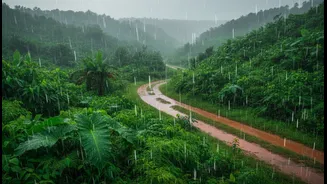
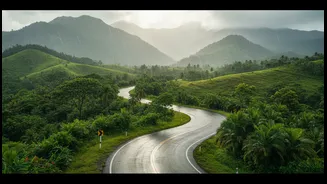
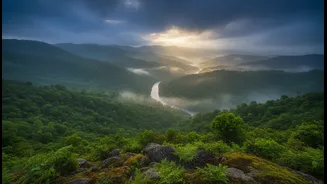
So, what’s behind this newfound love for rainy holidays? The benefits are multi-fold. Financially, it’s a win; flights, hotels, and tours are often significantly cheaper. Destinations that are usually packed with tourists become peaceful sanctuaries, allowing for a more immersive and relaxed experience. But the biggest draw is the transformation of the landscape itself. The monsoon breathes life into the country, turning dry hills into emerald-green carpets, filling waterfalls to their thundering crescendos, and shrouding mountains in romantic mist. It’s a sensory experience, from the smell of wet earth to the sight of lush, vibrant nature, offering a deeper connection that a typical sunny vacation might lack.
Embracing the Coastal Rains
Nowhere is the monsoon transformation more apparent than in India's coastal regions. Goa, known for its sunny beaches, takes on a different, more tranquil personality. The usual crowds thin out, leaving behind quiet, serene beaches and verdant paddy fields. Similarly, Kerala becomes 'God's Own Country' in a whole new way. The backwaters are magical during the rains, perfect for a peaceful houseboat cruise. Many wellness resorts also recommend Ayurvedic treatments during this season, believing the moist, cool air is ideal for rejuvenation.
Misty Mountains and Lush Estates
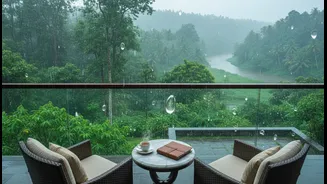
The hills are alive, not just with music, but with the magic of the monsoon. Hill stations are perhaps the biggest beneficiaries of this travel trend. Destinations like Coorg and Munnar, with their sprawling coffee and tea plantations, turn into mist-covered wonderlands. The air is cool, the foliage is a deep, luminous green, and the sound of rain on a cottage roof is the only soundtrack you need. Lonavala in Maharashtra and Mussoorie in Uttarakhand also see a surge in visitors who come to witness cascading waterfalls and enjoy the cool, clean air. These short, experience-led getaways are particularly popular among younger travellers.
A Different View of Heritage
Even desert landscapes and heritage cities offer a unique monsoon appeal. In Rajasthan, places like Udaipur and Mount Abu are transformed. The lakes in Udaipur, like Pichola and Fateh Sagar, fill to the brim, reflecting the grey skies and stunning palaces like the Sajjangarh Monsoon Palace, which was built for this very purpose. The summer heat gives way to pleasant, cooler weather, making it an ideal time for sightseeing without the scorching sun. This shows that the demand for rainy season travel is expanding beyond just nature and into cultural and heritage experiences as well.
Travel Smart, Travel Safe
While monsoon travel is rewarding, it requires a bit of practical planning. Pack quick-dry clothing, waterproof footwear, and a reliable rain jacket. It’s wise to carry a waterproof bag for your electronics and an insect repellent, especially for forest treks. While many enjoy the spontaneity, it is advisable to book accommodations in popular monsoon spots like Gulmarg in advance, as they can get crowded. Always check weather forecasts and be aware of potential road closures or slippery trails, especially in hilly regions. Government tourism departments advise travellers to stay informed through official weather updates to ensure a safe and enjoyable trip.