




The Problem Is More Than Just Water
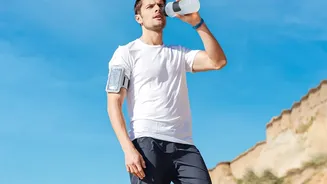
When you train, your body produces sweat to cool itself down. But that sweat isn't just water; it's a complex fluid filled with electrolytes. The most important of these for performance is sodium. Sodium is critical for maintaining fluid balance, nerve
function, and muscle contraction. Losing too much without replacing it can lead to a drop in blood volume, muscle cramps, dizziness, and a significant decline in performance. Following generic advice to just 'drink more water' can even be counterproductive, as it can further dilute your blood's sodium concentration, a dangerous condition known as hyponatremia.
Why Humidity Makes Everything Worse
Exercising in the heat is tough, but adding humidity makes it a different challenge altogether. Your body's primary cooling mechanism is the evaporation of sweat from your skin. When the air is already thick with moisture, as it is in high humidity, that evaporation process slows down dramatically. Your body's response is to sweat even more in an attempt to cool off, but the sweat often just drips off without providing much cooling effect. This leads to increased cardiovascular strain, a higher perceived effort, and accelerated fluid and electrolyte loss, all while your core temperature continues to rise.
Enter the Smart Sweat Patch
For years, the only way to understand your specific sweat composition was through complex lab testing. Now, wearable technology is bringing that science directly to the athlete's skin. Smart sweat patches are small, adhesive sensors that you wear during a workout to analyze your sweat in real time. These devices are designed to measure two key metrics that are highly individual: your sweat rate (how much fluid you lose per hour) and your sweat sodium concentration (how much salt is in that fluid). The amount of sodium lost can vary dramatically from one athlete to another, from as little as 200mg per litre of sweat to over 2,000mg.
How Do They Actually Work?
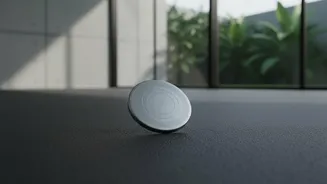
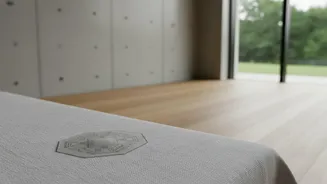
There are two main types of sweat patches available. The first type, like the Gatorade Gx Sweat Patch, is a single-use patch that uses microfluidics. As you sweat, tiny channels in the patch fill up with sweat, and non-toxic dyes inside change color to indicate your total fluid loss and sodium concentration. After your workout, you scan the patch with a smartphone app to get your results and a personalized recovery plan. The second type, such as the Nix Hydration Biosensor, is a reusable electronic pod that clips onto a single-use adhesive patch. This type of sensor continuously measures fluid and electrolyte losses during your activity and sends the data to your phone or sports watch in real-time, allowing for on-the-fly adjustments to your hydration strategy.
From Data to Personalized Hydration
The true power of a smart patch lies in turning its data into actionable intelligence. Knowing that you lost 1.5 litres of fluid and 1,000 mg of sodium during a one-hour run in the humidity is far more useful than a generic 'drink to thirst' guideline. This data allows you to build a precise, personalized hydration and nutrition plan. You can calculate exactly how much fluid and what concentration of electrolyte drink you need to consume per hour under specific conditions to stay in balance. Over time, you can build a sweat profile that helps you prepare for different climates and intensities, ensuring you are adequately fueled and hydrated for optimal performance.
Are They Right For You?
While this technology is a game-changer, it may not be necessary for everyone. Casual exercisers or those who work out in cool conditions can likely manage with general hydration principles. However, for endurance athletes like marathon runners, triathletes, or anyone training and competing for over an hour in hot and humid conditions, these patches can provide a significant competitive edge. They help move athletes from guessing to knowing exactly what their body needs. While some studies note that current models can have accuracy limitations compared to lab-grade testing, they provide a practical and accessible starting point for taking control of your personal hydration strategy.