




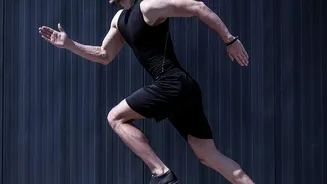
Understanding Humidity Fatigue
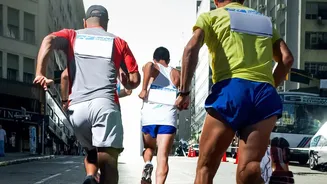
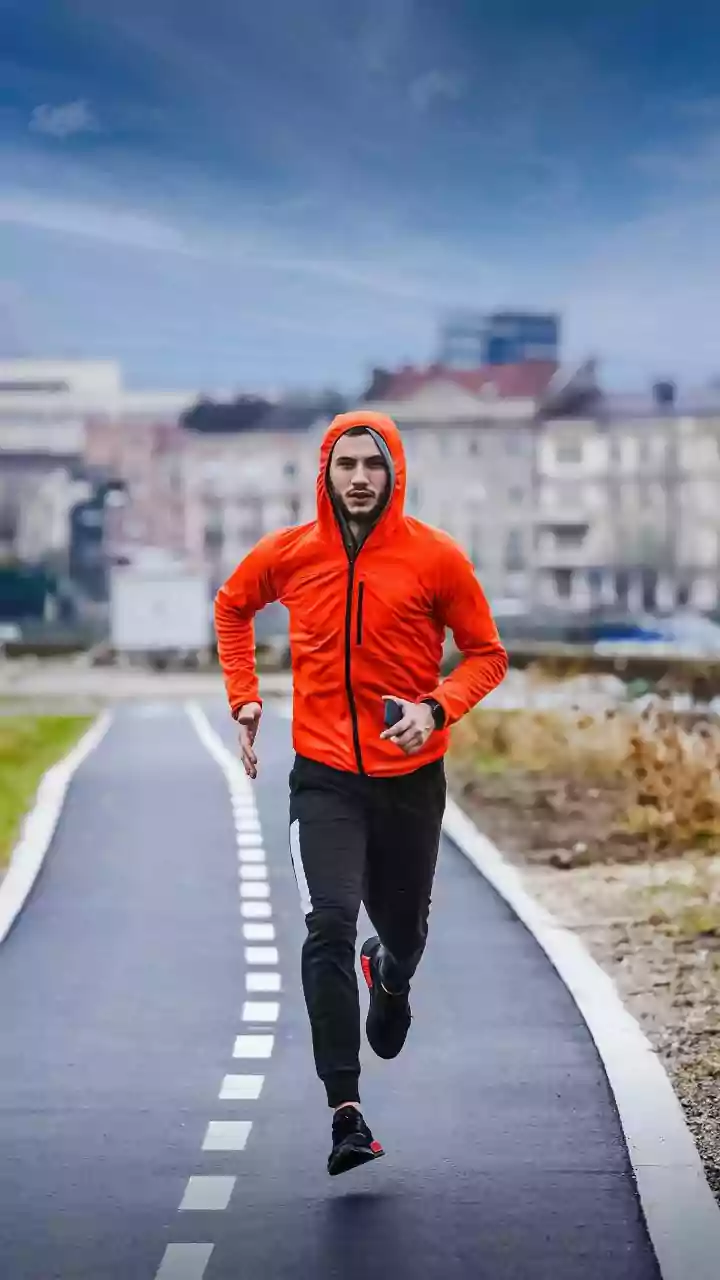
Running in high humidity is uniquely challenging. When the air is saturated with moisture, your sweat doesn't evaporate effectively. This is your body's primary cooling mechanism, and when it is compromised, your internal temperature and heart rate rise
faster for the same amount of effort. The result is a greater perceived exertion, quicker dehydration, and a profound sense of exhaustion that feels much deeper than a standard post-run tiredness. This 'humidity fatigue' can lead to decreased performance, muscle cramps, and a longer recovery period if not managed correctly.
What Is Contrast-Water Therapy?
Contrast-water therapy (CWT), or contrast hydrotherapy, is the practice of alternating immersions in hot and cold water. It's a recovery method used by athletes and physical therapists for centuries to help manage muscle soreness, reduce inflammation, and speed up recovery. The basic principle involves rapidly changing the temperature of your tissues to stimulate a physiological response that aids the body's natural healing processes. While it might sound like something reserved for elite sports facilities, it is a technique that can be easily and effectively adapted for home use, even in a compact urban apartment.
The Science Behind the Hot and Cold
The magic of contrast-water therapy lies in its effect on your circulatory system. The hot water causes vasodilation, widening your blood vessels and increasing blood flow to the muscles. This helps deliver oxygen and nutrients needed for repair. Immediately switching to cold water causes vasoconstriction, the narrowing of blood vessels. This process reduces inflammation and swelling by limiting the rush of inflammatory cells to the area. This rapid alternating between opening and closing the blood vessels creates a 'vascular pump' effect. This pump action is believed to be more effective than heat or cold alone at flushing out metabolic waste products, like lactic acid, which contribute to muscle soreness and fatigue.
An At-Home Protocol for City Runners
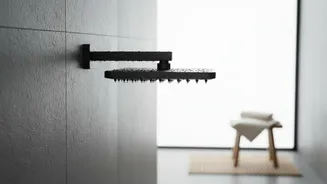
You don't need fancy plunge pools to benefit from CWT. An urban runner can perform this therapy effectively using a shower or two simple buckets. The key is consistency and proper timing. Do this within a few hours of your run. 1. Gather Your Tools: You'll need two buckets large enough to fit your lower legs and feet, or simply use your shower. 2. Prepare the Water: Fill one bucket with warm water (around 38-42°C, or warm to the touch but not scalding) and the other with cold tap water (around 10-15°C). 3. The Cycle: Start by immersing your legs in the warm water for three minutes. Then, immediately switch to the cold water for one minute. This completes one cycle. 4. Repeat: Repeat this 3-minute warm, 1-minute cold cycle three to five times. 5. Always Finish Cold: Concluding the session with a cold immersion helps to further reduce lingering inflammation.
More Than Just Muscle Recovery
While reduced muscle soreness is the primary draw for runners, the benefits of CWT can extend further. The process can help reduce general swelling and pain in the joints after a high-impact run. Some research suggests the regular practice can lead to a feeling of less fatigue within 24 hours post-exercise. Anecdotally, many athletes also report improved mental clarity and a mood boost from the invigorating temperature changes. It acts as a full system reset after a gruelling session in the heat, helping you feel fresher and more prepared for your next run.
Important Safety Considerations
Contrast-water therapy is generally safe for most healthy individuals, but it's not for everyone. The rapid temperature shifts place demands on the circulatory system. Individuals with certain pre-existing conditions should exercise caution and consult a doctor before trying this therapy. These conditions include heart disease, high blood pressure, diabetes, peripheral vascular disease (PVD), or deep vein thrombosis. It's also advised to avoid CWT on acute injuries until at least 48-72 hours have passed. Never use extreme water temperatures that could cause burns or skin damage. If you feel dizzy, lightheaded, or unwell at any point, stop the therapy immediately.