


Urban parks are shedding their old image of just benches and swings. Across India, green spaces are being reimagined as vibrant, open-air fitness hubs, making health and wellness a free and accessible part of daily community life.
More Than Just Swings and Slides
Step into a modern city
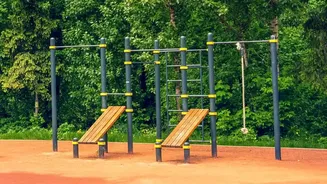
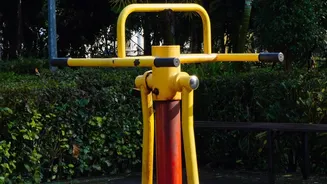
park in Delhi, Mumbai, or Bengaluru, and you're likely to find more than just walking paths and children's play areas. A quiet revolution in urban design is taking place, equipping these spaces with durable, weatherproof exercise equipment. This includes static machines like air walkers, leg presses, and cross-trainers that offer low-impact cardio and strength training. Alongside them, you'll often see a growing number of calisthenics stations with pull-up bars, parallel bars, and ab benches. This trend caters to the rising popularity of bodyweight training and provides a comprehensive setup for a full-body workout, transforming a simple patch of green into a sophisticated fitness zone.
The Drive for Democratic Fitness
So, what’s fuelling this change? It's a combination of rising health consciousness post-pandemic and a clear demand for accessible, low-cost fitness options. As urban lifestyles become more sedentary, city dwellers are actively seeking ways to integrate physical activity into their routines. Open-air gyms remove the significant financial barrier of a traditional gym membership, making fitness available to people from all socioeconomic backgrounds. Recognizing this, municipal bodies across India are investing in these upgrades. For example, the New Delhi Municipal Council (NDMC) has been actively installing open-air gyms in parks like Lodhi Garden and Nehru Park, viewing them as essential public health infrastructure. This shift treats parks not just as recreational areas, but as vital tools for preventative healthcare and community wellness.
Building Health and Community
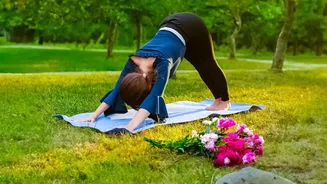
The benefits of these green gyms extend far beyond physical health. Exercising outdoors is linked to improved mental well-being, with exposure to fresh air and natural surroundings helping to reduce stress and boost mood. Furthermore, these spaces naturally foster a sense of community. They become social hubs where neighbours meet, exercise together, and motivate one another, turning solitary workouts into a shared experience. This is inclusivity in action. The equipment is designed to be used by people of all ages and fitness levels, from seniors performing light exercises to young athletes practicing advanced calisthenics. It's common to see a family exercising together, with parents using the equipment while their children play nearby, creating a holistic environment for community well_being.
Designing for True Inclusivity
True inclusivity, however, goes beyond just installing equipment. Modern park design increasingly considers the needs of all residents, including older adults and people with disabilities. This means ensuring there are smooth, wide pathways for wheelchairs and strollers, ample and comfortable seating with backrests and armrests, and accessible restrooms. Some advanced parks even feature sensory play elements for children with different needs and charging stations for accessibility devices. By designing spaces with everyone in mind from the start, cities ensure that these revitalized parks are truly welcoming for every member of the community, removing physical and social barriers to participation in public life.