




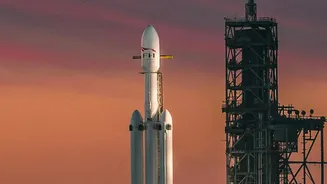
A New Space Race Takes Off
The Indian space narrative is no longer solely a government story. A quiet revolution, kickstarted by policy reforms in 2020, has opened the final frontier to private enterprise. Today, the sector is buzzing with over 400 startups. Leading this charge
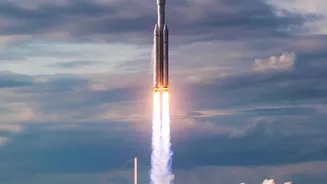
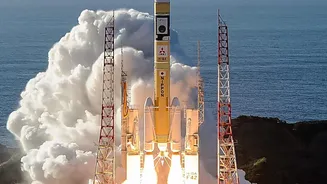
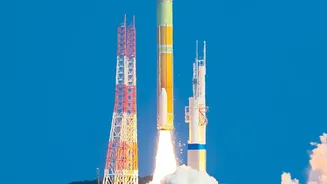
are companies like Skyroot Aerospace and Agnikul Cosmos. Hyderabad-based Skyroot made history in July 2026 by launching Vikram-1, India's first privately developed orbital rocket, making India only the third country after the U.S. and China with private launch capability. Chennai-based Agnikul Cosmos, operating out of IIT Madras, has also made waves with its Agnibaan rocket, which is powered by the world's first single-piece 3D-printed engine, a major engineering feat. These pioneers are not just building rockets; they are building a new industry from the ground up.
The Government as an Enabler
This private-sector boom is no accident. It is the result of a deliberate strategic shift by the government to transform India from a space-faring nation into a true space economy. A key move was the establishment of the Indian National Space Promotion and Authorisation Centre (IN-SPACe) in 2020. IN-SPACe acts as a single-window agency, helping private companies access ISRO’s world-class facilities, infrastructure, and technical expertise — resources that would be prohibitively expensive to build independently. This allows ISRO to focus on more ambitious scientific and exploratory missions like Gaganyaan and planetary exploration, while private firms handle more routine (but commercially vital) launches. Policies like the Indian Space Policy 2023 and liberalised FDI norms have further solidified this collaborative ecosystem, aiming to attract investment and integrate Indian firms into the global supply chain.
Targeting the Small Satellite Market
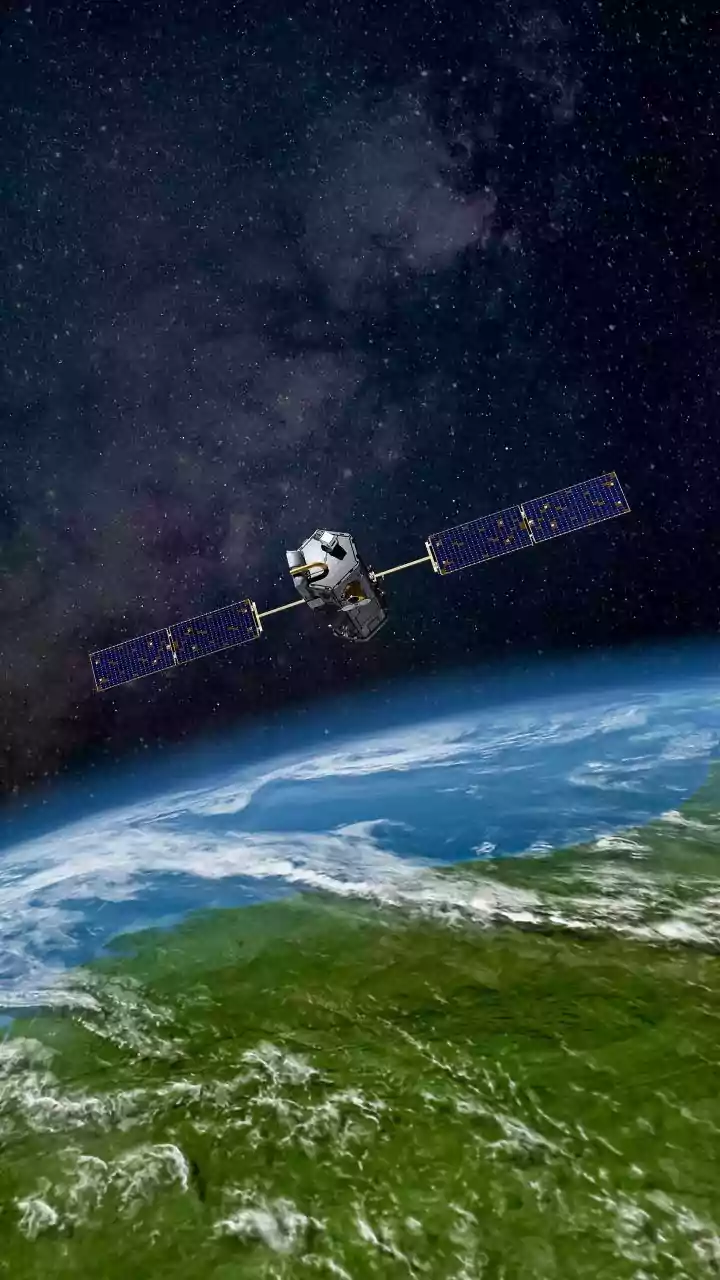
The primary business for these new rocket companies is the booming global market for small satellite launches. As technology has shrunk, satellites for everything from communications and Earth observation to weather monitoring have become smaller and cheaper. This has created a huge demand for launch services that are more frequent and affordable than traditional heavy-lift rockets. Indian companies like Skyroot are specifically designing their vehicles, such as the Vikram series, to cater to this small satellite market. Their goal is to provide reliable, on-demand launch services at a competitive price point, attracting both domestic and international customers. This focus on a high-growth niche is crucial for gaining a foothold in a global industry dominated by giants like SpaceX.
An Economic and Innovation Engine
The impact of commercial rockets extends far beyond launchpads. The goal is to grow India’s share of the global space economy from its current 2-3% to a much more significant slice, with projections aiming for a domestic space economy worth up to $45 billion by 2030. This expansion is about creating a full-stack space economy. It includes satellite manufacturing, where companies like Pixxel are building constellations for hyperspectral imaging, and the development of downstream applications in agriculture, disaster management, and urban planning. This new ecosystem is expected to create high-tech jobs, drive innovation, and encourage 'Make in India' by fostering a domestic supply chain for complex components. It also makes the sector more attractive to global talent and investment, with private funding already surging nearly six-fold between 2021 and 2026.
The Challenges on the Horizon
Despite the exciting progress, the path ahead is not without obstacles. Space is a capital-intensive and high-risk industry. One successful launch is a milestone, but commercial viability requires a consistent and reliable launch cadence, which is a major challenge. Indian startups also face stiff competition from established international players who have a significant head start. Furthermore, while government support is strong, navigating regulations and securing consistent funding remain hurdles for many smaller companies. Building a complete domestic supply chain for all critical components will also take time. The journey from a promising start to sustained commercial success will require resilience, continuous innovation, and a steady flow of investment to truly secure India's position as a leading power in the commercial space race.