



The Tech Fortress: Protecting Your Gadgets
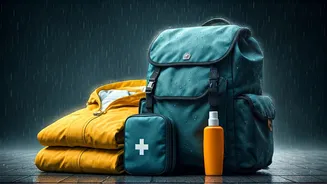
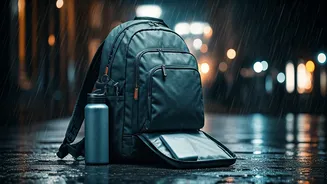
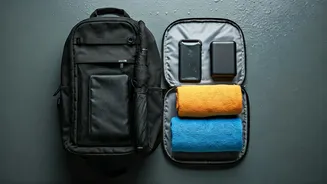
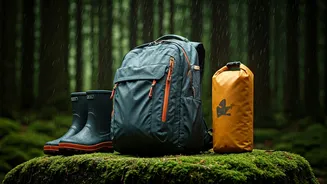
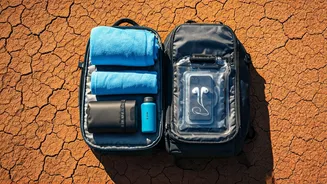
High humidity, sudden downpours, and power surges are the arch-nemeses of your electronic devices. [17, 21] Your phone, laptop, and earbuds are essential, but also incredibly vulnerable. The first line of defense is a good quality waterproof bag or backpack.
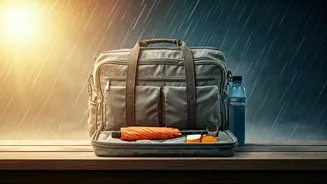
[19] For smaller gadgets, waterproof phone cases or even sealed zip-lock bags can be a lifesaver for commuting. [18] At home, power fluctuations during storms can be lethal for your appliances. A surge protector is a non-negotiable investment to shield your valuable electronics from unexpected voltage spikes. [17] It’s also wise to unplug devices during a heavy thunderstorm to prevent damage from lightning strikes. [17] Keeping electronics well-ventilated is another pro-tip, as high humidity can cause overheating just as summer heat does. [17]
The Wardrobe Offensive: Fabric and Footwear
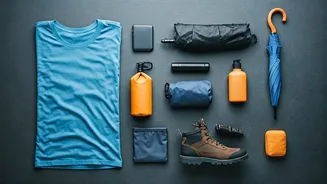
The wrong clothing choices can make a damp day miserable. Heavy fabrics like denim and thick cotton are a no-go; they take forever to dry and feel uncomfortable when wet. [18] Instead, your monsoon wardrobe should be built around lightweight, breathable, and quick-drying fabrics. [11] Cotton is a classic choice for its breathability, while synthetics and blends like polyester, nylon, and rayon are excellent for their water-resistant and quick-dry properties. [11, 12, 13, 15] Opting for shorter lengths like cropped pants or skirts can prevent them from getting soaked and muddy. [12, 13] When it comes to footwear, ditch the leather and suede. Instead, go for rubber sandals, waterproof floaters, or sneakers with a good grip to navigate slippery streets safely. [8, 18]
The Unstoppable Commute: Gear for Getting Around
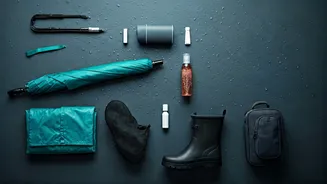
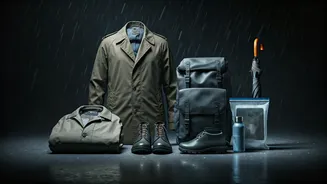
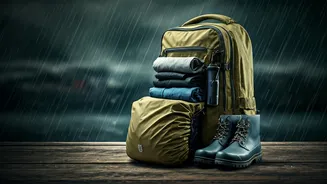
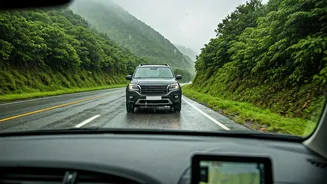
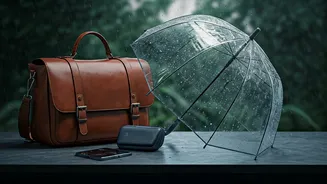
Getting from point A to B during the monsoon can feel like an expedition. Beyond your personal rain gear, a few key items can make your commute much smoother. A sturdy, wind-resistant umbrella is a must. [10] A lightweight, packable raincoat or poncho provides better coverage during heavy downpours. [18] If you carry a laptop or documents, a waterproof backpack cover is an essential accessory. [18] For those traveling in areas prone to waterlogging, it's wise to avoid walking barefoot in stagnant water to prevent infections. [5] Keeping a small, quick-dry microfiber towel in your bag can be incredibly useful for drying off after being caught in a shower. [18]
The Health & Hygiene Arsenal: Fighting Off Illness
The monsoon brings an increased risk of infections, from common colds to water-borne diseases. [2, 3] Your personal health kit needs a few seasonal upgrades. Frequent hand washing is crucial, so carry an alcohol-based hand sanitizer for when soap and water aren't available. [2, 5] Mosquito-borne illnesses like dengue and malaria are also common, making mosquito repellent an essential item. [3, 16] Due to high humidity, your body can lose fluids through sweat, so staying hydrated by drinking plenty of clean, filtered, or boiled water is vital. [3, 6] Finally, since humidity can accelerate food spoilage, it's best to avoid street food and opt for freshly cooked meals. [5, 6]
The Power-Cut Playbook: Staying Prepared at Home
Power outages are a common frustration during monsoon storms. [20] Being prepared can turn a major inconvenience into a minor one. Assemble a power-cut emergency kit with essentials like battery-powered flashlights or lanterns (avoiding candles due to fire risk), extra batteries, and a fully charged power bank for your mobile phone. [7, 9, 26] A hand-crank radio can keep you updated on weather alerts and news. [25] It's also a good idea to have a stock of non-perishable food items and sufficient drinking water, with a goal of at least one gallon per person per day. [7, 9, 26] This ensures you have essentials on hand for outages that last longer than a few hours.