



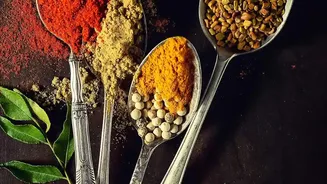

Embrace Turmeric, Ginger, and Garlic
This trio forms the foundation of a healthy monsoon diet. Turmeric (haldi), with its active compound curcumin, is a powerful anti-inflammatory and immunity booster. Ginger (adrak) is a warming spice that greatly aids digestion and helps fight off colds
and sore throats. Garlic (lehsun) is known for its strong antiviral and antibacterial properties, providing a shield against common infections. Integrating these spices into your daily cooking—in dals, curries, and soups—is an easy way to leverage their medicinal benefits and keep your digestive fire (Agni) strong, as recommended in Ayurveda.
Opt for Seasonal Gourds
While it's wise to be cautious with leafy greens that can harbour germs from contaminated soil and water, seasonal gourds are a safe and healthy choice. Vegetables like bottle gourd (lauki), ridge gourd (turai), and bitter gourd (karela) are light, easy to digest, and packed with essential nutrients. Lauki and turai are hydrating and gentle on the stomach, which is crucial when digestion is naturally sluggish. Bitter gourd, despite its taste, is prized for its ability to boost immunity and detoxify the liver. Steamed or cooked in simple curries, these vegetables provide nourishment without burdening your system.
Include Probiotics Like Yogurt
Gut health is directly linked to your overall immunity, and the monsoon is a critical time to support it. Probiotics are beneficial bacteria that help maintain a healthy balance in your gut. Fresh, homemade yogurt (dahi) or buttermilk (chaas) are excellent sources. These fermented foods help fight off harmful pathogens and support a robust immune response. While some Ayurvedic texts suggest limiting curd, having it fresh during the daytime, perhaps with a pinch of black pepper, is generally considered beneficial for keeping your digestive system running smoothly. Be sure to avoid curd from outside vendors to minimize contamination risks.
Sip on Herbal Teas and Soups
There’s nothing more comforting than a warm drink on a rainy day, and it’s also one of the best ways to stay healthy. Hydration is key, but it’s best to stick to warm or boiled water to avoid waterborne diseases. Herbal teas made with ingredients like tulsi (holy basil), ginger, cinnamon, and black pepper are excellent for boosting immunity and soothing the respiratory system. Warm, light soups made from lentils or seasonal vegetables are another fantastic option. They are easy to digest, packed with nutrients, and provide the warmth your body craves, making them a perfect light meal for monsoon evenings.
Choose the Right Fruits
While many fruits are available, it's best to stick to seasonal options that bolster immunity. Pomegranates, papayas, apples, and jamun are great choices for the monsoon. Pomegranates and amla (Indian gooseberry) are exceptionally high in Vitamin C and antioxidants, which are vital for fighting infections. It is best to avoid pre-cut fruits sold by street vendors, as they are highly susceptible to contamination. Always wash fruits thoroughly and consume them fresh to get the maximum health benefits.
Rely on Pulses and Millets
During a season when digestion can be weak, heavy meals are best avoided. Light-to-digest proteins like moong dal are ideal. Khichdi, a simple preparation of rice and moong dal with turmeric and ginger, is considered a perfect monsoon meal in Ayurveda for this reason. Millets such as ragi and jowar are also excellent additions. They are rich in fibre and essential nutrients, helping to regulate blood sugar and strengthen the immune system without feeling heavy.
Snack Smart with Nuts and Seeds
When you need an energy boost, turn to nuts and seeds instead of oily, fried snacks like pakoras, which can be hard to digest. A handful of almonds, walnuts, or pumpkin seeds provides healthy fats, protein, and important micronutrients like Vitamin E and zinc. These nutrients support your immune system and protect your cells from damage, making them a wise and healthy snacking choice throughout the rainy season.