



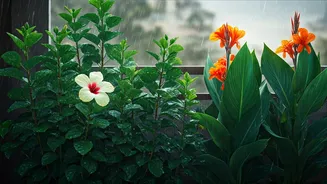


Why Humidity Is a Plant's Best Friend
To understand why monsoon is a magical time for plants, we need to look at a process called transpiration. Plants release water vapour through tiny pores on their leaves, called stomata. In dry, hot weather, they lose water rapidly, causing stress. High
humidity changes everything. When the air is already saturated with moisture, the rate of transpiration slows down significantly. This means the plant loses less water and can focus its energy on other vital functions, particularly root development. The humid air acts like a natural, full-time mister, keeping the foliage hydrated and reducing the overall burden on the plant’s root system. This gentle environment is perfect for plants that are undergoing stress, such as being moved or pruned.
The Perfect Time for Repotting
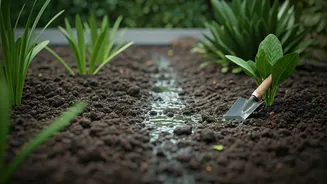
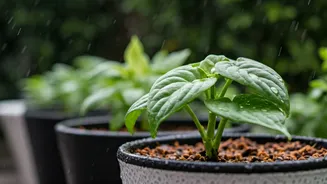
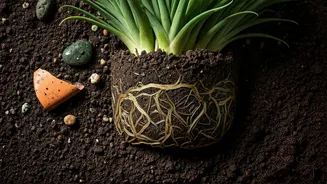
Every gardener dreads transplant shock—the period of wilting and distress a plant experiences after being moved to a new pot. The primary cause is root disturbance. During the monsoon, the reduced rate of transpiration provides a crucial buffer. Because the plant isn't losing as much water through its leaves, its newly disturbed roots have time to recover and establish themselves in the new soil without being overworked. The consistently moist soil also encourages new root hairs to grow quickly. If you have plants that are root-bound or have outgrown their containers, now is the time to act. Move them to a larger pot with fresh, well-draining soil, and the humid air will help them settle in faster than at any other time of the year.
An Ideal Window for Propagation
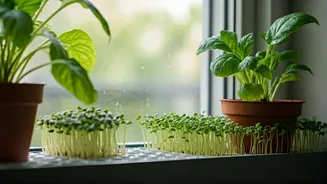
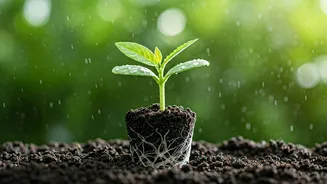
Have you ever wanted to multiply your favourite money plant or bougainvillaea? The monsoon is your best chance for success with propagation, especially from cuttings. When you take a cutting, it has no roots to absorb water, making it extremely vulnerable to drying out. The high ambient humidity prevents the cutting from wilting and dying before it has a chance to sprout new roots. It keeps the leaves and stem plump and hydrated, giving the cutting the time it needs to focus on root formation. Whether you're placing cuttings in water or directly into soil, the moist air creates a natural greenhouse effect, dramatically increasing your success rate for creating new, healthy plants from your existing collection.
Plants That Love a Monsoon Move
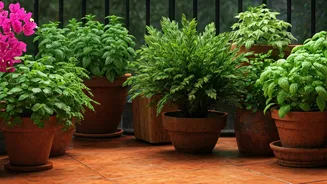
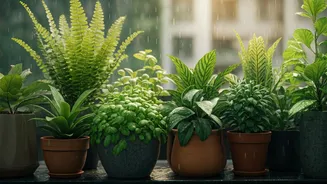
While most plants benefit from the monsoon humidity, some respond particularly well to being repotted or propagated during this season. Tropical and foliage-heavy plants are at the top of the list. Consider giving these a new home or taking cuttings from them: - **Indoor Favourites:** Money Plant (Pothos), Syngonium, Philodendrons, Spider Plant, and Snake Plant. These are incredibly easy to propagate from cuttings in the monsoon. - **Flowering Beauties:** Hibiscus, Jasmine (Mogra), Bougainvillaea, and Ixora. Repotting them now can lead to vigorous growth and better blooms post-monsoon. - **Ornamental Shrubs:** Crotons and other colourful foliage plants will establish quickly if moved now, with their vibrant leaves less likely to droop or fall off.
Key Mistakes to Avoid
While the season is beneficial, it's not without its risks. The biggest danger is overwatering. The soil will naturally stay moist for longer, so you must reduce your watering frequency. Always check the top inch of soil before watering again. Secondly, ensure every pot has excellent drainage. Waterlogged soil is the primary cause of root rot, a fungal disease that thrives in damp, anaerobic conditions. Finally, keep an eye out for fungal infections and pests on the leaves, as the dampness can encourage their growth. Good air circulation around your plants can help mitigate this. Don't crowd your pots too closely together. A little care will ensure you reap the benefits without falling into common monsoon traps.