



The Escape from 'Too-rism'
For decades, a Himalayan holiday meant a specific kind of experience: a comfortable hotel, scenic drives, and a stroll down a bustling Mall Road. But for many young Indians, this formula has lost its appeal. They are actively avoiding what they call 'too-rism'—overcrowded,
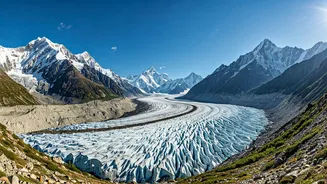
commercialised destinations that feel manufactured. Lahaul, a high-altitude cold desert valley in Himachal Pradesh, offers the perfect antidote. Accessible primarily after the Atal Tunnel opened, it remains relatively untouched by the mass tourism that has saturated other regions. Choosing Lahaul is a deliberate statement: a preference for solitude, authenticity, and landscapes that haven't been curated for commercial consumption. It’s about trading the noise of tourists for the sound of the wind whipping through a prayer flag-draped pass.
The Allure of the Challenge
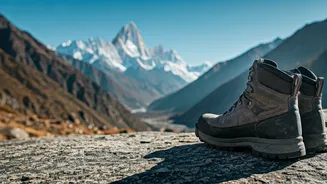
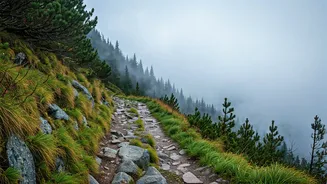
Today’s young trekkers aren’t just looking for pretty pictures; they are seeking personal transformation. The rugged passes of Lahaul, such as Hampta Pass or Kunzum La, are not easy treks. They involve steep ascents, river crossings, unpredictable weather, and acclimatisation to altitudes exceeding 14,000 feet. This difficulty is not a deterrent; it’s the main attraction. In a world of instant gratification and digital ease, there is a growing desire for tangible accomplishment. Completing a challenging trek offers a profound sense of achievement that a leisurely holiday cannot. It’s a physical and mental crucible that tests limits, builds resilience, and offers a powerful confidence boost. The bragging rights are not just about having been there, but about having conquered the journey to get there.
An Instagram Feed That Feels Earned
It’s easy to dismiss this trend as being driven by the desire for a perfect Instagram post. While social media certainly plays a role, its influence is more nuanced. The goal is not just to post a beautiful photo, but to post a photo that tells a story of adventure and authenticity. A picture of a windswept prayer flag at a 15,000-foot pass, or a video of crossing a glacial stream, carries more cultural currency than a selfie at a crowded viewpoint. Social media acts as both a discovery engine and a motivator. Aspiring hikers see stunning, raw images of Lahaul on their feeds and are inspired to seek out the same experience. They aren't just copying a photo; they are aspiring to the feeling of grit, freedom, and awe that the photo represents. The aesthetic has shifted from polished perfection to rugged reality.
The Lahaul Mystique
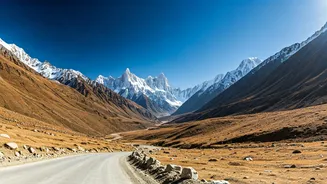
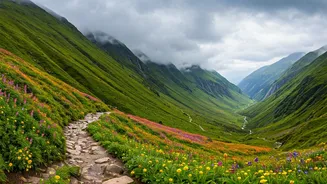
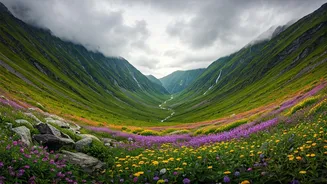
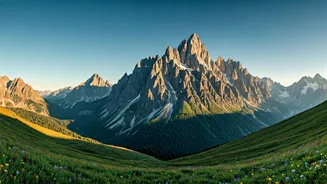
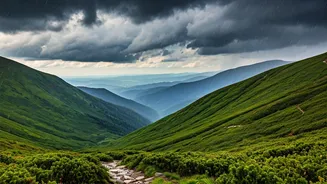
What makes Lahaul so special? It’s a unique confluence of geography and culture. Unlike the lush green valleys of Kullu, Lahaul is a stark, dramatic landscape of barren mountains, deep blue skies, and turquoise rivers like the Chandra and Bhaga. This otherworldly terrain feels like stepping onto a different planet. The region is also steeped in Tibetan Buddhist culture, with ancient monasteries like Kardang and Keylong dotting the landscape, adding a spiritual dimension to the journey. Treks like the Hampta Pass are particularly popular because they offer a dramatic transition of scenery, starting in the green valleys of Kullu and crossing over into the arid, breathtaking expanse of Lahaul. This dramatic contrast makes the journey feel like a true pilgrimage from one world to another.
A New Definition of Travel
Ultimately, the draw of Lahaul’s rugged passes is part of a broader redefinition of travel among young Indians. It's a move away from consumption-based holidays towards experience-based journeys. This generation values stories over souvenirs, and skills over comfort. They see travel as an active pursuit—a way to learn, to grow, and to connect with the natural world in a meaningful way. They are more environmentally conscious and seek low-impact ways to explore the country. Choosing a remote trek in Lahaul aligns perfectly with these values. It’s a vote for sustainability, for personal growth, and for an India that is wild, challenging, and profoundly beautiful.