


The Silent Invader: What Is Periodontal Disease?
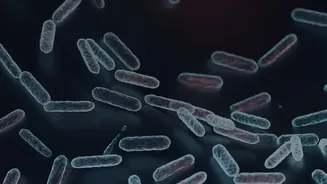
Periodontal disease is one of the most common health problems diagnosed in adult dogs and cats, with most showing signs by age three. It all starts with plaque, a sticky film of bacteria that forms on teeth after eating. If not removed, this plaque hardens
into tartar, creating a rough surface where even more bacteria can thrive. This buildup irritates the gums, leading to inflammation known as gingivitis. At this early stage, you might notice redness, swelling, or even bleeding gums. If left untreated, gingivitis progresses to periodontitis, a more severe condition where the infection damages the deep structures supporting the teeth, causing pain, bone loss, and eventually, tooth loss.
Breaching the Barrier: From Mouth to Bloodstream
The mouth is normally a contained system, but advanced dental disease breaks down its defences. The same inflammation that makes gums red and swollen also makes them weak and prone to bleeding. This creates a direct entry point for bacteria and their harmful byproducts, called toxins, to escape the mouth and enter the bloodstream. This process is known as bacteremia. Think of inflamed gum tissue as a leaky gate. Every time your pet chews, it can push a small shower of these bacteria into their circulatory system, allowing the infection to travel throughout the entire body.
The Attack on Vital Organs
Once in the bloodstream, oral bacteria can cause significant harm to vital organs, primarily the heart, kidneys, and liver. These organs are especially vulnerable because their job is to filter the blood.Heart: Bacteria can attach to the inner lining of the heart or its valves, causing a dangerous inflammatory condition called endocarditis. This can damage the heart tissue, impairing its ability to pump blood effectively and worsening pre-existing heart conditions.Kidneys: As the body's primary filters, the kidneys are tasked with cleaning waste from the blood. A constant barrage of bacteria forces them to work overtime, leading to inflammation that can damage their delicate filtering structures. Over time, this strain can contribute to the development of chronic kidney disease.Liver: Like the kidneys, the liver works to detoxify the blood. When it is constantly exposed to bacteria from a diseased mouth, it can become inflamed and strained. This impairs the liver's function and can cause or worsen liver conditions.
Recognizing the Red Flags
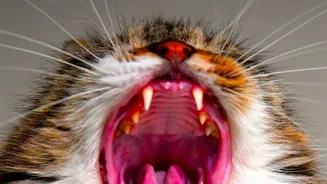
Pets are masters at hiding pain, so owners often don't realize there's a problem until the dental disease is advanced. However, there are subtle signs you can watch for. Persistent bad breath is a major red flag, not just a normal part of aging. Other symptoms include yellow or brown tartar buildup on teeth, red or swollen gums, drooling more than usual, and difficulty chewing or dropping food. You might also notice your pet pawing at their mouth, losing interest in chew toys, or showing changes in their behavior, such as irritability.
Prevention Is the Best Medicine
The best way to prevent oral bacteria from harming your pet's organs is to stop dental disease before it starts or to treat it as early as possible. This involves a two-pronged approach. First, professional veterinary care is essential. Your vet can perform thorough dental cleanings under anaesthesia to remove plaque and tartar both above and below the gumline. They can also take dental X-rays to see the extent of any damage that isn't visible. The second part is at-home care. Regularly brushing your pet's teeth is the gold standard for removing plaque. This can be supplemented with dental treats, chews, and special diets designed to promote oral health. Regular check-ups allow your vet to spot issues early and recommend a plan to keep your pet’s mouth, and entire body, healthy.