







Focus on Your Daily Total, Not One Shake
The single most important factor for muscle repair and growth is your total daily protein intake. While post-workout shakes get all the attention, they are just one small part of a bigger picture. For active individuals looking to build muscle, scientific
consensus suggests a target of 1.2 to 2.2 grams of protein per kilogram of body weight per day. So, for a person weighing 70 kg, this means aiming for 84 to 154 grams of protein spread throughout the day. Instead of obsessing over one meal, calculate your daily target and focus on hitting it consistently. This consistent supply of amino acids is what truly fuels your progress.
Forget the 30-Minute 'Anabolic Window'
The idea that you must consume protein within 30-60 minutes of your workout is one of fitness's most persistent myths. Modern research shows this so-called "anabolic window" is much wider than we thought, lasting for many hours, possibly even 24 hours after exercise. Your muscles remain sensitive to protein long after you've left the gym. So, there’s no need to sprint to the locker room for a shake. While having a protein-rich meal within a couple of hours of training is beneficial, your total intake throughout the day is far more critical for muscle growth. If you had a protein-rich meal before your workout, the need to refuel immediately is even less urgent.
Spread Your Protein Intake Out
While chugging all your protein at once is better than nothing, it's not optimal. Your body has a limit to how much protein it can use for muscle protein synthesis (the process of building muscle) in one sitting. Research suggests that spreading your protein intake across three to four meals and snacks throughout the day is a more effective strategy. Aiming for roughly 20-40 grams of protein per meal helps to continuously stimulate muscle growth and repair. This approach ensures your muscles have a steady supply of building blocks, rather than a single flood followed by a long drought. It also helps with managing hunger and satiety.
Prioritise Whole Foods Over Supplements
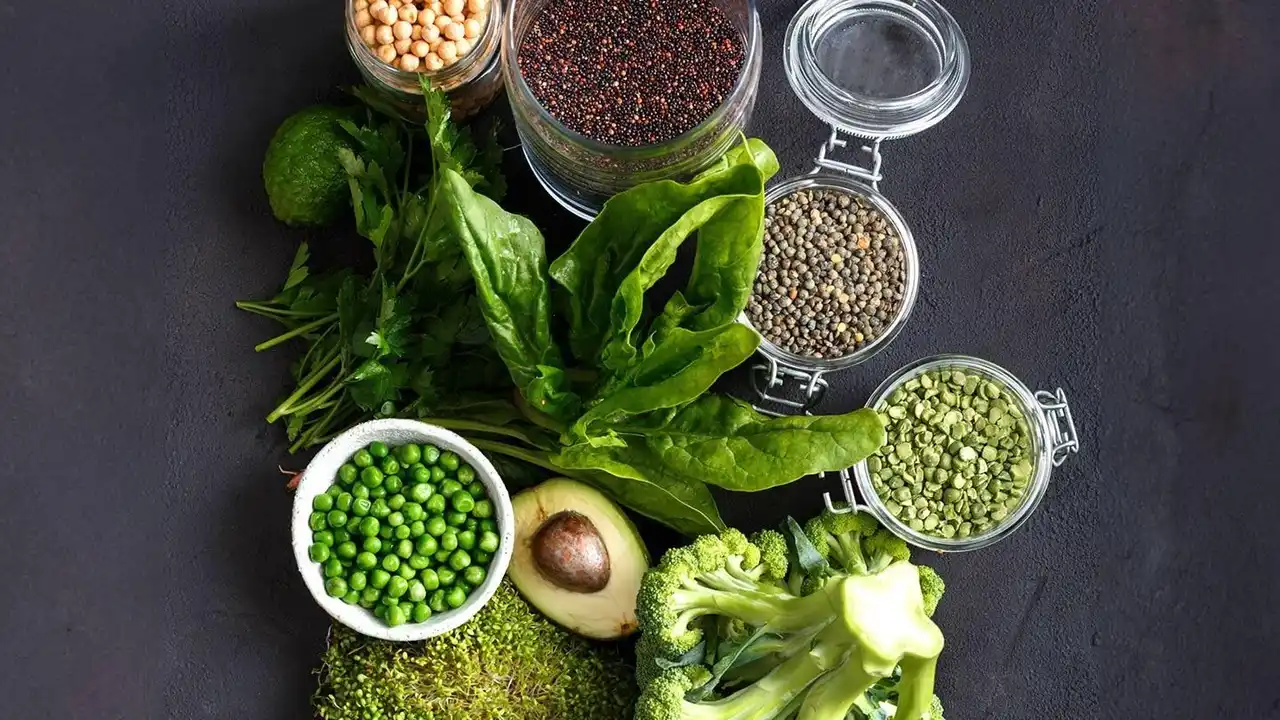
Protein powders are convenient, but they shouldn't be your primary source of protein. Research shows that as long as your total daily protein target is met, there's no significant difference in muscle gains between supplements and whole foods. Whole food sources like chicken, fish, eggs, dairy, lentils, and tofu offer a complex matrix of other essential nutrients—like vitamins, minerals, and fibre—that powders lack. These foods also tend to be more satiating. Use supplements for what they are: a convenient tool to help you reach your daily goals when you're short on time or options, not a magic bullet for muscle growth.
Quality Matters, Especially for Plant-Based Diets
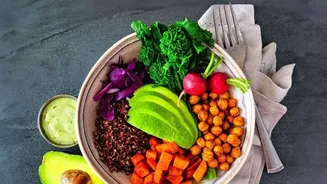
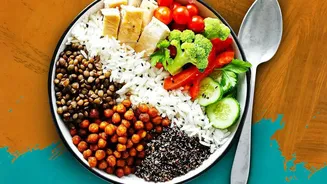
Not all protein sources are created equal. Proteins are made of amino acids, and nine of these are "essential," meaning your body can't produce them. A "complete" protein contains all nine. Most animal products like meat, eggs, and dairy are complete proteins. Many plant-based proteins are not, but this is easily solved by combining different sources. For example, rice and beans together form a complete protein. Other great plant-based complete protein sources include quinoa, tofu, tempeh, edamame, and buckwheat. Ensuring you get a variety of high-quality protein sources will guarantee your body has all the necessary building blocks for recovery.