




Understanding the Deficit
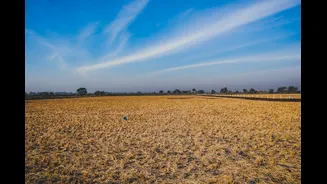
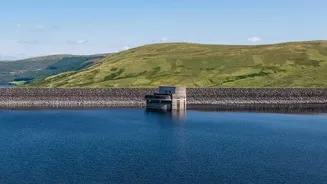
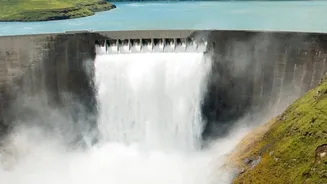
The 2026 monsoon season concluded with a rainfall deficit of around 12-13%, the weakest performance in over a decade. According to the India Meteorological Department (IMD), the country received only about 87% of its long-period average rainfall. This
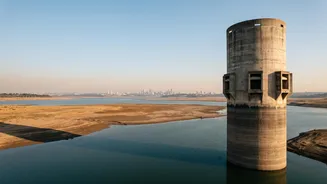
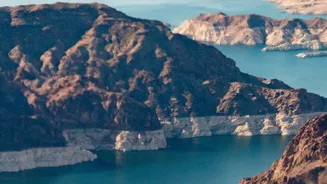
shortfall, influenced by El Niño conditions, was not uniform. While Central India saw near-normal rain, regions like the south peninsula and the northeast experienced significant deficits of around 24-25%. This uneven distribution means that reservoir levels are worryingly low in many parts of the country, setting the stage for a severe water crisis when summer demand peaks.
Mandate Rainwater Harvesting at Scale
The most logical first defence is to capture every drop possible. While many cities have rainwater harvesting (RWH) bylaws on paper, enforcement is often weak. The window between now and the next monsoon is critical for a massive push to operationalise these systems. Municipal bodies must mandate and audit RWH systems not just in new constructions but also in existing large residential complexes, commercial buildings, and government offices. This involves more than just building recharge pits; it means ensuring proper filtration and connectivity to either storage tanks for reuse or to recharge wells to replenish depleted groundwater tables. Success stories from cities like Chennai, which have improved water availability through RWH, show this approach is effective when implemented comprehensively.
Embrace Wastewater as a Resource
A dry monsoon amplifies the folly of using fresh water once and discarding it. Indian cities generate over 72,000 million litres of wastewater daily, but a vast majority flows untreated, polluting the very sources we depend on. Policies like the Union Jal Shakti Ministry's mandate for cities to reuse at least 20% of their water need urgent implementation. This means upgrading Sewage Treatment Plants (STPs) and creating a parallel market for treated wastewater. This 'recycled' water is perfectly viable for non-potable uses like industry, construction, flushing, and horticulture, freeing up precious fresh water for drinking. Cities like Surat and Hyderabad are already supplying treated wastewater to industrial areas, providing a proven model to follow.
Fix the Leaks: Audits and Infrastructure Upgrades
It is estimated that a significant portion of water in Indian cities—sometimes as high as 30%—is lost before it even reaches the consumer due to ageing pipes and illegal tapping. This non-revenue water (NRW) is a luxury no city can afford, especially after a poor monsoon. An immediate priority should be to conduct city-wide water audits to identify major leakage hotspots. Using smart technology like sensors can help monitor the network in real-time. While replacing old infrastructure is a long-term project, a targeted, data-driven repair campaign can plug the biggest holes and yield immediate savings, ensuring that the limited water available is distributed as efficiently as possible.
Manage Demand and Prepare for Emergencies
Alongside boosting supply, managing demand is crucial. Municipalities must initiate public awareness campaigns about the impending scarcity and promote water conservation. This includes restricting non-essential uses during peak months. Simultaneously, city administrations need to prepare detailed, area-wise contingency plans now, not in May when the crisis hits. These plans should identify the most vulnerable areas, map out alternative water sources, and regulate the pricing and distribution of water tankers to prevent exploitation. As authorities in cities like Hyderabad are already doing, preparing for summer starts in autumn.