





The Perfect QSR Candidate
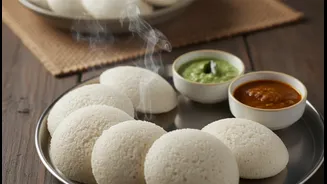
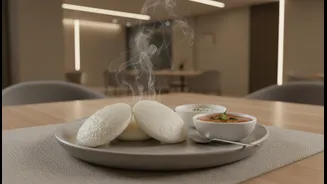
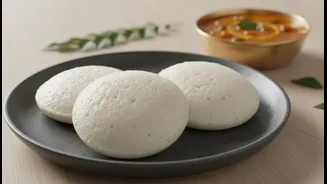
On paper, the idli is an ideal product for any QSR. It is steamed, not fried, making it a healthy option that appeals to a growing base of health-conscious consumers. This aligns perfectly with the market trend where consumers are actively seeking nutritious
alternatives to traditional fast food. It is low in calories, easily digestible, and gluten-free, ticking multiple boxes for modern dietary preferences. Furthermore, its preparation is quick and scalable. Once the batter is ready, the steaming process is fast and consistent, lending itself well to the high-volume, quick-turnaround model that defines fast food. Its popularity is also undeniable; one food delivery platform reported selling 33 million plates in a single year, with demand spanning from morning breakfast to dinner.
A Gap in the Market
Major international QSR chains in India have heavily invested in menu localization. We've seen the introduction of paneer burgers, tandoori-flavoured pizzas, and spicy wraps designed to cater to the Indian palate. These innovations show a clear understanding that a one-size-fits-all global menu doesn't work. Yet, this localization has largely been limited to adapting Western formats with Indian flavours, rather than embracing inherently Indian formats. While brands like McDonald's and Burger King compete on variations of burgers and sandwiches, the breakfast and light-meal segment remains comparatively untapped by these giants. The massive demand for idli is currently being met by unorganized local eateries, delivery kitchens, and specialized South Indian chains, proving that a massive, loyal customer base already exists.
Addressing the Challenges
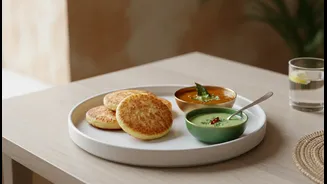
Admittedly, integrating idli is not without its hurdles. The primary challenge lies in the batter—its fermentation is a sensitive process that affects taste and texture. Maintaining consistency at a national scale would require a robust, temperature-controlled supply chain. However, this is a solvable logistical problem. Numerous companies already successfully sell packaged idli batter, proving that the model is viable. Another challenge is perception. Would consumers accept paying QSR prices for a food item they can get cheaply on the street? The key would be to elevate the offering. This could be through superior hygiene standards, innovative accompaniments beyond the standard sambar and chutney, and a comfortable dining environment—all hallmarks of the successful QSR experience.
The Innovation Opportunity
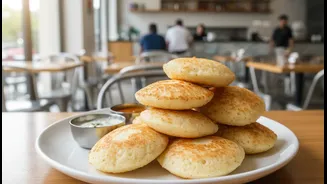
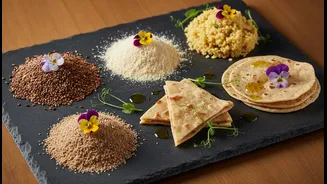
The potential for idli extends far beyond just serving two pieces on a plate. The format is ripe for innovation. Imagine mini idlis tossed in 'podi' seasoning and sold in a portable cup, or an 'idli burger' with a vegetable or meat patty placed between two larger, flatter idlis. There could be stuffed idlis with savoury fillings, or different types of batters made from millets or oats to appeal to the super-health-conscious crowd. Several smaller, successful QSR chains like Idli Point and Mr. Idli are already proving that this model works, offering dozens of idli varieties and operating on a profitable franchise basis. They demonstrate that the idli is not just a breakfast item, but a versatile platform for culinary creativity that can sustain an all-day menu.