


Prioritize Hydration and Fluids
Before even planning your meals, focus on hydration. Thirst is often mistaken for hunger, and staying hydrated is crucial for maintaining energy levels and aiding digestion. Water is your best friend, but you can also include other fluids like coconut
water, buttermilk (chaas), and fresh fruit juices without added sugar. Herbal teas can also be a comforting and hydrating option. Drinking plenty of fluids throughout the day helps flush out toxins and can prevent the fatigue that sometimes accompanies fasting.
Choose Your Grains Wisely
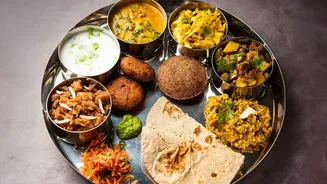
Traditional fasting often involves deep-fried puris made from Kuttu (buckwheat) or Singhara (water chestnut) flour. While these flours are permitted, the preparation method is key. Instead of deep-frying, try making rotis or cheelas (pancakes) on a non-stick pan with minimal ghee. Other light grain alternatives include Samak rice (barnyard millet) and Rajgira (amaranth). Samak rice can be used to make a light pulao or khichdi with vegetables, while rajgira flour makes excellent rotis or porridge. These pseudo-grains are gluten-free and rich in fibre, which keeps you feeling full for longer.
Embrace a Variety of Vegetables
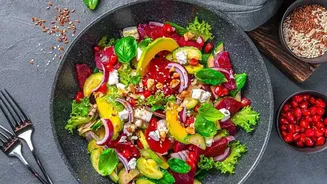
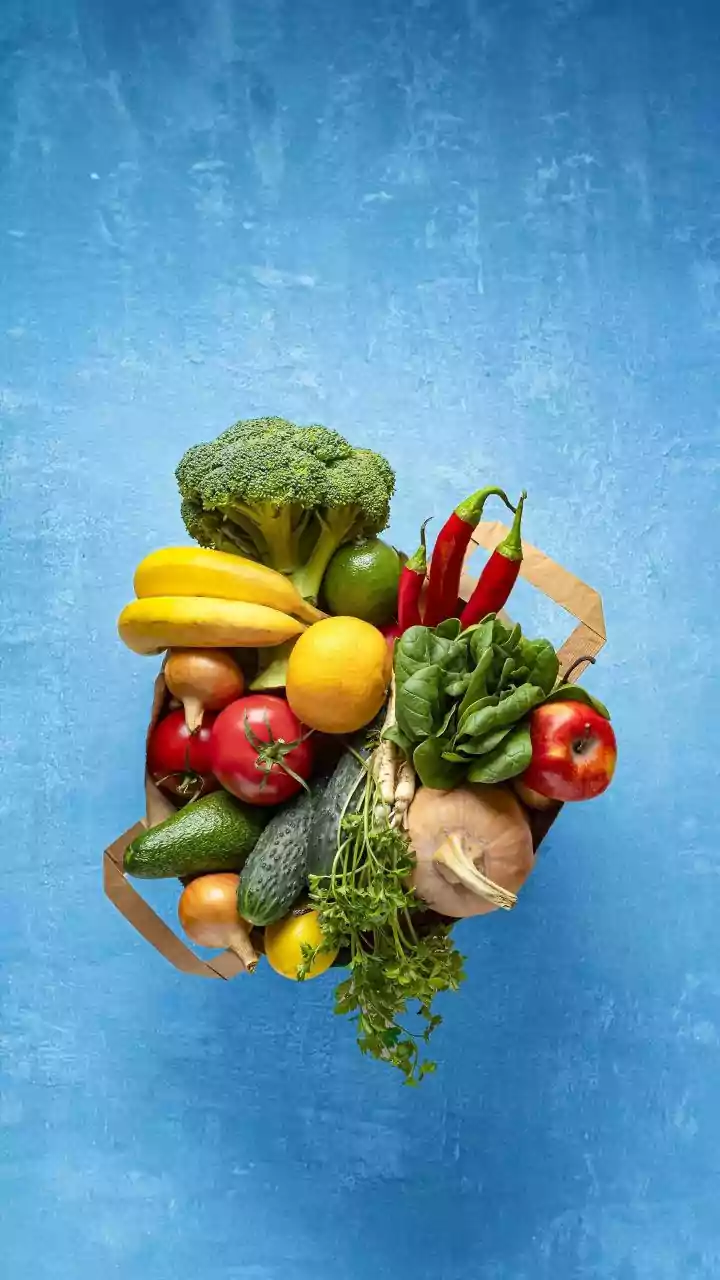
Potatoes are a fasting staple, but relying solely on them, especially when fried, can make meals heavy. Expand your vegetable intake to include options like lauki (bottle gourd), pumpkin, tomatoes, cucumber, and spinach. You can make a simple lauki or pumpkin sabzi, a refreshing cucumber raita, or a light tomato soup. Sweet potatoes are another excellent choice; they are rich in fibre and complex carbs, providing sustained energy. A simple sweet potato chaat, made by roasting boiled sweet potato cubes with rock salt and lemon juice, is a fantastic light snack.
Incorporate Lean Protein
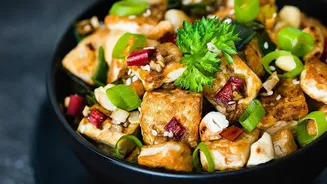
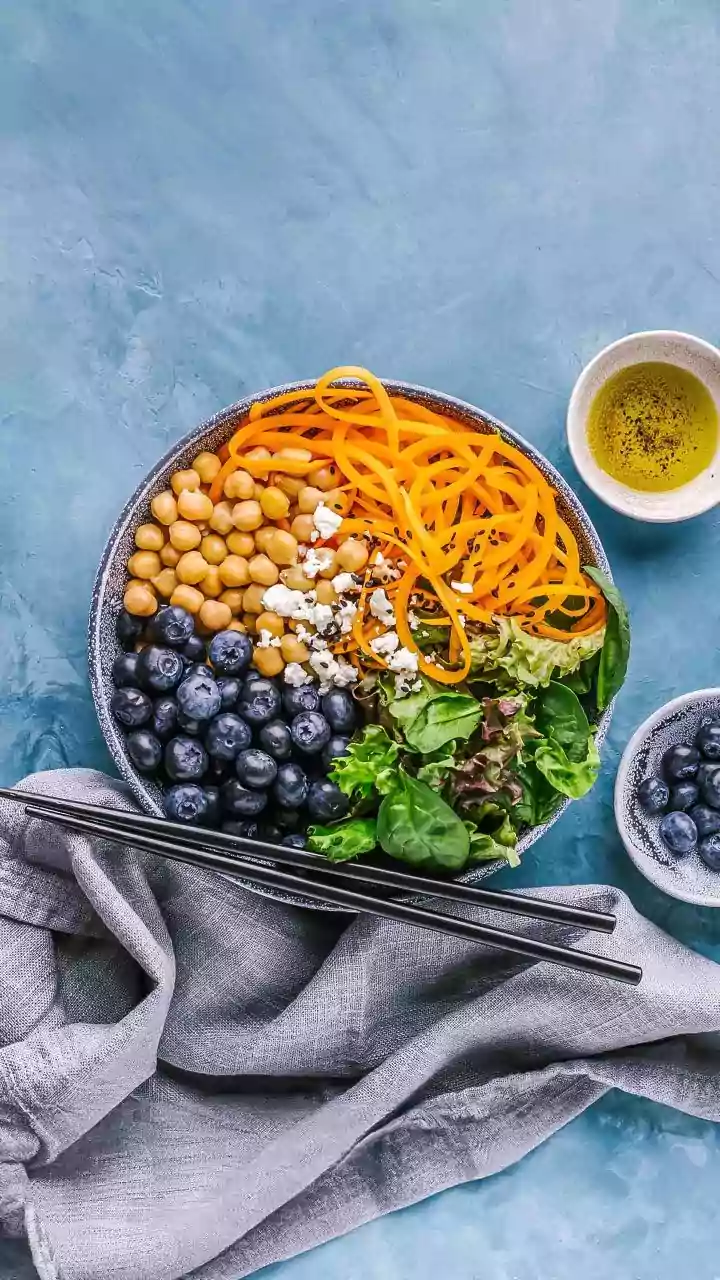
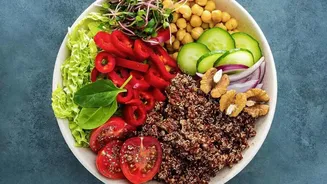
Protein is essential for preventing muscle loss and keeping hunger pangs at bay during a fast. Dairy products like paneer, curd (yoghurt), and milk are excellent sources. You can have a bowl of curd, a glass of banana walnut lassi, or some pan-sautéed paneer cubes. Nuts and seeds like almonds, walnuts, and peanuts also provide protein and healthy fats. A handful of roasted nuts or adding them to your fruit bowl can make your meal more balanced and satiating.
Snack Smartly and Lightly
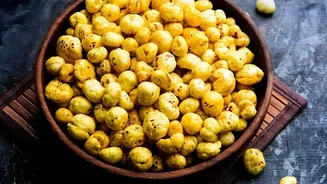
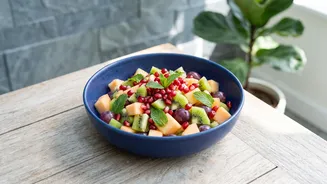
Snacking is often where heavy, fried foods creep in. For a light and crunchy option, roasted makhana (fox nuts) are perfect. They are low in calories and high in protein and can be lightly roasted in ghee with a sprinkle of rock salt. Fresh fruits are another unbeatable snack, providing natural sugars for a quick energy boost. A mixed fruit chaat or a fruit and nut yoghurt bowl are both delicious and incredibly nourishing options. For something savoury, consider baked sabudana tikkis instead of fried ones.
Rethink Your Desserts
Fasting doesn't mean you have to skip sweets, but you can make them healthier. Instead of refined sugar, use natural sweeteners like jaggery or dates. A makhana kheer or a lauki ka halwa can be made with minimal ghee and jaggery for a guilt-free indulgence. Fruit-based desserts are also a great choice. A simple fruit salad, a bowl of hung curd with chopped fruits and honey, or a banana and date smoothie can satisfy your sweet cravings in a much lighter way.