






The festive season in India is synonymous with the auspicious purchase of gold. But this tradition brings a modern dilemma: should your money go into sovereign gold coins or beautiful jewellery? The answer depends entirely on your primary goal.
Purity: The 24K vs 22K Divide
The most
significant difference between gold coins and jewellery lies in purity. Gold coins, especially those minted for investment, are typically made of 24 Karat (24K) gold, which is 99.9% pure. This is the purest form of gold you can physically own. On the other hand, gold jewellery is almost always made from alloyed gold, most commonly 22 Karat (22K), which contains 91.6% gold mixed with other metals like copper or silver to make it durable enough for daily wear. Pure 24K gold is too soft for intricate jewellery designs. For a buyer, this means that with a coin, you are getting more gold for the weight, whereas with jewellery, a portion of what you buy is other, less valuable metals. Always look for the Bureau of Indian Standards (BIS) hallmark, which is a mandatory certification of purity for gold sold in India and includes a six-digit alphanumeric Hallmark Unique Identification (HUID) number for traceability.
The Real Cost: Understanding Making Charges
Here is where the financial paths of coins and jewellery diverge sharply. When you buy jewellery, you pay for the gold content plus 'making charges'. These charges cover the cost of craftsmanship, design, and wastage, and can range anywhere from 8% to over 25% of the gold's value, depending on the complexity of the design. Some machine-made chains might have lower charges, while intricate, handcrafted bridal sets will be at the higher end. In contrast, gold coins have minimal making or minting charges, often between 1% and 5%. This means a much larger portion of your money goes directly toward the value of the gold itself. Furthermore, the value of the gold and the making charges both attract GST—3% on the gold value and 5% on the making charges—which widens the cost gap even further.
Resale Value and Liquidity
Your return on investment is drastically different when it's time to sell. Gold coins almost always offer a higher resale value. Because their price is tied directly to the prevailing market rate for pure gold, you can expect to get a price very close to the day's rate. The process is straightforward, as their weight and purity are standardised and certified. Selling jewellery is a different story. When you sell a gold ornament, the jeweller will only value the net weight of the gold in the piece after assessing its purity. The significant making charges you paid at the time of purchase are almost never recovered. This means you could lose anywhere from 10% to 30% of your initial investment value on the spot. Coins are therefore considered a much more liquid asset, easily converted to cash without major deductions.
The Intangible Factor: Utility and Emotion
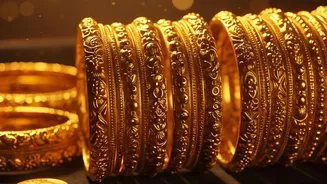
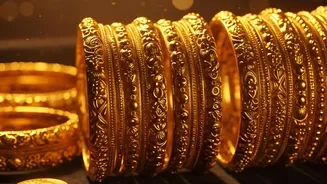
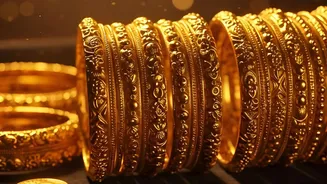
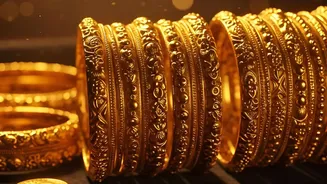
While coins win on nearly every financial metric, they lose out on one crucial aspect: utility. You cannot wear a gold coin to a wedding or pass down a gold bar as a family heirloom with the same emotional resonance as a piece of jewellery. Jewellery is a 'wearable investment'. It offers the joy of adornment and carries significant cultural and personal value that a coin stored in a locker cannot provide. For many, this blend of aesthetic pleasure and stored value is precisely the point of buying gold. The decision, therefore, isn't just about financial returns but also about personal enjoyment and tradition.