

More Than Just Greenery
Starting a balcony herb garden is about more than just adding a few plants to your apartment. It's a small step towards a more sustainable and healthy lifestyle. Growing your own herbs means you have constant access to fresh, flavourful ingredients free
from pesticides. This not only enhances your cooking but also provides numerous health benefits, as fresh herbs are packed with nutrients and essential oils often lost in store-bought varieties. The simple act of gardening can also be a significant stress-reducer, offering a moment of calm and a connection to nature amidst the bustle of city life. Plus, it's a practical way to save money and reduce your carbon footprint by eliminating the need for plastic-packaged herbs from the supermarket.
Your Starter Herb Toolkit
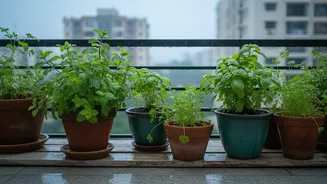
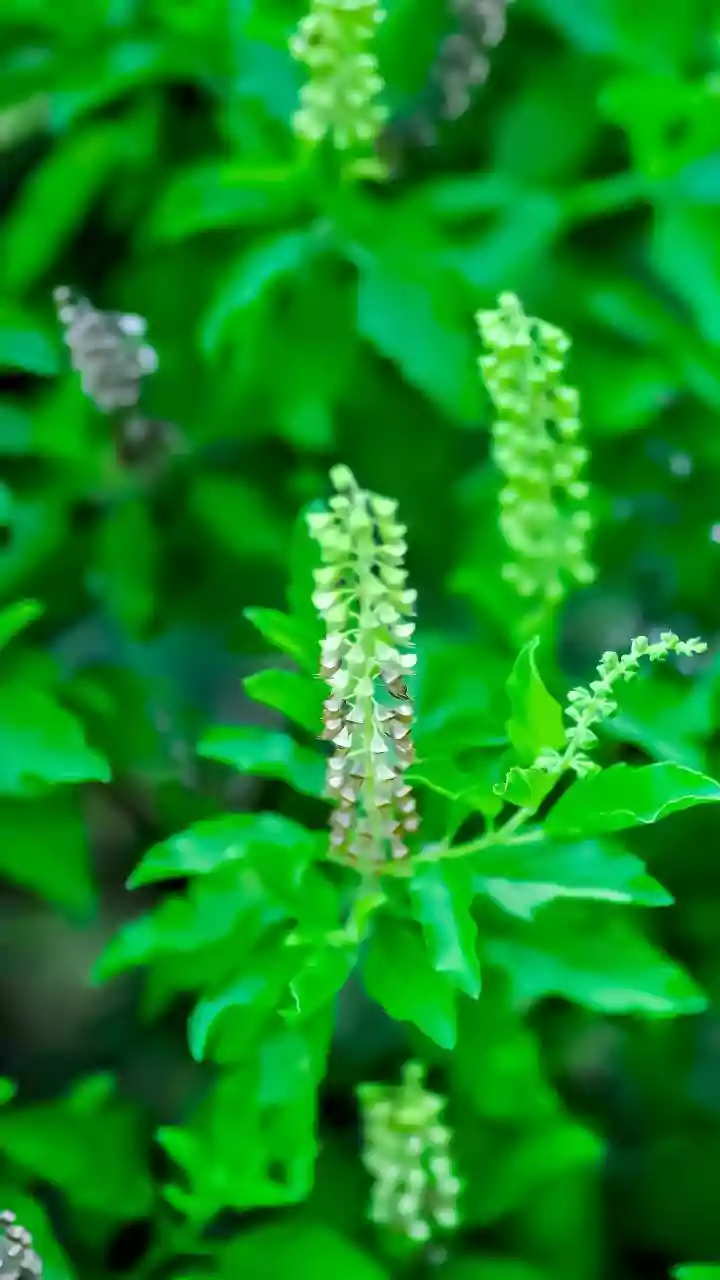
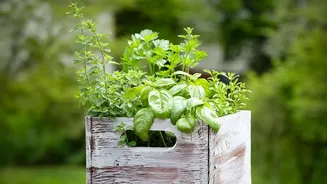
For those in India, the climate is ideal for a variety of flavourful and resilient herbs. Start with a few easy-to-grow options that are staples in Indian kitchens. Tulsi (Holy Basil) is a must-have; it's low-maintenance and revered for its medicinal properties. Mint (Pudina) grows vigorously, so it's best to keep it in its own pot to prevent it from taking over. Coriander (Dhania) is another essential, perfect for garnishing almost any dish. Curry Leaves (Kadi Patta) are a great long-term plant for any sunny balcony. Finally, Lemongrass is a hardy grass that thrives in containers, providing a fresh, citrusy aroma and flavour for teas and soups. These herbs are well-suited for container life and can handle the sunlight and heat typical of Indian balconies.
Setting Up for Success
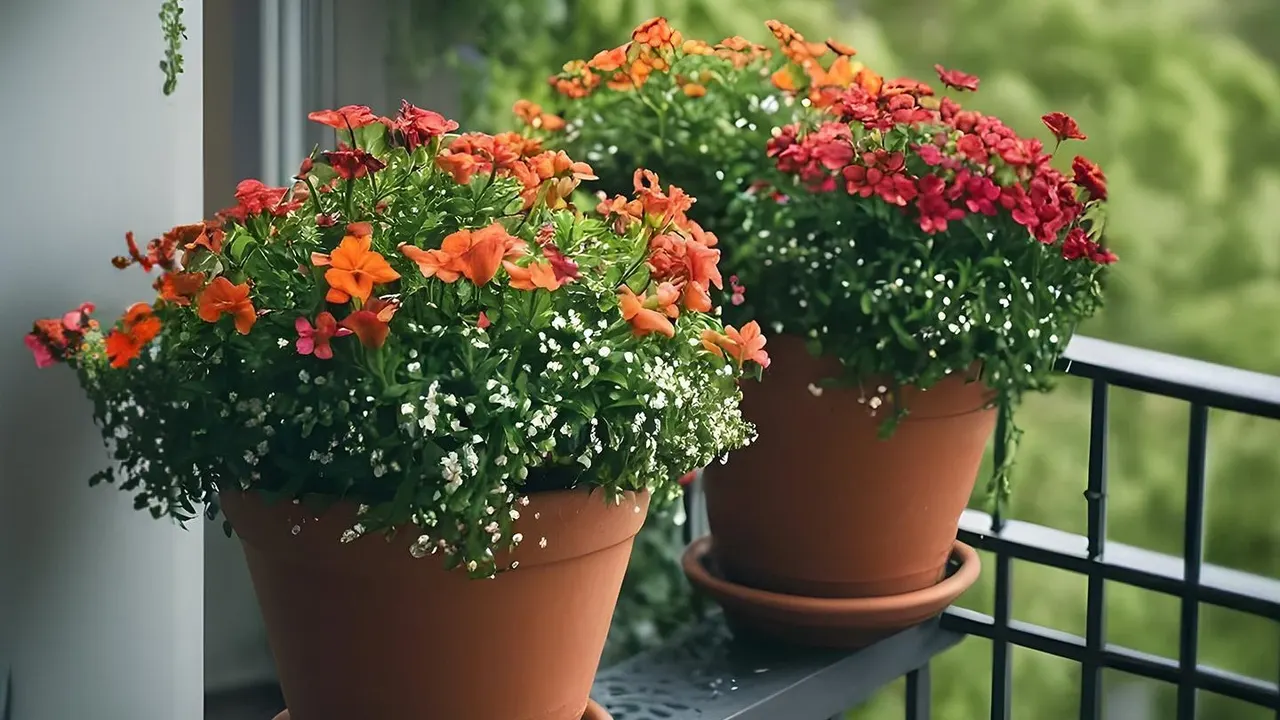
You don’t need a lot of space or fancy equipment to get started. The key is choosing the right pots, soil, and location. Terracotta pots are often recommended as they are breathable and help prevent waterlogging, but any container with drainage holes at the bottom will work. Good drainage is non-negotiable for herbs, as they dislike having 'wet feet'. Avoid using regular garden soil, which compacts easily in pots. Instead, opt for a light, well-draining potting mix. A good DIY blend consists of potting soil, compost for nutrients, and coco coir or perlite to improve drainage and retain moisture. Most herbs, including tulsi, curry leaves, and lemongrass, need at least five to six hours of direct sunlight per day, so find the sunniest spot on your balcony for them. Mint and coriander can tolerate partial shade.
The Art of Simple Care
Caring for your herb garden is straightforward. The most common mistake beginners make is overwatering. A simple rule is to stick your finger about an inch or two into the soil; if it feels dry, it's time to water. Water the soil directly, not the leaves, until you see excess water draining from the bottom of the pot. Since herbs in containers can't draw nutrients from the ground, they benefit from occasional feeding. You can use a liquid seaweed solution or a simple compost top-dressing every few weeks during the growing season to keep them healthy. Regular harvesting is also a part of care. Frequently snipping leaves encourages the plants to become bushier and more productive. For herbs like basil, pinching off the top sets of leaves helps prevent them from flowering and turning bitter.
From Balcony to Plate
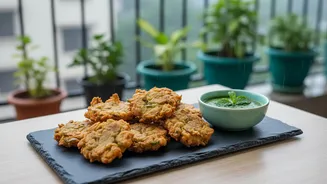
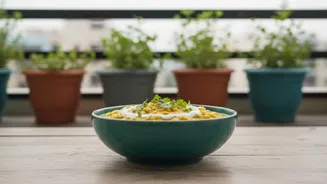
The ultimate reward of your balcony garden is using your harvest. The difference in taste between fresh-cut herbs and dried or store-bought versions is immense. A healthy diet doesn't have to be bland, and having a variety of fresh herbs on hand makes it easy to add vibrant flavour to everyday meals without extra calories or salt. Muddle fresh mint leaves for a refreshing drink, toss a handful of coriander into your dal, or brew a calming tea with tulsi and lemongrass. Experimenting with these flavours can transform your cooking. Your small green space becomes an extension of your kitchen, providing inspiration and fresh ingredients that contribute directly to healthier and more delicious home-cooked meals.