



What Exactly Is Ambali?
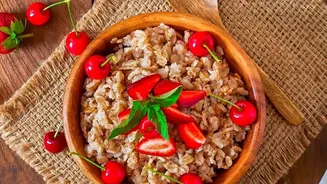
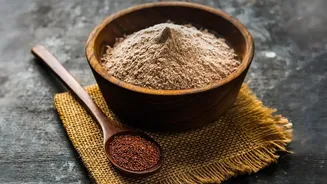
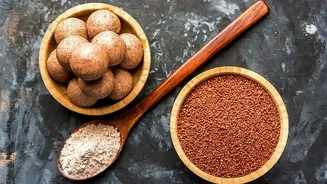
Ambali is a traditional porridge with roots in states like Karnataka, Andhra Pradesh, and Telangana. It is made from finger millet, popularly known as ragi, one of India's ancient grains. The process is simple yet transformative: ragi flour is mixed with water
and often a little cooked rice, then left to ferment for 12 to 24 hours. This natural fermentation gives the porridge a slightly sour, tangy taste and a thin, smooth consistency. Traditionally consumed as a cooling and hydrating drink, it can be served savoury with buttermilk, salt, and spices, or sweet with a touch of jaggery. This simple preparation method belies a complex nutritional profile, which is precisely why it's catching the eye of modern wellness experts.
A Nutritional Powerhouse Unleashed by Fermentation
Ragi on its own is a nutritional giant. It boasts the highest calcium content among all millets, making it excellent for bone health. It's also packed with dietary fibre, iron, potassium, and essential amino acids. However, the magic of Ambali lies in fermentation. This age-old process does more than just add flavour; it unlocks the full potential of the grain. Fermentation breaks down anti-nutrients like phytates, which can otherwise block the body's absorption of minerals like iron and zinc. More importantly, it populates the porridge with probiotics, the beneficial bacteria crucial for a healthy gut. A thriving gut microbiome is linked to improved digestion, a stronger immune system, and even better mental health.
The Gut Health and Gluten-Free Revolution
Two major shifts in urban dietary habits are fuelling Ambali’s rise. The first is the explosion of interest in gut health. Consumers are increasingly aware that a healthy digestive system is foundational to overall wellness. As a naturally probiotic-rich food, Ambali is a perfect fit. The second is the growing demand for gluten-free options. Ragi is naturally gluten-free, making Ambali a safe and nutritious choice for individuals with celiac disease or gluten sensitivity. Furthermore, finger millet has a low glycemic index, meaning it releases sugar into the bloodstream slowly. This helps in managing blood sugar levels, making it a valuable addition to diets for those with diabetes or looking for sustained energy release.
From Humble Farms to High-End Cafes
Chefs and wellness entrepreneurs in metropolitan areas are leading the charge, reintroducing this traditional food to a new generation. They are drawn to its impressive health credentials and its authentically Indian roots. Ambali is no longer just a farmer's breakfast; it's being positioned as a functional food. On city menus, you might find it presented as a 'probiotic gut-cooler' or a 'power-packed breakfast bowl', sometimes jazzed up with fresh fruit, seeds, and nuts. This modern makeover makes the traditional porridge more accessible and appealing to urban palates that are constantly seeking the next superfood, while also connecting them to a rich culinary heritage.
A Return to Sustainable, Ancestral Wisdom
The Ambali trend is part of a larger, more significant movement: the rediscovery and celebration of indigenous Indian foods. For years, wellness trends were often imported, but now there is a growing pride in the nutritional wisdom embedded in our own culinary traditions. Millets like ragi are not just healthy; they are also climate-resilient crops that require less water than wheat and rice, making them a sustainable choice for the future. By putting Ambali on the menu, cafes are not just serving a healthy dish; they are validating ancestral knowledge, supporting local farmers, and promoting a food system that is kinder to the planet. It represents a shift from chasing exotic superfoods to finding exceptional value in our own backyard.