


Understanding Pododermatitis
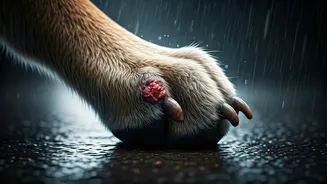
Pododermatitis isn't a disease itself, but rather a term for inflammation of the skin on the paws. It can make your dog's feet red, swollen, and itchy, often leading to excessive licking or chewing. In more severe cases, you might notice painful sores,
discharge, or even lameness. The condition is a sign that there's an underlying issue, which can range from allergies and infections to foreign bodies lodged in the paw.
Why Monsoon is a Problem for Paws
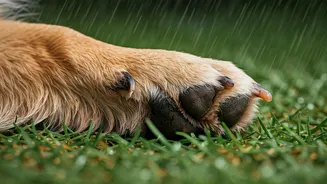
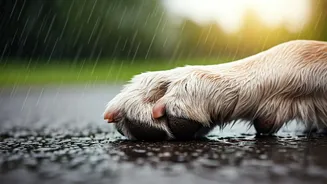
The monsoon creates a perfect storm for paw problems. The high humidity and constant contact with wet surfaces means your dog's paws rarely get a chance to dry out completely. This softens the paw pads, making them vulnerable to cuts and abrasions. Furthermore, muddy puddles and waterlogged streets become breeding grounds for bacteria and fungi. When your dog walks through these areas, these microorganisms can easily invade any small break in the skin, leading to infection and inflammation.
Key Symptoms to Watch For
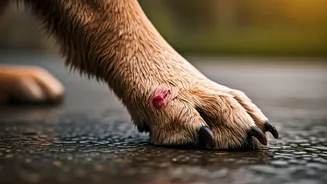
Vigilant pet owners can catch the early signs of pododermatitis before it becomes severe. Be on the lookout for any changes in your dog's behaviour or the appearance of their paws. Common warning signs include obsessive licking or chewing of the feet, redness and swelling between the toes, and a reluctance to walk or letting you touch their paws. You may also see blisters, nodules that might be discharging fluid, hair loss on the paws, or a foul, yeasty odour. Sometimes, the fur on light-coloured dogs can become stained a reddish-brown from their saliva.
Prevention: Your First Line of Defence
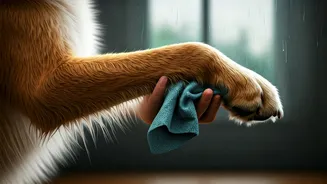
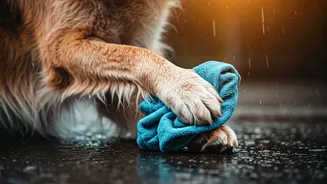
Prevention is the most effective strategy. The number one rule during monsoon is to keep your dog's paws clean and dry. After every single walk, take the time to wash their paws with lukewarm water and a pet-safe cleanser, then dry them thoroughly with a towel, paying special attention to the area between the toes. Trimming the hair between the paw pads can also help, as it prevents moisture and debris from getting trapped. Where possible, try to avoid walks through deep puddles or heavily waterlogged areas. For extra protection, you can consider waterproof pet booties, if your dog is comfortable wearing them.
At-Home Care for Mild Irritation
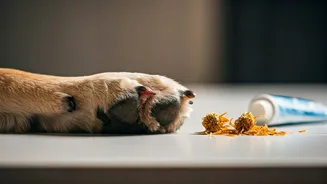
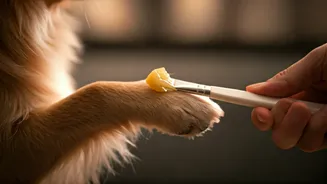
For very mild redness or irritation, some at-home care can provide relief. A soothing paw soak in warm water with Epsom salts can help reduce inflammation. Some vets also suggest diluted povidone-iodine or chlorhexidine solutions for cleaning. Applying a vet-approved paw balm can create a protective barrier and moisturise dry or cracked pads. However, it's crucial to remember that these remedies are for minor issues only. Never apply human creams or ointments unless specifically told to by your vet, as they can sometimes make the problem worse by trapping moisture.
When to Call the Veterinarian
While good hygiene can prevent many problems, pododermatitis often requires professional medical treatment to address the root cause. You should book a visit to the vet if you notice persistent limping, swelling that doesn't subside, open sores, or any pus or bleeding. If your dog is in visible pain or their obsessive licking isn't stopping, it's a clear sign that home care is not enough. A veterinarian will be able to perform the necessary tests to diagnose the underlying cause — be it a bacterial infection, a fungal issue, an allergy, or something else — and prescribe the correct course of antibiotics, antifungals, or other medications to resolve the issue.